

An Unprecedented Product Offensive
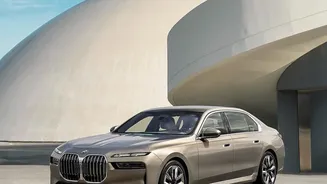
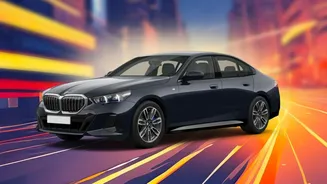
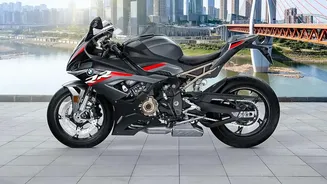
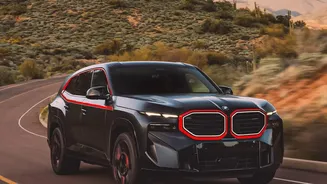
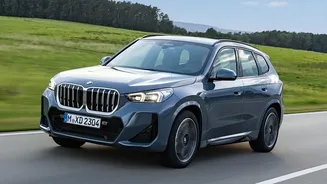
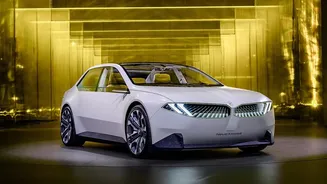
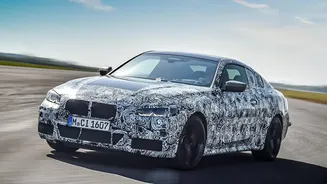
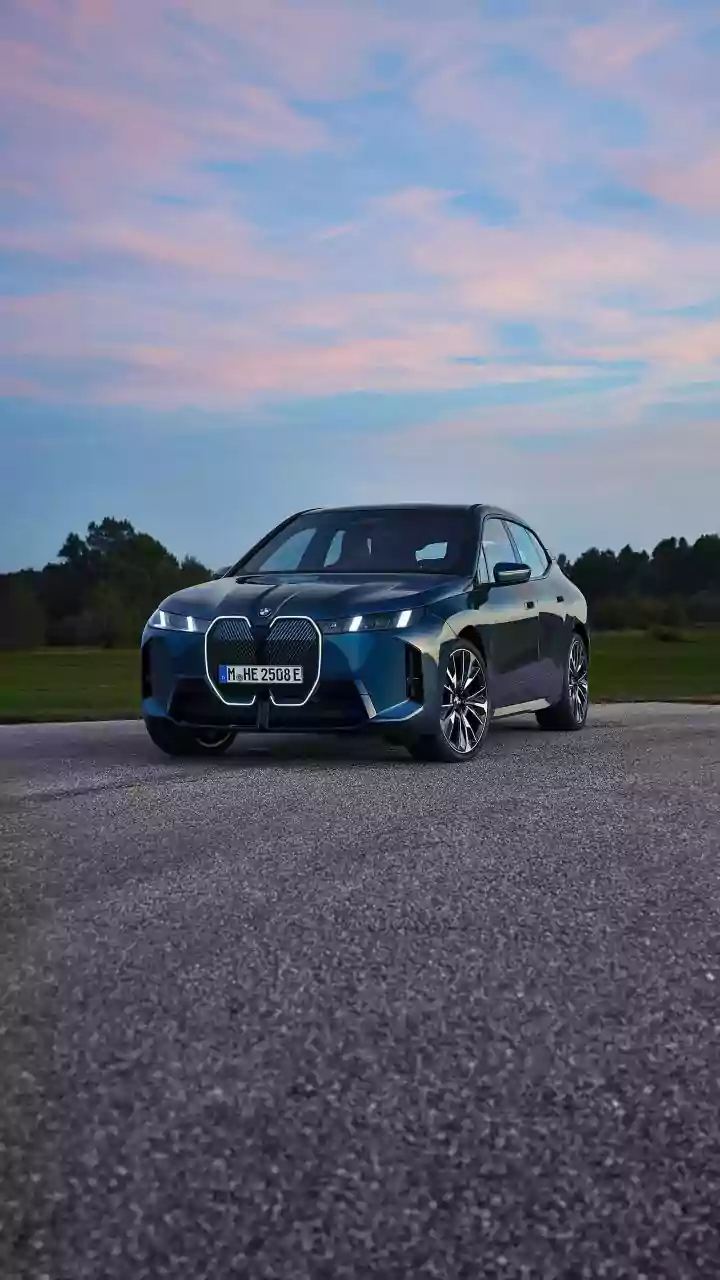
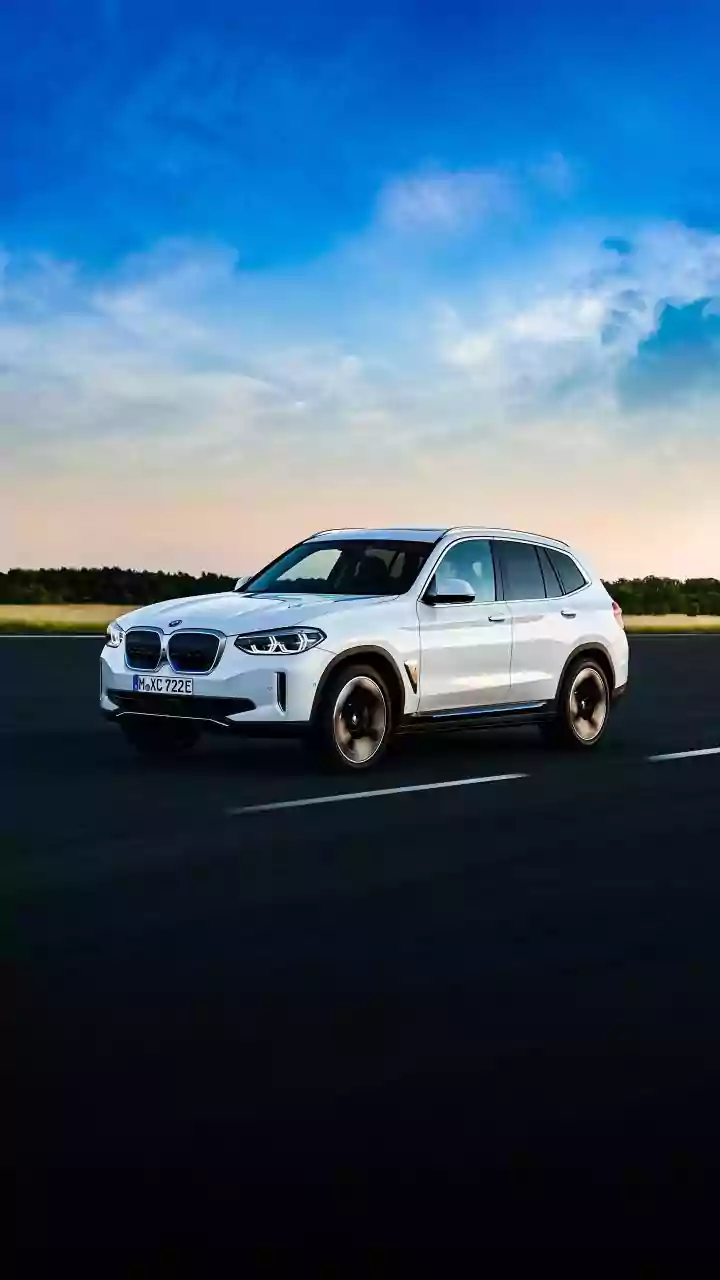
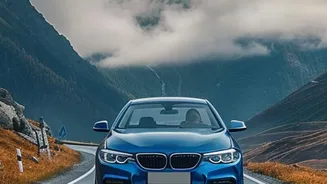
At the heart of BMW's strategy is a formidable product rollout. Having already introduced 11 new products earlier in the year to a strong response, the company is doubling down with 14 more launches scheduled before the end of 2026. According to BMW Group
India President and CEO, Hardeep Singh Brar, the models launched so far this year have all been sold out, validating the company's aggressive approach. This new wave of vehicles will span a wide range of categories, including luxury sedans, high-demand Sports Activity Vehicles (SAVs), performance-oriented M models, and, crucially, several new electric vehicles (EVs). This strategy, dubbed the 'Power of Choice', ensures that BMW has a compelling offering across petrol, diesel, and electric powertrains, catering to the diverse preferences of Indian luxury buyers.
The Competitive Edge in a Tight Race
This strategic expansion is not happening in a vacuum. It comes at a critical time when the competition in India's luxury car market is fiercer than ever. Recent data from the first half of 2026 shows BMW overtaking its arch-rival Mercedes-Benz in retail registrations for the first time in over a decade. According to Vahan registration data, BMW sold 10,043 vehicles between January and June 2026, securing a 38% market share, while Mercedes-Benz registered 9,472 units. This narrow lead highlights a significant shift in a market long dominated by Mercedes. BMW's success has been notably fueled by its strong EV portfolio, which accounts for a staggering 69% market share in the luxury EV segment, and its popular SUV lineup. With this new expansion, BMW is clearly aiming to not just maintain its lead but to solidify its position as the number one choice for luxury car buyers in India.
Beyond the Metros: The 50-City Push
A key pillar of BMW's growth plan is its focus on geographic expansion. The company aims to increase its retail network presence from the current 40 cities to 50 by the end of 2026. This push will see the brand entering emerging markets like Pondicherry, Mysore, Hubballi, Nashik, Jalandhar, Jodhpur, and Guwahati. This move reflects a broader trend in the Indian luxury market, where significant growth is now coming from outside the traditional metropolitan hubs. By establishing a presence in these Tier-2 and Tier-3 cities, BMW is strategically positioning itself to tap into new pockets of wealth and growing aspirations. The expansion aims to improve customer access to both sales and crucial after-sales support, making the brand more accessible to a wider audience.
Why This, Why Now?
BMW's confident strategy is a direct response to the immense potential of the Indian luxury market. Valued at over USD 1.5 billion in 2026, the market is projected to grow at a healthy compound annual rate over the next decade. Yet, luxury vehicles still account for just over 1% of total car sales in India, indicating a massive headroom for growth. This low penetration, combined with a rapidly expanding base of high-net-worth individuals (HNIs) and rising disposable incomes, makes India one of the most attractive luxury markets globally. BMW's focus on EVs is particularly timely, as the luxury EV segment in India is growing at nearly three times the rate of the mass market. By investing heavily in products and network expansion now, BMW is making a bold bet on the future of luxury mobility in India, aiming to capture the next wave of affluent consumers.