






The Foundation: Why Clean Water Matters
Water is the lifeblood of your garden, delivering vital nutrients from the soil to your plants. But not all water is created equal. The water that comes from our taps often contains chlorine and other chemicals designed to make it safe for consumption,
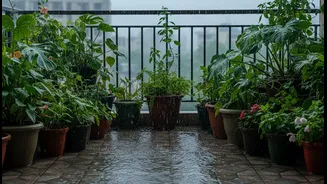
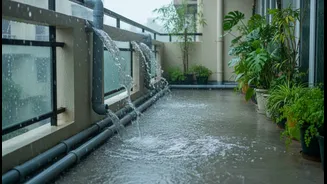
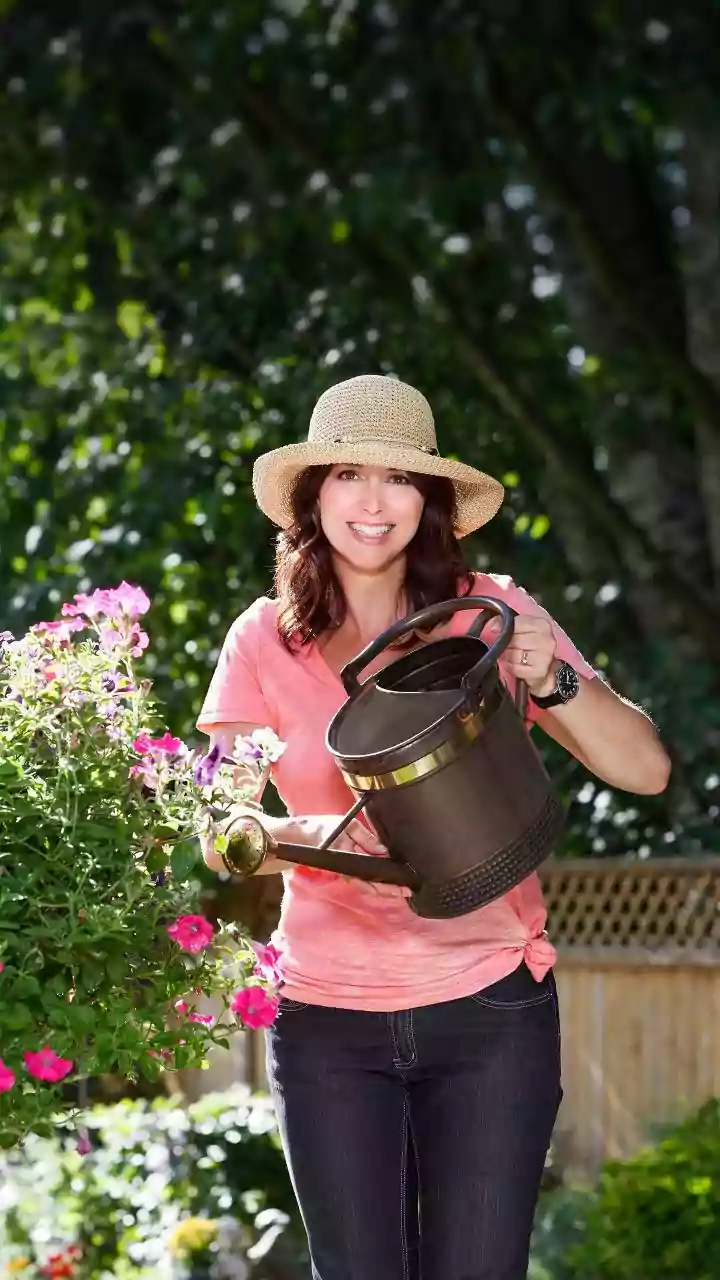
but these can be harsh on sensitive plant roots and beneficial soil microbes. Over time, this can affect plant health and even alter the taste of your homegrown produce. The solution is simple: let your tap water sit in an open container for at least 24 hours before using it. This allows most of the chlorine to evaporate naturally. For an even better alternative, consider collecting rainwater, which is naturally soft and free from additives, making it ideal for your edible plants. Paying attention to the quality of your water is a small step that pays huge dividends in the health and flavour of your harvest.
Potting with Purpose and Security
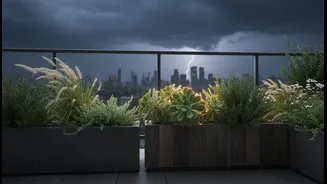
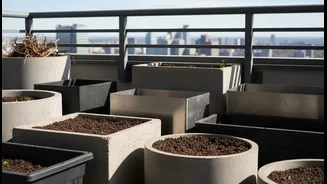
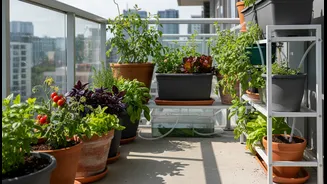
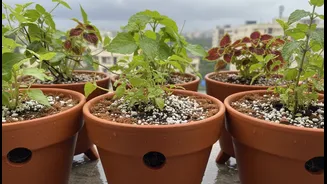
Choosing the right home for your plants is crucial. While aesthetics are important, function should be your priority. Ensure every pot is large enough for the plant's mature root system. Leafy greens like spinach and coriander can thrive in containers that are 6-8 inches deep, but fruiting plants like tomatoes and chillies need at least 10-12 inches of depth to flourish. More importantly, your pots must be secure. A balcony garden is exposed to wind, and a falling pot is a serious safety hazard. Opt for heavier containers made of stable materials, or add a layer of rocks at the bottom to weigh them down. For railings, use purpose-built planters or secure standard pots with strong ties. Grouping pots together can also increase their collective stability against the elements. A secure pot is not just a safety measure; it's a stable home that allows your plants to grow without disturbance.
The Unsung Hero: Clear Drainage
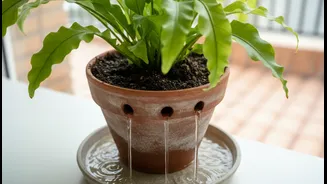
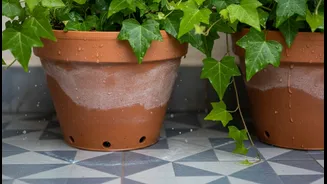
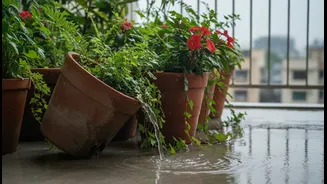
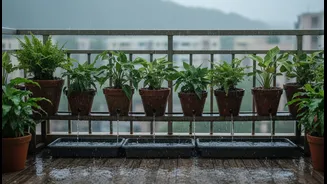
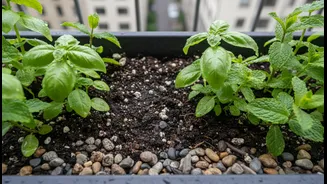
Perhaps the most common mistake in container gardening is improper drainage. Without a clear exit path, excess water pools at the bottom of the pot, suffocating the roots and leading to root rot—a fatal condition for most plants. Every container must have drainage holes. Before planting, ensure these holes are unobstructed. Using a quality, lightweight potting mix, rather than heavy garden soil, is essential for promoting good drainage and aeration in containers. To prevent water from staining your balcony floor or dripping onto neighbours below, place trays or saucers under each pot. However, do not let the pot sit in a saucer full of water for extended periods. A simple trick is to elevate the pot slightly with 'pot feet' or small pebbles within the saucer, allowing water to escape freely while catching the runoff. Proper drainage is the invisible key to preventing waterlogged soil and keeping your edible plants thriving.
Choosing Your Edible Champions
With the fundamentals in place, the fun begins. For an Indian balcony, certain plants are practically guaranteed to deliver rewarding harvests with minimal fuss. Start with essentials that grow quickly and are used frequently in the kitchen. Herbs like mint (pudina), coriander (dhania), and curry leaves are excellent choices. When it comes to vegetables, green chillies, spinach (palak), and cherry tomatoes are famously resilient and productive in containers. Many of these, like spinach and fenugreek (methi), can be ready for a partial harvest in as little as 20-30 days. Start with a few of these low-maintenance options to build your confidence. Observe how much direct sunlight your balcony receives—at least 4-6 hours is ideal for most vegetables—and choose your plants accordingly.