





The Allure of Heavy Metal
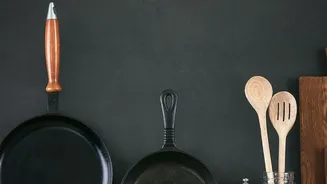
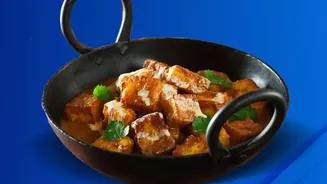
There's a reason chefs and home cooks swear by cast iron. Its primary advantage is superior heat retention. Once it gets hot, it stays hot, providing the consistent, powerful heat needed for a deep, flavourful crust on everything from steak to paneer.
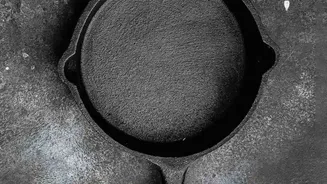
This quality also makes it fantastic for keeping food warm long after it's left the stove. Over time, with proper care, a cast-iron pan develops a natural non-stick surface called a seasoning, which is formed by layers of baked-on oil. This allows you to cook with less fat and without the synthetic chemicals found in many modern non-stick coatings. Furthermore, these pans are famously durable, often passed down through generations, and are versatile enough to go from the stovetop directly into the oven.
The Elephant in the Kitchen
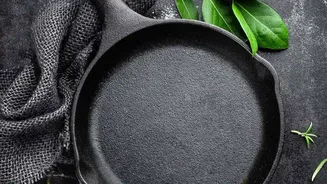
Now, let’s talk about the weight. This is the single biggest drawback and the central point of the headline's claim. A standard 10-inch cast-iron skillet can weigh around 2.3 kilograms (5 pounds), and a 12-inch model can easily exceed 3.6 kilograms (8 pounds). That’s before you even add any food. For comparison, a stainless steel or aluminum pan of the same size typically weighs half as much. This heft isn't just an inconvenience; it can be a genuine barrier. Lifting a heavy pan with one hand to plate food can be difficult and even risky for some, leading to wrist strain. Cleaning becomes a chore, as you have to manoeuvre a heavy, awkward object in the sink.
Is the Weight a Deal-Breaker?
Whether the weight is a manageable quirk or a complete deal-breaker is a personal decision. For some, the culinary benefits are so great that the weight is a worthy trade-off. If you have good upper body strength and don't suffer from joint pain or conditions like arthritis, you may find it perfectly manageable. However, for many others, it’s a legitimate obstacle. If you have limited strength, mobility issues, or simply prefer to toss and flip food with a flick of the wrist, a cast-iron pan might spend more time in the cupboard than on the stove. It’s crucial to be realistic about your physical comfort and daily cooking habits. A pan that you dread using is not a useful pan, no matter how well it sears.
Lighter Alternatives Worth Considering
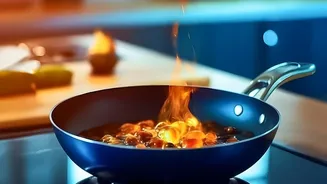
If the weight of cast iron is too much, but you still crave similar performance, you have excellent alternatives. The most direct competitor is the carbon steel pan. Made of a similar iron-and-carbon alloy, these pans are noticeably lighter and heat up much faster, offering more responsive temperature control. Like cast iron, they require seasoning to build a non-stick surface. Stainless steel is another versatile option; while it doesn't retain heat as well, it heats evenly and is much easier to handle and clean. Modern ceramic and other non-stick pans offer the ultimate convenience and are incredibly lightweight, perfect for delicate foods like eggs and fish, though they may lack the extreme searing power and longevity of iron-based cookware.
Making Peace With a Heavy Pan
If you’re committed to the cast-iron life, there are ways to manage its heft. First, consider a smaller size. An 8 or 10-inch skillet is significantly lighter than a 12-inch one and is often sufficient for daily meals. Always use two hands when lifting the pan, making use of the small helper handle found on most models. Instead of lifting it to move it on the stovetop, slide it. When serving, bring the plate to the pan and use a utensil to scoop the food out, rather than trying to tilt a heavy, hot pan with one hand. Finally, be mindful of its hot handle—since many are made from a single piece of metal, the handle gets just as hot as the pan itself, requiring an oven mitt or silicone sleeve for safe handling.