








Breaking Down the Boom
The numbers confirm the momentum. According to the Society of Indian Automobile Manufacturers (SIAM), passenger vehicle (PV) sales for the first quarter of the financial year (April-June 2026) rose by a remarkable 25.9% compared to the same period last
year, reaching a record high for the quarter. Data for June 2026 alone shows similarly strong performance, with retail sales climbing 28.63% year-on-year, according to the Federation of Automobile Dealers Associations (FADA). This translates to over 410,000 cars sold in a single month, marking the best June ever for the industry. This robust growth isn't just a fleeting spike; it signals a deep-seated demand and a resilient consumer base that is driving one of the economy's most crucial sectors forward.
The Unstoppable SUV Wave
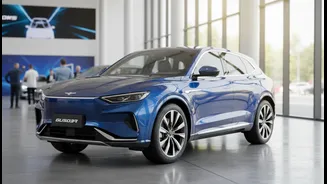
At the heart of this sales surge is India's unwavering love for Sport Utility Vehicles (SUVs). Utility vehicles, which include SUVs, have massively outperformed traditional passenger cars. For the April-June quarter, UV sales grew by 28.6%, while car sales grew by a still-healthy but slower 21.3%. This trend has been building for years, as buyers increasingly favour the higher ground clearance, commanding road presence, and versatile space that SUVs offer. Models in the sub-4 metre compact SUV space have been particularly popular, with brands like Tata and Mahindra dominating the charts. The Tata Punch and Nexon, for instance, have been leading sales, demonstrating how automakers who have invested heavily in their SUV portfolios are reaping the rewards. This shift isn't just about preference; it's a fundamental change in what the Indian consumer values in a personal vehicle.
Economic Tailwinds and Easy Financing
The auto industry's strong performance is also a reflection of broader economic stability. Factors like rising incomes, a positive employment outlook, and increased disposable income are giving consumers the confidence to make big-ticket purchases. Supportive government policies, including stable GST rates, have also helped maintain affordability. Furthermore, financial institutions have played a key role. Softer financing costs and the wide availability of car loans with accessible EMI options have made vehicle ownership more achievable for a larger segment of the population. This combination of economic confidence and readily available credit has created a fertile ground for the auto market to flourish, turning pent-up demand into actual sales on showroom floors.
The Green Transition Gathers Pace
While petrol and diesel models still form the bulk of sales, the growth in alternative fuels is a critical part of the story. For the first time, passenger vehicles powered by CNG, hybrids, and electricity crossed a combined 40% market share in retail sales in June 2026. The electric vehicle (EV) segment, though starting from a smaller base, is expanding at a phenomenal rate. EV sales in the first half of 2026 jumped by 79% year-on-year, driven by new model launches from major players like Tata Motors, Mahindra, and even new entrant Maruti Suzuki. This rapid adoption is fueled by a combination of government incentives, rising consumer awareness about running costs, and an expanding charging infrastructure. It's a clear sign that the future of mobility in India will be increasingly electric.
Bumps on the Road Ahead?
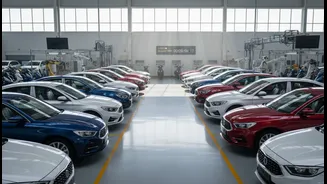
Despite the record-breaking sales, the industry is not without its challenges. Automakers remain cautiously optimistic, keeping a close watch on several factors that could potentially slow down the growth engine. The performance of the monsoon is critical, as it directly impacts rural sentiment and purchasing power, which has been a significant contributor to sales. There are also concerns about rising input costs for manufacturing, which could lead to further vehicle price hikes and affect affordability. Additionally, while sales have been strong, some dealerships have reported rising inventory levels, suggesting that production might be slightly outpacing immediate retail demand. Navigating these potential headwinds will be key for the industry to maintain its current momentum through the upcoming festive season and beyond.