






Raj Bhawan: A Glimpse of Gothic Grandeur
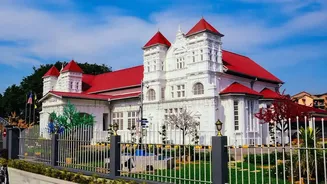
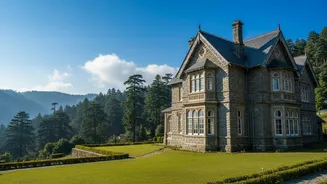
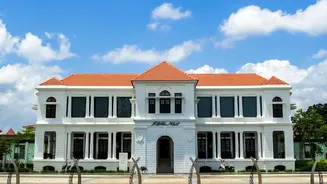
Modelled after Buckingham Palace, the Governor's House, or Raj Bhawan, is a stunning example of Victorian Gothic architecture. Built in 1899 as the summer residence for British governors, this sprawling estate is spread over 200 acres and includes a magnificent
18-hole golf course. While it remains the official residence of the Governor of Uttarakhand, parts of its 113 rooms and lush grounds are open to the public. A walk through its halls, crafted from local stone and teak, feels like stepping into a different era. Sarojini Naidu was its first Indian occupant after independence.
St. John in the Wilderness Church: A Serene Sanctuary
Established in 1844, this is one of the earliest buildings in Nainital. Tucked away in a quiet deodar forest in Mallital, this neo-Gothic church earned its name when the Bishop of Calcutta, Daniel Wilson, fell ill and had to stay in an unfinished hut in the woods while laying the church's foundation. The church is a place of serene beauty, known for its Belgian stained-glass windows. It also holds a sombre piece of history: a brass plaque on the altar memorialises the victims of the catastrophic 1880 landslide that devastated the town.
Gurney House: The Home of a Legend
For anyone fascinated by the tales of hunter-turned-conservationist Jim Corbett, Gurney House is a mandatory stop. This was Corbett's home until he left for Kenya in 1947. Built in 1881, the charming cottage on Ayarpatta Hill was constructed from the salvaged materials of an older house destroyed in the 1880 landslide. Now a private residence, the owners welcome visitors by appointment for a tour. Inside, you can see Corbett's personal belongings, including his fishing rod, books, and furniture, offering an intimate look into his life.
Nainital Yacht Club: Sailing Through History
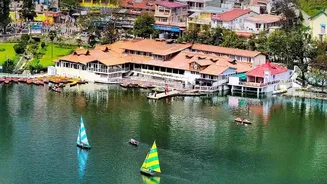
Perched on the edge of the Naini Lake, the Nainital Yacht Club (now part of the Boat House Club) is one of the highest yacht clubs in the world. Founded in 1910 by British officers, it became a hub for the colonial elite during Nainital's time as the summer capital of the United Provinces. The club introduced a special class of yacht, the 'Linton Hope Half-Rater', specifically designed for the lake's unique wind conditions. While it remains a members' club, its iconic lakeside building is a symbol of Nainital’s enduring connection to its leisurely past. Tourists can often hire yachts for a feel of the historic sport.
The Mall Road: A Stroll Through Colonial Life
More than just a busy shopping street, the Mall Road is a living museum of colonial-era architecture. This vibrant promenade was once the exclusive domain of the British and upper-class Indians, who would use it for their evening strolls. It was divided into the Upper and Lower Mall, with strict rules of etiquette. Today, a walk along the road reveals heritage buildings, old hotels, and storefronts that have stood for over a century. It connects Mallital (the head of the lake) and Tallital (the foot of the lake), serving as the town's main artery and a timeline of its development.
Balrampur House: A Royal Summer Palace
Once the summer palace of the Maharajas of Balrampur, this magnificent building is now a heritage hotel. Originally built in the 1890s, it was redesigned in the 1930s in the style of a French chateau by a European architect. Its location offers stunning views and its interiors are filled with period furniture, antiques, and wooden floors, preserving the regal ambience of a bygone era. Staying here or simply visiting gives you a taste of the princely lifestyle that co-existed with British colonial presence in the hills.
The Pines Old Cemetery: Echoes from the Past
A walk through The Pines, one of the earliest British cemeteries in the region, is a deeply moving experience. Established around the 1850s, its weathered gravestones tell the stories of early settlers, soldiers, and officials who made Nainital their home and final resting place. The cemetery holds the graves of victims from the 1880 landslide, a recurring theme in Nainital's history. Located in a peaceful pine forest, it offers a quiet and poignant connection to the individuals who shaped the town during the British Raj. This is a place for quiet reflection on the lives behind the history.