







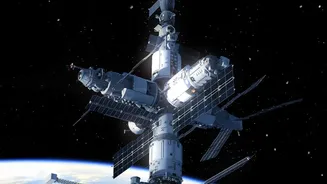
What Exactly is BAS-01?
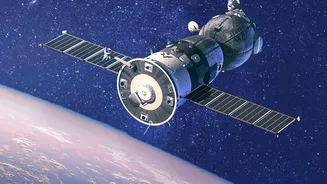
BAS-01 is the designated name for the first module of the Bharatiya Antariksha Station, India's answer to the International Space Station. This ambitious project aims to have a fully operational, five-module station in low-Earth orbit by 2035. Think of BAS-01 as
the foundational building block. Targeted for launch in 2028, this initial 10-tonne module will be placed in an orbit about 400-450 km above Earth. It is designed to be the core around which the rest of the station will be built, serving as a test bed for critical technologies and eventually housing crew quarters and initial research capabilities. This phased approach allows ISRO to build, test, and validate each component before committing to the full structure, a prudent strategy for a project of this magnitude.
The Crucial 'Baseline Work'
The term 'baseline work' might sound like preliminary paperwork, but in the context of space engineering, it's the most critical phase. Recent reports confirm that ISRO has completed the Baseline Design Review and system engineering for BAS-01, releasing 31 design documents that form the module's technical bible. This isn't just about drawing blueprints. It involves thousands of hours of simulation, material science research, and defining the intricate dance of all systems. It sets the standards for power consumption, data handling, thermal control, and structural integrity before a single component is manufactured. This phase is where potential failures are engineered out of the system on paper and in computers, saving immense time, money, and mitigating risk for the actual mission. It is the invisible, intellectual scaffolding upon which the entire station will rest.
The Core Systems Being Forged
The baseline design defines the very heart and brain of the future station. Key systems now moving into the subsystem design phase include the Environmental Control and Life Support System (ECLSS), which is essential for recycling air and water for the crew. It also includes power systems, likely involving advanced solar arrays and battery storage, and the avionics that form the station's nervous system—its flight computers and control mechanisms. A major focus is on indigenous development of docking technology, including the Bharat Docking System, which will allow future modules and crew vehicles like Gaganyaan to connect seamlessly. Prototypes for these systems, along with crew seats and viewports, are now in development to ensure India's self-reliance.
Building on the Gaganyaan Legacy
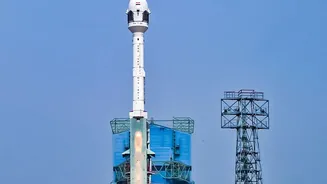
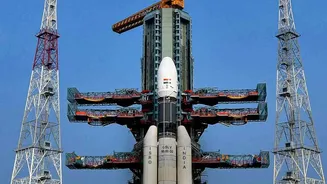
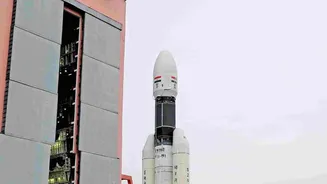
The BAS project is not being developed in a vacuum. It is the logical and ambitious successor to the Gaganyaan programme, India's first human spaceflight mission. The technologies proven in Gaganyaan—from the human-rated LVM3 launch vehicle to the crew escape system, life support, and recovery operations—are direct inputs for the space station. The experience gained in safely sending astronauts to orbit and bringing them back will be invaluable for operating a long-duration orbital outpost. In fact, the government has officially expanded the scope of the Gaganyaan programme to include the development of BAS-01, confirming the deep integration between the two national endeavours.
Why This Groundwork Matters Now
While the first launch is still years away, the work happening today at ISRO is what will ultimately dictate success. Completing the baseline design is a monumental engineering milestone. It signals that the project has moved from a conceptual vision to a concrete, manufacturable plan. This methodical approach de-risks the incredibly complex process of building a space station and ensures that all the interlocking systems—from power and life support to docking and communications—are designed to work in harmony from day one. This foundational stage, though far from the glamour of a rocket launch, is the hallmark of a mature space agency and the single most important factor in ensuring India achieves its goal of a sustained human presence in space.