






A Habitable Zone Super-Earth
Located approximately 49 light-years away, LHS 1140 b is what astronomers call a 'super-Earth'—a planet with a mass higher than Earth's but substantially below that of our solar system's ice giants. It is about 1.7 times the size of Earth and has a mass around
5.6 times greater. Since its discovery in 2017, it has been a tantalizing object of study because it orbits within the 'habitable zone' of its star. This is the not-too-hot, not-too-cold region where temperatures could theoretically allow liquid water to exist on a planet's surface, a crucial ingredient for life as we know it. The planet circles a small, cool red dwarf star, which is the most common type of star in our galaxy.
The Breakthrough Detection
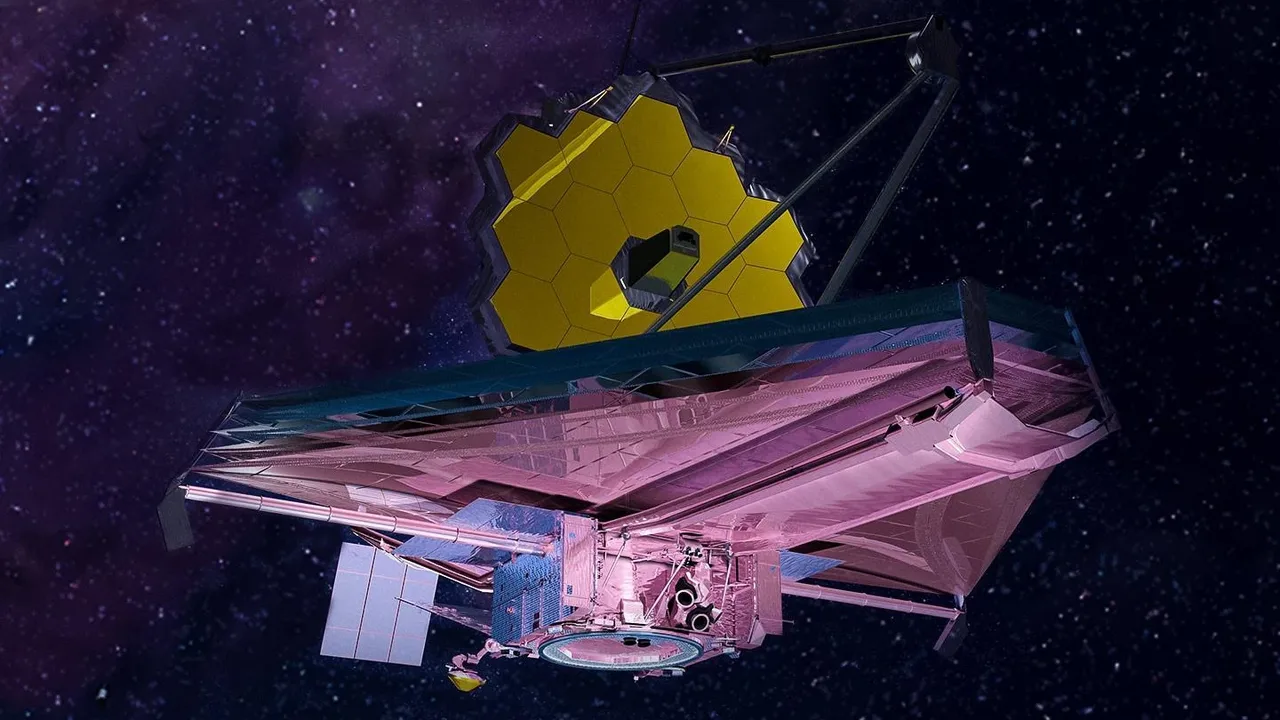
Until now, finding proof of an atmosphere on a rocky planet in a habitable zone has been a major technological hurdle. Many such worlds studied by telescopes like the James Webb Space Telescope (JWST) have turned out to be bare, airless rocks. The new breakthrough, published in the journal Science, comes from a team of scientists who used the Magellan Clay telescope in Chile. They detected helium gas escaping from the planet's upper layers into space. This 'atmospheric escape' is a natural process, also seen on planets like Earth, and its detection provides the first strong, direct evidence that LHS 1140 b has retained an atmosphere. The star system is estimated to be at least 3 billion years old, suggesting this atmosphere is not a fleeting phenomenon but a stable feature that has persisted over geological timescales.
Why This Atmosphere Matters
An atmosphere is essential for a planet's potential habitability. It provides a shield from harmful cosmic radiation, helps regulate climate, and, most importantly, creates the necessary pressure to keep water in a liquid state on the surface. Without an atmosphere, any surface water would either freeze into ice or boil away into space. The confirmation that a rocky world in the habitable zone can hold onto its atmosphere, especially around a volatile red dwarf star, is a massive step forward. It proves that the basic conditions for life could exist on planets orbiting the most numerous stars in the universe. This finding firmly places LHS 1140 b on a very short list of the most compelling targets for follow-up observations.
A Potential Water World
The details of LHS 1140 b's composition add another layer of intrigue. While it is a rocky world, refined measurements of its mass and radius suggest it has a lower density than a purely rocky planet of its size would. This indicates it might be an 'ocean world,' with a significant fraction of its mass—perhaps as much as 9-19%—composed of water. Previous observations with the Hubble Space Telescope had hinted at water vapor, and while JWST observations have ruled out a light, hydrogen-rich atmosphere, they support the idea of a denser atmosphere, possibly containing nitrogen, water vapor, and carbon dioxide. If confirmed, this would mean the planet has all three key ingredients for habitability: a rocky composition, a temperate location, and an atmosphere capable of supporting liquid water.
The Next Frontier: Searching for Life
While this discovery is monumental, scientists are quick to clarify that it is not evidence of life itself. However, it makes LHS 1140 b one of the best places to start looking for 'biosignatures'—gases like oxygen or methane that could indicate biological processes. The planet is a prime target for the ongoing Rocky Worlds program, a joint project using both the Hubble and James Webb space telescopes to study exoplanet atmospheres. Future observations will aim to analyze the composition of the atmosphere in detail, searching for the specific mix of gases that might point to a living world. The question is no longer just whether rocky planets can have atmospheres, but what those atmospheres are made of.