




The Promise of Plump Skin: Collagen Cocktails
Collagen is the protein that gives skin its firmness, and as we age, our natural production declines. Collagen drinks claim to replenish this loss, promising smoother, plumper skin. These drinks contain hydrolyzed collagen peptides, which are smaller
pieces of protein that are supposedly easier for the body to absorb. While some studies show modest improvements in skin hydration and elasticity, many dermatologists remain cautious. They point out that the body breaks down these peptides into amino acids, and there's no guarantee they will be used to build new collagen specifically in the skin. The benefits, if any, are likely subtle.
A Sip of Moisture: Hyaluronic Acid Hydrators
Hyaluronic acid (HA) is a superstar in topical skincare for its ability to hold moisture. The idea behind drinking it is to hydrate your skin from the inside out. The evidence for oral HA is more encouraging than for collagen. Several studies suggest that consuming HA supplements can increase skin moisture and may help reduce the appearance of dry skin and wrinkles. It appears the body can absorb it and distribute it to the skin, though the results are not as dramatic as targeted cosmetic procedures. Think of it as a potential boost to your skin's overall hydration level.
Your Defence Against Damage: Antioxidant Powerhouses
This category relies on well-established nutritional science. Antioxidants fight cellular damage from pollution, UV rays, and stress. You can drink your antioxidants in many forms, particularly through green tea and amla (Indian gooseberry) juice. Green tea is packed with protective compounds, while amla is one of nature's richest sources of Vitamin C, which is crucial for collagen production and skin brightness. The science here is solid: a diet rich in antioxidants benefits your overall health and, by extension, your skin.
The Biotin Boost: For Stronger Hair & Nails
Biotin (Vitamin B7) is heavily marketed for promoting strong hair and nails, often featured in liquid "beauty shots." Biotin does play a role in producing keratin, the main protein in hair. However, a biotin deficiency is extremely rare. For most people with a balanced diet, supplementing with extra biotin is unlikely to have a significant effect, as the body simply excretes the excess. Evidence suggests it may only help with hair growth if you are one of the few who are clinically deficient.
The Gut-Skin Connection: Probiotics and Kombucha
The idea that a healthy gut equals healthy skin—known as the gut-skin axis—is a major focus in modern dermatology. An imbalanced gut can lead to inflammation that may show up as acne or eczema. This is where probiotic drinks like kombucha, kefir, and traditional lassi come in. They introduce beneficial bacteria that can help calm inflammation systemically. While research is still identifying which specific probiotic strains best address which skin conditions, the general principle of supporting gut health for better skin is scientifically sound.
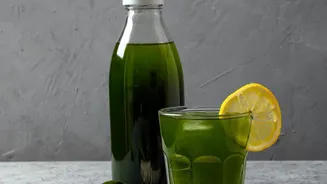
Going Green: The Chlorophyll Water Craze
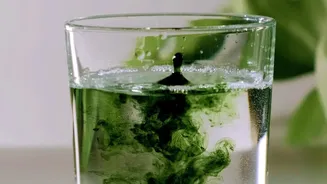
You've likely seen social media influencers adding green drops of liquid chlorophyll to their water, claiming it detoxifies the body and clears acne. Chlorophyll is the pigment that makes plants green and contains some vitamins and antioxidants. However, there is very little robust scientific evidence to support the dramatic skin-clearing claims made online. While generally safe, dermatologists note that the perceived benefits might simply come from increased water intake. You're likely better off eating leafy green vegetables like spinach, which provide chlorophyll along with fiber and other proven nutrients.
Ancient Wisdom in a Cup: Traditional Ayurvedic Elixirs
Long before the modern ingestible beauty trend, Ayurveda offered its own solutions. A classic example is Haldi Doodh (turmeric milk). Turmeric's active compound, curcumin, is a potent anti-inflammatory and antioxidant that can promote a bright, even skin tone. Other traditional drinks, like those made with amla, rose, or fennel, focus on cooling the body, aiding digestion, and purifying from within to reflect health on the outside. These time-tested recipes are a reminder that the concept of ingestible wellness is not new, just newly packaged.