





Meet the Mighty Pigeon Pea
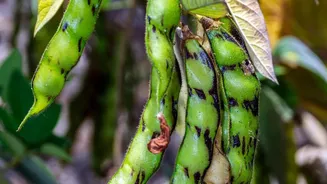
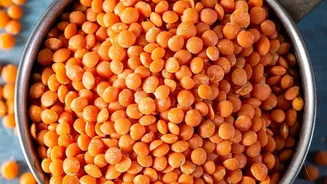
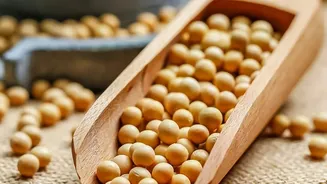
Known across India as 'arhar' or 'tur dal', the pigeon pea is a cornerstone of Indian cuisine and agriculture. This isn't just any pulse; it's a crop that has been cultivated for over 3,000 years, prized for its ability to thrive where other plants might
fail. Indigenous to the Indian subcontinent, it plays a vital role in the food security and income of countless smallholder farmers. From the comforting dal served in millions of homes to its use as animal feed, the pigeon pea is woven into the fabric of daily life, making it a perfect candidate to lead a revolution in sustainable eating and farming.
A Nutritional Powerhouse
Pigeon peas are a treasure trove of essential nutrients. They are an excellent source of plant-based protein, crucial in a country where a large part of the population is vegetarian. A single serving delivers a significant amount of dietary fibre, which aids digestion and helps in weight management. Furthermore, these legumes are rich in key minerals like potassium, which helps maintain blood pressure, and iron and folate, which are vital for preventing anaemia. Packed with B vitamins for energy metabolism, pigeon peas are more than just a food; they are a tool for building a healthier population.
The Climate-Resilient Crop
One of the pigeon pea's most remarkable traits is its resilience. This hardy plant is known for its tolerance to drought and ability to grow in hot, humid climates and low-fertility soils. As weather patterns become more unpredictable due to climate change, crops like the pigeon pea are becoming increasingly critical for food security. Its deep root system allows it to access water from lower soil layers, reducing the need for extensive irrigation. Scientists are now working to develop even more climate-resilient varieties that can withstand temperature fluctuations, securing its place as a future-proof crop for challenging environments.
A Gift to the Soil
The pigeon pea's benefits extend deep into the ground. Like other legumes, it has the unique ability to 'fix' atmospheric nitrogen in the soil. It forms a symbiotic relationship with soil bacteria, which create nodules on the plant's roots. These nodules act as tiny factories, converting nitrogen from the air into a form that plants can use as a natural fertiliser. This process enriches the soil, making it more fertile for subsequent crops and drastically reducing the need for synthetic nitrogen fertilisers, which can have a negative environmental impact.
Sustainable Farming in Practice
By enriching the soil and reducing the need for chemical inputs, pigeon peas are champions of sustainable agriculture. Farmers often use them in intercropping systems, planting them alongside other crops like maize. The pigeon pea provides nitrogen to its neighbours, improves soil structure, and helps prevent erosion. This diversification of crops enhances the overall resilience of the farm, protects biodiversity, and can lead to more stable incomes for farmers. Choosing pulses like the pigeon pea is a direct way for consumers to support a farming system that works with nature, not against it.