







A Major Policy Overhaul
The Delhi government recently approved its new EV Policy, which is set to be implemented from July 1, 2026, and will run until March 2030. This isn't just a minor update; it represents a significant structural reform in the city's transport sector. A
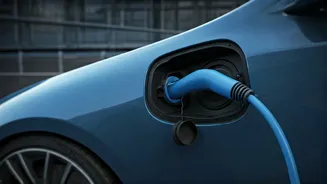
core focus of the policy is the aggressive expansion of charging infrastructure, which officials have called the foundation of the policy's success. The government plans to invest around ₹15,000 crore over the next four years to promote electric mobility, with a substantial portion dedicated to building out the charging network. This initiative also lays down a phased roadmap for the mandatory electrification of various vehicle fleets, including commercial transport, goods carriers, and school buses.
The 30,000-Point Target
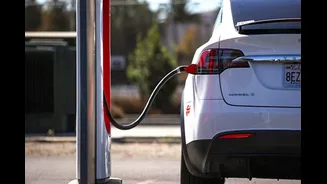
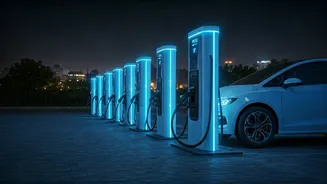
The centerpiece of the infrastructure push is the goal to install more than 30,000 new EV charging points across Delhi during the policy period. Some official discussions have even mentioned a target of 32,000 points by 2030. This is a massive jump from the current numbers. As of mid-2026, Delhi has over 10,000 charging points, a number that saw a record increase in the past year alone. However, this is still far below the estimated requirement. To manage this ambitious rollout, the government has set quarterly installation targets and appointed Delhi Transco Limited (DTL) as the nodal agency to monitor progress and ensure compliance. The required land for many of these new stations has already been identified, paving the way for large-scale development in the coming months.
Public-Private Collaboration
The government is not going it alone. A key strategy is to foster collaboration between public bodies and private companies. The city's three main power discoms—BRPL, BYPL, and TPDDL—have been instrumental in the recent expansion, installing over 1,600 charging points and swapping stations in the 2025-26 period alone. The Municipal Corporation of Delhi (MCD) is also playing a vital role by setting aside more land and inviting proposals from Public Sector Undertakings (PSUs) to develop integrated EV charging hubs, especially near major markets and in its parking facilities. By working with PSUs and other vendors, the city aims to quickly operationalise new facilities and address any bottlenecks that private players face.
Overcoming Significant Hurdles
Despite the strong policy push, expanding the charging network is not without its challenges. Experts point to a 'huge gap' in the current infrastructure, particularly in residential areas. The high initial cost of setting up stations, including land acquisition in a dense city like Delhi and expenses for grid upgrades, remains a significant barrier for private operators. Ensuring grid stability with the addition of thousands of new chargers, especially power-hungry fast chargers, is another major technical concern. Furthermore, issues like inconsistent power supply in some areas, the lack of standardised connectors for all vehicle models, and equipment maintenance can lead to charger downtime, frustrating users and impacting the reliability of the network.
What It Means for Delhi's Residents
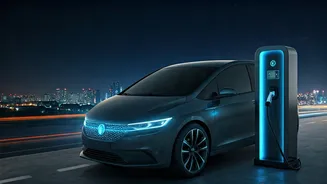
This massive infrastructure drive is designed to tackle one of the biggest deterrents for potential EV buyers: range anxiety. By making charging points as common as petrol pumps, the government hopes to make owning an EV more convenient and practical for everyone. The policy is coupled with significant purchase incentives for electric two-wheelers, three-wheelers, and commercial vehicles, along with scrappage benefits for older, polluting vehicles. The plan also mandates a complete shift to electric for new two-wheeler registrations from April 2028 and for auto-rickshaws from January 2027. For residents, this signals a clear, long-term commitment to a quieter, cleaner city, potentially reducing the chronic air pollution that plagues the capital.