






A Sweet Taste of India in Zero Gravity
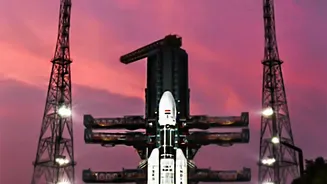
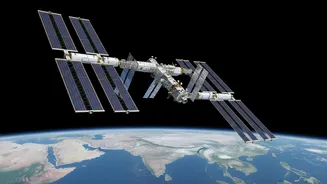
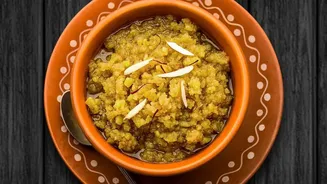
In what marks a proud moment for India, classic sweets including Gajar ka Halwa, Moong Dal Halwa, and Aamras were carried into orbit. The occasion was the recent Axiom-4 mission to the International Space Station (ISS), where Indian Air Force Group Captain
Shubhanshu Shukla joined an international crew. While a wide menu of Indian dishes has been in development, these three desserts were the first to pass the rigorous certification process in time for his flight. Shukla not only got to savour a taste of home millions of miles away but also shared these delicacies with his fellow astronauts, introducing the rich flavours of Indian festive food to a truly global audience in a non-terrestrial setting.
The Science Behind Space Halwa
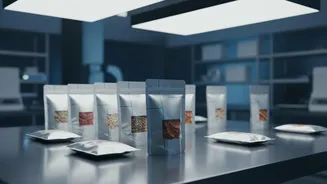
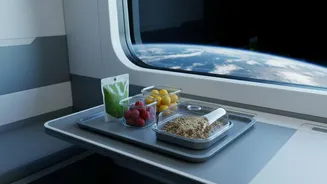
Sending food to space is far more complicated than just packing a tiffin box. The Mysuru-based Defence Food Research Laboratory (DFRL), a wing of the DRDO, is the mastermind behind this achievement. The lab, which has a long history of creating specialised foods for the armed forces, adapted these traditional recipes for the harsh environment of space. The process involves making the food lightweight, ensuring a long shelf life without refrigeration, and guaranteeing it can be consumed safely in microgravity. This means no crumbs or particles can float away and damage sensitive equipment. Techniques like dehydration and thermostabilization are used to preserve the food, which is then sealed in special multi-layered pouches, ready to be warmed and eaten.
More Than Just a Meal
The significance of having familiar food in space extends far beyond nutrition. For astronauts on long-duration missions, the psychological impact of isolation and the sterile environment can be immense. Comfort food acts as a powerful morale booster, providing an emotional connection to home and culture. According to space agencies worldwide, a good meal can combat stress, improve crew cohesion, and make the challenging experience of space travel more humane. The decision to send these specific sweets was also practical; getting approval for heavily spiced Indian dishes proved challenging, making these universally loved, non-spicy desserts the perfect candidates for the mission.
A Menu Fit for the Final Frontier
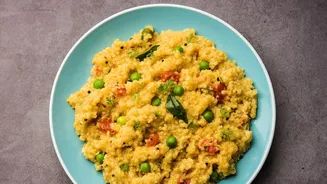
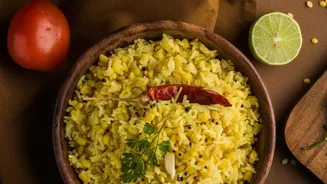
While the three sweets made the final cut for the Axiom-4 mission, the DFRL has been curating a much more extensive menu for India's own ambitious Gaganyaan mission. The prospective list includes savoury favourites like chicken biryani, vegetable pulav, idli with sambar, aloo parathas, and even tangy mango pickle. Each dish undergoes years of research and development to meet the stringent safety and nutritional standards required for spaceflight. This broader menu demonstrates a commitment to ensuring that when Indian astronauts embark on their own sovereign missions, they will have a diverse and comforting array of familiar foods to sustain them.
A Tradition of Culinary Innovation
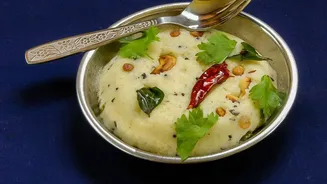
This is not the first time Indian food has travelled beyond Earth's atmosphere. The journey began in 1984 with Rakesh Sharma, the first Indian citizen in space. For his mission aboard a Soviet spacecraft, the very same DFRL prepared suji halwa, aloo chole, and vegetable pulao. This early effort established a legacy of Indian culinary science supporting space exploration. The recent inclusion of more complex desserts like Gajar and Moong Dal halwa showcases decades of progress in food processing technology. It represents another small but significant step in India's journey to becoming a self-reliant and major power in space exploration, paying attention to not just the hardware of rockets, but the human heart of the mission.