
A Sunset Spectacle Over Spain
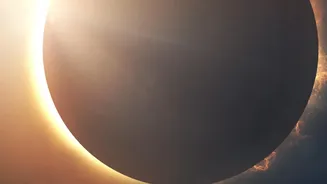
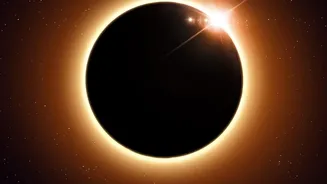
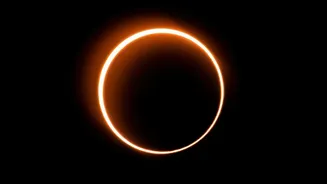
A total solar eclipse occurs when the Moon passes directly between the Earth and the Sun, casting a shadow that turns day into an eerie twilight. For the first time since 1905, the path of this total darkness, known as totality, will sweep across mainland
Spain. The shadow will travel from the northwestern coast of Galicia, across cities like Burgos and Zaragoza, before reaching the Balearic Islands in the Mediterranean. While a partial eclipse will be visible across most of Europe, only those within this relatively narrow band will witness the main event. What makes this eclipse exceptionally rare is its timing. The entire spectacle will unfold late in the day, with the Sun hanging low in the western sky, setting the stage for a truly once-in-a-lifetime celestial display.
The Science of a Double Twilight
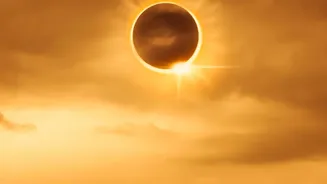
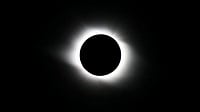
The most talked-about feature of Spain's 2026 eclipse is the “double twilight” or “double darkness” effect. This strange phenomenon is a direct consequence of the eclipse occurring just before sunset. Here’s how it will happen: First, as the Moon completely blocks the Sun, the sky will rapidly darken into a false twilight, a moment of 360-degree sunset colours along the horizon that is characteristic of totality. For just under two minutes, the Sun's magnificent corona will become visible. Then, as totality ends and the sliver of the Sun reappears, the sky will brighten. But this return to daylight will be incredibly brief. Because the Sun is already so low, it will proceed to set for the evening just minutes later, creating a second, natural twilight. Observers, particularly on Spain’s east coast and the Balearic Islands, will experience two distinct sunsets in a matter of minutes: one caused by the Moon, and the other by the Earth's rotation.
A Beautiful but Risky View
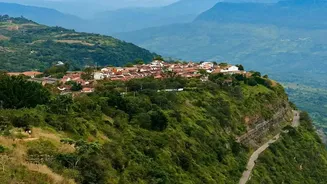
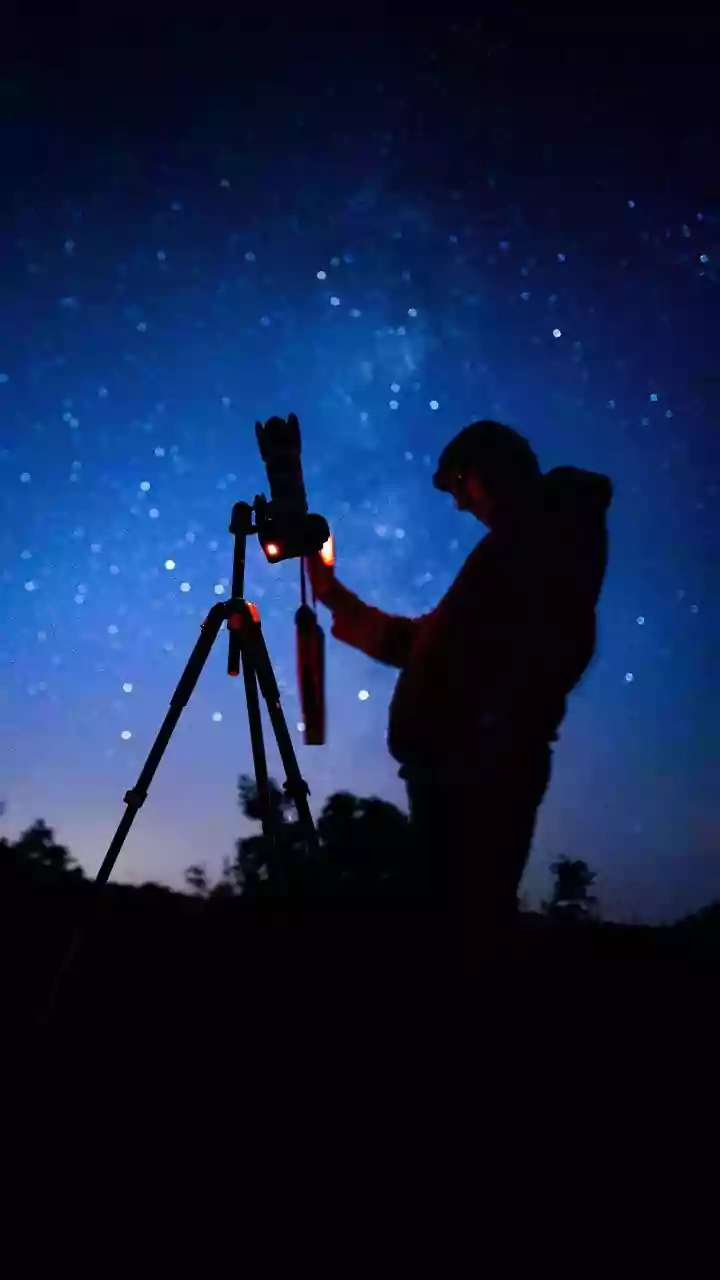
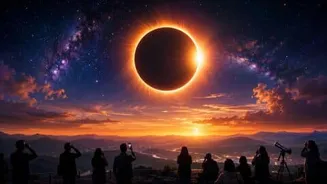
The very thing that makes this eclipse so special also makes it challenging to observe. With the Sun positioned just a few degrees above the horizon during totality, especially for viewers in eastern Spain, the slightest obstruction can ruin the view. Anyone hoping to witness the event will need a perfectly clear, flat vantage point looking west over the sea or a wide-open plain. Any hills, trees, or buildings could block the main event entirely. Meteorologists and veteran eclipse chasers have been meticulously mapping ideal locations that combine a high probability of clear summer skies with an unobstructed horizon. For those in the right spot at the right time, the sight of the solar corona shimmering over the horizon will be unforgettable. For others, the grand finale could be hidden behind a hill.
A Celestial Bonus: The Perseids
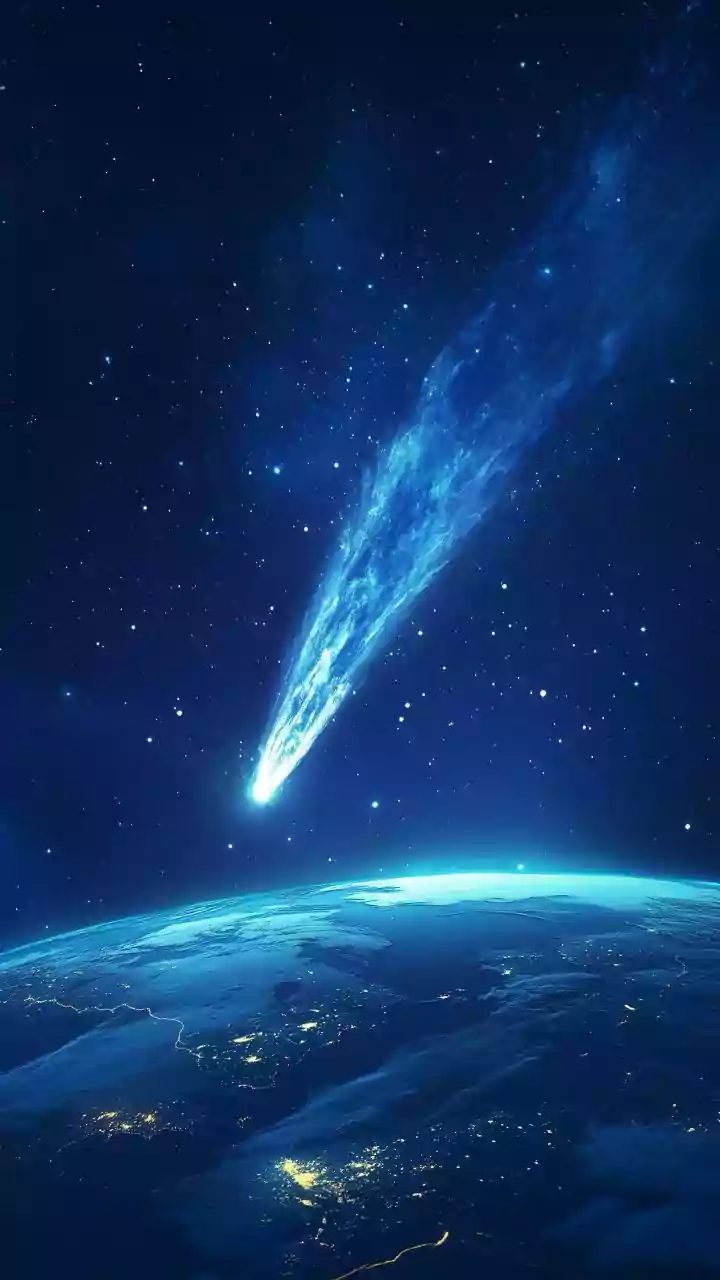
As if a sunset total eclipse wasn't enough, the cosmos has thrown in another treat. The eclipse falls on the peak night of the annual Perseid meteor shower. The New Moon responsible for the eclipse creates the darkest possible night sky, providing perfect conditions for watching for shooting stars once evening fully sets in. The Perseids are known for producing bright, fast-moving meteors, and with no moonlight to wash them out, the show on the night of August 12-13 is expected to be spectacular. Some lucky observers might even spot a bright meteor or two during the brief darkness of totality itself. The alignment of these two powerful celestial events turns an already historic eclipse into a truly extraordinary astronomical doubleheader.