



The Foundation of a Flawless Twist
The difference between a sleek, professional-looking twist style and one that appears frizzy or unravels quickly often comes down to one crucial step: clean parting. Creating crisp, well-defined sections is the foundation for success. When sections are
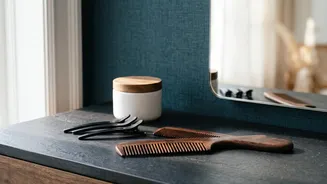
messy, the roots can begin to web and tangle as the style ages, making it look untidy and harder to manage. Taking the time to part your hair with a rat-tail comb ensures each twist has a solid, neat base. This not only elevates the final look but also helps the style last longer and makes takedown much easier. For an even cleaner appearance, a touch of styling gel or edge control applied to the root of each section can help gather any loose hairs before you begin twisting.
Secure As You Go for Longevity
A common frustration with twist styles is that they can loosen or unravel, especially at the roots or ends. The key to preventing this is to secure the hair as you work. This starts with maintaining firm, even tension as you create the twist from root to tip. Don't be afraid to start the twist over if one strand becomes thinner than the other. For flat twists, which are worked along the scalp like a cornrow, braiding the first inch at the root before transitioning into a twist can provide extra security and prevent the base from puffing up. Once a twist is complete, coiling the ends around your finger can help it stay sealed. Using clips to hold completed sections out of the way while you work on the rest of your hair also prevents tangles and keeps your parts clean.
Adapting the Technique for Hair Length
Hair length significantly influences the approach and outcome of a twist style. For those with shorter natural hair, achieving a good grip is essential. It may be easier to work with smaller sections to ensure you can control the hair and create a defined pattern. Styles like a flat twist updo or a twisted faux hawk work wonderfully on short hair. For medium to long hair, the challenge lies in managing the length and maintaining consistent tension. To avoid having the style look weighed down, focus on creating uniform twists. Longer hair offers incredible versatility, allowing for elegant low buns, ponytails, and intricate updos that showcase the beauty of the twists. For any length, starting on damp or stretched hair can make the process more manageable and result in a smoother finish.
How Hair Texture Impacts Your Twists
Your hair's unique texture plays a major role in how the final style will look and feel. Fine hair, for instance, can sometimes result in twists that lack volume. Using a mousse can help the hair puff up and give the twists more body and hold. For those with denser or coarser hair textures, which may be prone to dryness, it's crucial to use deeply moisturizing products. A creamy leave-in conditioner or a twist pudding can provide the necessary hydration and slip to create juicy, defined twists. Low-porosity hair, which can resist moisture, may benefit from applying products to damp, warm hair to help them penetrate the hair shaft. Conversely, high-porosity hair will need products that seal in moisture, like butters or oils, to prevent it from drying out and becoming frizzy.
Essential Products for a Polished Finish
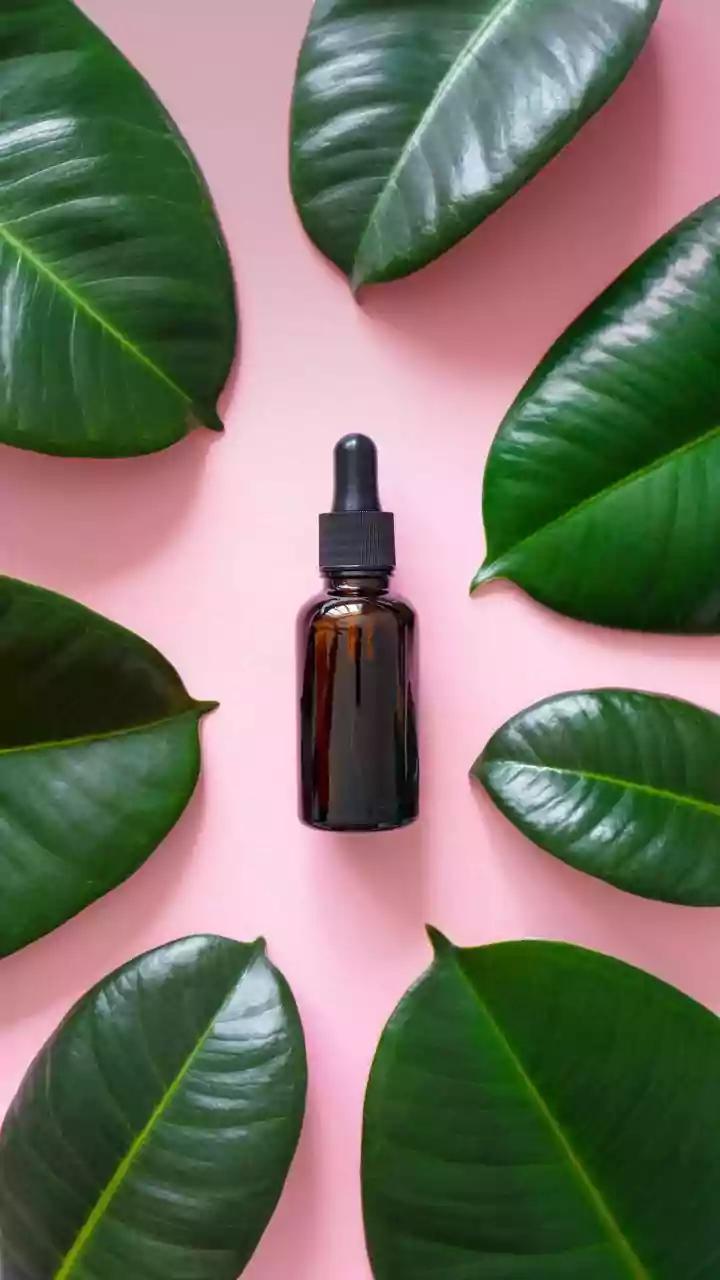
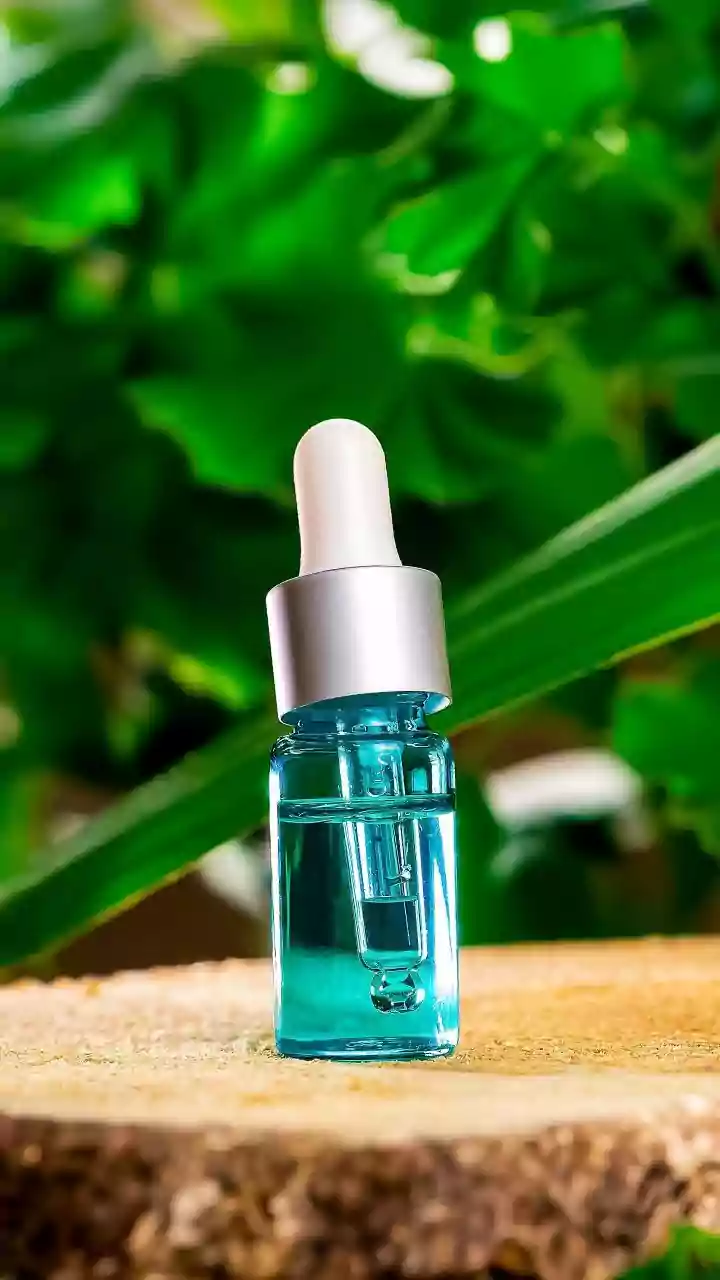
The right products are non-negotiable for a successful twist style. Start with a good foundation by ensuring your hair is clean and well-moisturized. A lightweight, water-based leave-in conditioner is a great first step to hydrate the strands. To create the twists, a styling cream, gel, or mousse will provide hold and definition. A styling gel or twisting cream often works well for providing definition and hold, while a mousse can be great for adding volume to finer textures. To tame flyaways and ensure your parts are sharp, an edge control or a firm-hold gel is invaluable. Finally, once your style is complete, a light oil can be used to add shine and seal in all the moisture you've worked so hard to apply.