




What is Astrotourism?
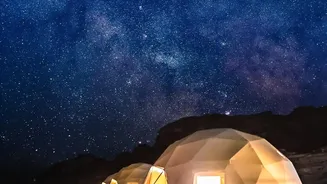
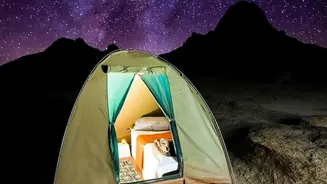
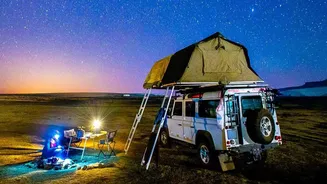
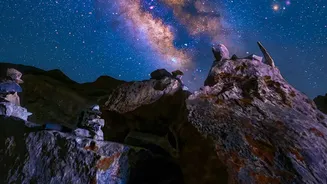
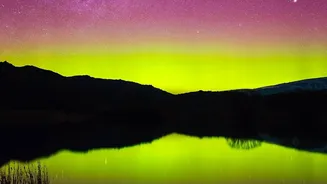
Astrotourism is travel for the purpose of stargazing and observing celestial events. It’s a form of nature-based tourism that seeks out locations with minimal light pollution to offer clear, dazzling views of the night sky. In a world where dark skies
are becoming a scarce resource, this niche is gaining popularity among travellers looking for unique and meaningful experiences. For India, with its vast, sparsely populated landscapes from the Himalayas to the deserts of Rajasthan, the potential is immense. This trend isn't just about looking through a telescope; it's about reconnecting with the universe and experiencing the profound silence of remote, beautiful places.
The Perfect Match: Homestays and Stargazing
Rural homestays are uniquely positioned to become the backbone of India’s astrotourism circuit. By their very nature, they are located in the exact kind of remote areas that offer pristine night skies. Unlike commercial hotels that can contribute to light pollution, homestays provide an authentic, low-impact base for celestial exploration. Staying in a local home allows travellers to immerse themselves in the region's culture, enjoying local cuisine and stories, some of which are woven around the stars themselves. This combination offers a holistic experience that goes beyond simple sightseeing, creating a direct economic channel to rural families and fostering a more sustainable model of tourism.
Lighting Up Rural Economies
The benefits of pairing homestays with astrotourism extend far beyond the traveller's experience. For rural communities, it provides a vital new stream of income, helping to diversify economies that may rely heavily on agriculture. It creates new roles, such as trained astronomy guides, hospitality providers, and cultural interpreters. Projects like 'Astrostays' have already demonstrated this model's success, training locals, including many women, to operate telescopes and host guests. This empowers communities, provides employment for young people, and helps conserve local culture and heritage, ensuring that the economic benefits of tourism are distributed equitably.
Pioneering the Dark Skies: Ladakh's Example
The prime example of this synergy is the Hanle Dark Sky Reserve in Ladakh, India's first officially designated region for dark sky preservation. Located in the high-altitude Changthang plateau, the area around the Indian Astronomical Observatory has minimal light pollution, offering some of the clearest skies in the world. Here, a science-driven initiative has involved the local community directly. Twenty-four villagers have been trained as 'Astronomy Ambassadors' and equipped with telescopes to guide tourists. Visitors stay in local homestays, adhering to strict light-control measures like using special curtains to preserve the darkness. This model shows how scientific research and community-led tourism can collaborate for mutual benefit.
The Road Ahead: Challenges and Opportunities
While the potential is clear, several challenges must be addressed for this concept to flourish nationwide. Key among them is the need for proper governance to control light pollution through enforceable policies. Training and capacity building for homestay owners and local guides are crucial to ensure a quality experience for tourists. Furthermore, improving basic infrastructure like road access and internet connectivity in remote areas is essential without disrupting the natural environment. Companies and social enterprises are already stepping in, setting up observatories and astro-camps in places like Uttarakhand, Spiti, and Rajasthan, often in partnership with local communities. These initiatives, coupled with government support, can pave the way for a vibrant, sustainable astrotourism ecosystem.