


A Unifying Ingredient
Across the Middle East and beyond, the chickpea, or garbanzo bean, is a cornerstone of the cuisine. Packed with protein and fibre, it’s a nutritious and satisfying staple that has been cultivated for centuries. While these three dishes—falafel, hummus,
and masabacha—all start with this same core ingredient, their final forms are a testament to the power of preparation. They share a similar flavour profile rooted in chickpeas, tahini, lemon, and garlic, yet they offer completely different sensory experiences, proving that texture is just as important as taste.
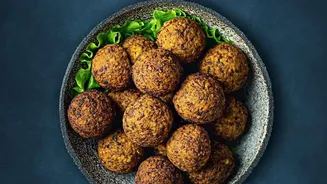
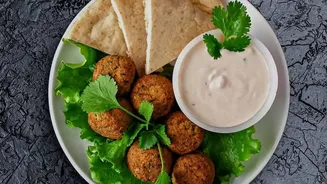
The Crispy Delight: Falafel
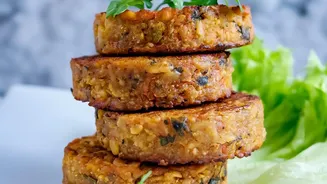
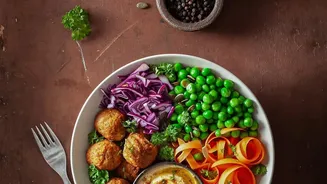
Falafel is perhaps the most dramatic transformation of the chickpea. To create it, dried chickpeas are soaked but not cooked, then ground into a coarse mixture with fresh herbs like parsley and coriander, onions, garlic, and spices. This mixture is formed into small balls or patties and deep-fried until golden brown. The result is a study in contrasts: a deeply crispy, crunchy exterior that gives way to a surprisingly light, fluffy, and tender interior. It’s a hearty, savoury snack often stuffed into pita bread, where its robust texture stands up beautifully against soft bread and creamy sauces.
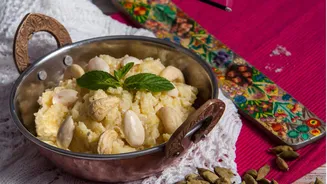
The Creamy Classic: Hummus
If falafel is all about crunch, hummus is the epitome of smoothness. For this iconic dip, chickpeas are cooked until they are very soft. The magic happens when these cooked chickpeas are blended into a purée with tahini (sesame paste), lemon juice, and garlic. The goal is to achieve a completely homogenized, silky, and creamy consistency. Some cooks even take the extra step of removing the skins from the boiled chickpeas to ensure an even smoother final product. Served as a dip or spread, hummus is luscious and rich, a comforting and velvety backdrop for everything from fresh pita to crisp vegetables.
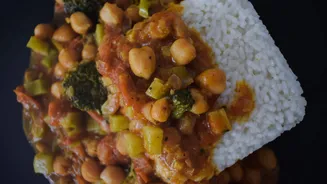
The Rustic Cousin: Masabacha
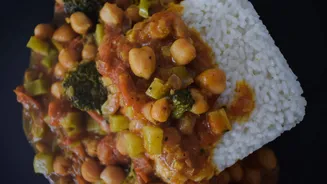
Masabacha, sometimes spelled msabbaha, exists in the delicious space between the other two. Often called a 'deconstructed hummus', it offers a more rustic, chunky experience. Unlike the smooth purée of hummus, masabacha keeps most of the chickpeas whole. These warm, tender chickpeas are lovingly tossed in a generous, often slightly thinner tahini-based sauce. The result is a dish that's heartier and more substantial than hummus, where you get the creamy flavour of the sauce combined with the satisfying bite and texture of whole chickpeas. It's less of a dip and more of a main event, often served warm for breakfast or brunch.
A Tale of Three Textures
Comparing the three side-by-side reveals the chickpea's true versatility. Falafel is dry-processed (soaked but uncooked) and fried, creating a crispy, grainy texture. Hummus is wet-processed (cooked and puréed), resulting in a uniform, creamy paste. Masabacha is a hybrid; it uses cooked chickpeas but keeps them whole, dressing them in a sauce that is itself a close relative of hummus. It showcases how the same basic ingredients can be manipulated to produce wildly different eating experiences. One is fried and crunchy, one is smooth and dip-able, and one is a chunky, spoonable dish. Each honours the chickpea while presenting it in a unique textural light.