
The Allure of the Past
Minimalist design, with its neutral palettes and clean surfaces, provides a perfect canvas. But a canvas is meant to be painted. Vintage patterns—from Art Deco geometrics to intricate florals—add a layer of personality and history that modern, mass-produced
items often lack. These designs tell a story, transforming a room from a sterile box into a space that feels curated and deeply personal. They introduce visual interest and texture, preventing a neutral room from feeling flat or one-dimensional.
Start Small with Accent Pieces
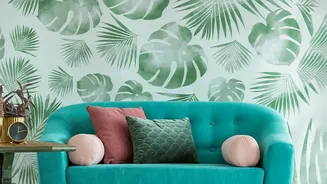
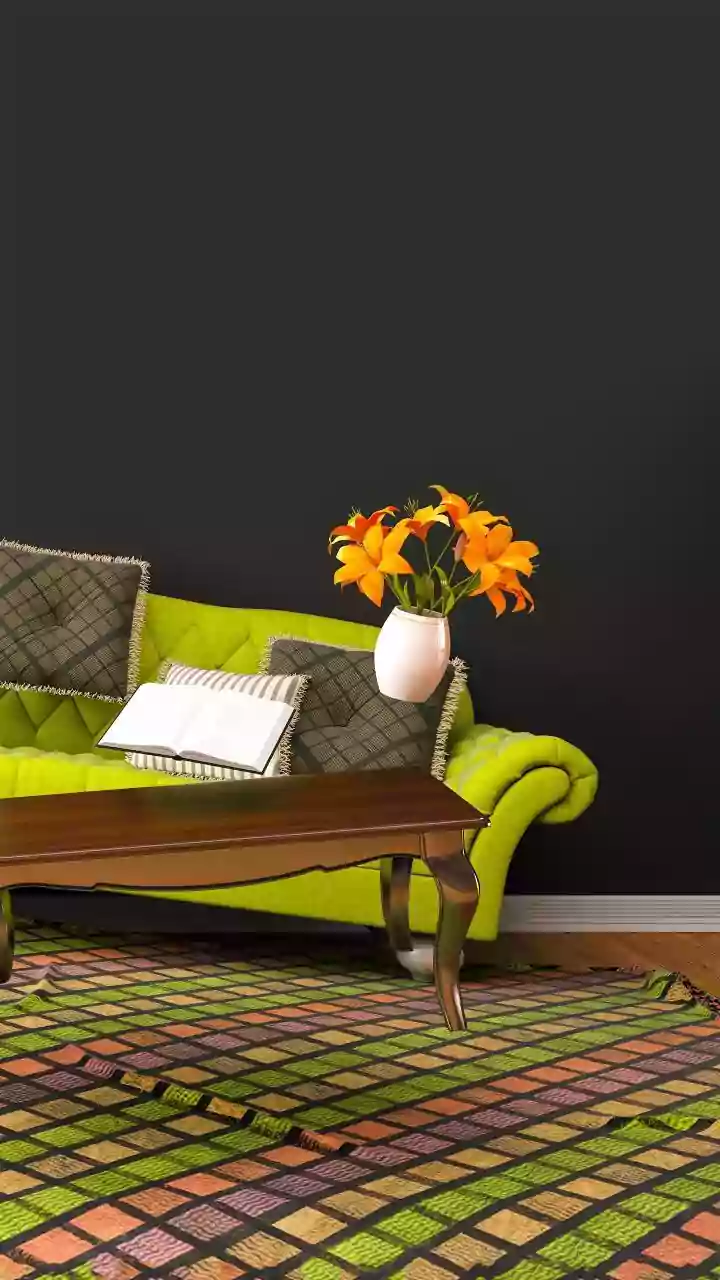
Introducing pattern doesn't require a complete overhaul. The most effective way to start is with small, low-commitment accents. Think of a pair of throw pillows with a bold geometric print on a solid-coloured sofa, or a vintage ceramic vase on a sleek, modern console. These small touches act as focal points, drawing the eye and injecting personality without overwhelming the room's serene atmosphere. A vintage rug can also serve to define a space, adding warmth and pattern underfoot.
Choose a Pattern, Find a Connection
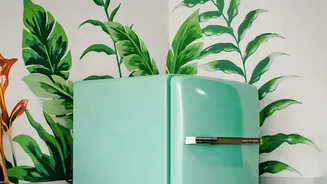
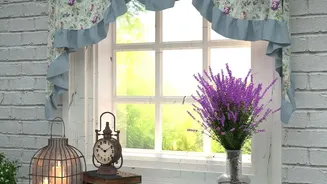
To ensure a cohesive look, it's wise to connect patterns through a shared element, most often colour. Pick a hero pattern—perhaps a large-scale botanical print for your curtains—and pull a secondary colour from it to use in smaller, simpler patterns elsewhere, like striped cushions or a textured throw. This 'pattern bridging' ensures harmony. Another pro tip is to vary the scale: pair a large, bold print with a smaller, more subtle one to create a dynamic yet balanced visual hierarchy. This prevents patterns from competing and creating visual noise.
Exploring Different Vintage Eras
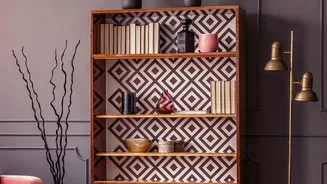
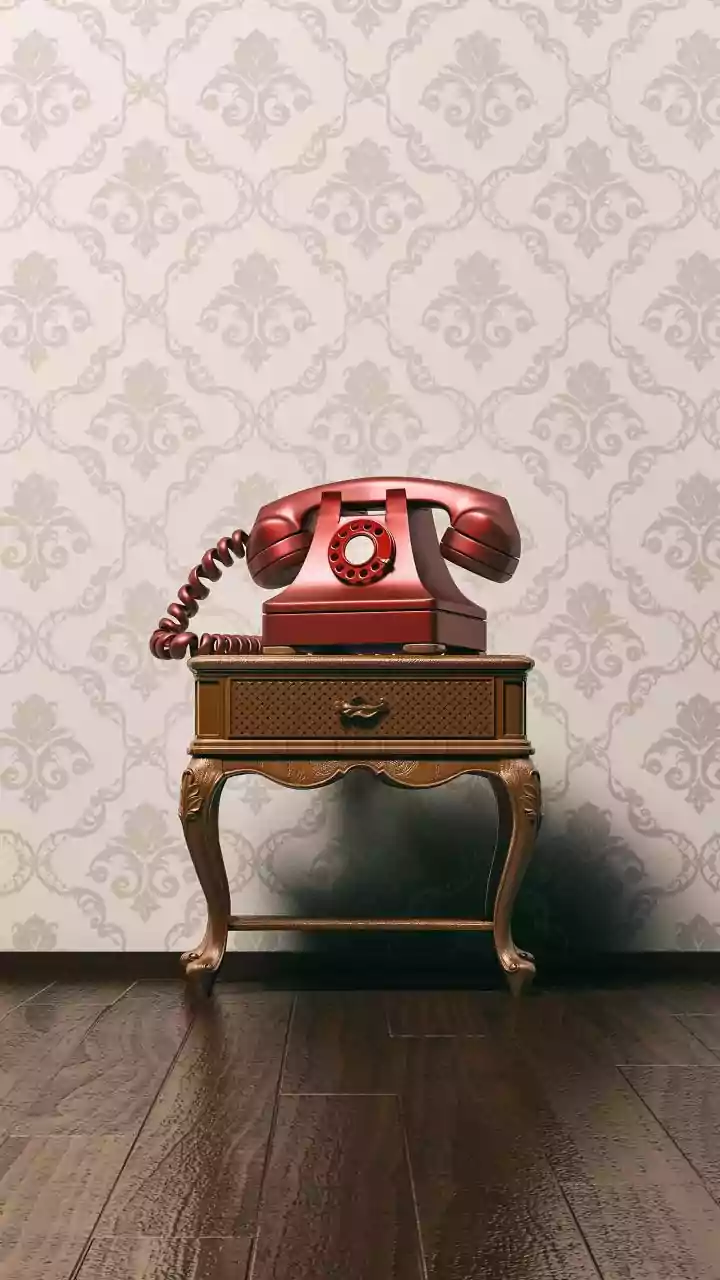
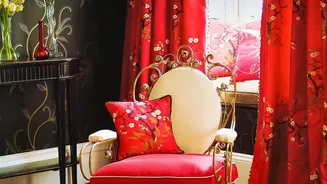
The term 'vintage' covers a wide range of styles, each with a distinct mood. Art Deco, popular in the 1920s and 30s, is known for its luxurious feel, featuring rich jewel tones, metallic finishes, and bold geometric shapes like sunbursts. Mid-Century Modern patterns from the 50s and 60s often use more abstract, organic shapes and earthy colour palettes. For a softer touch, Victorian-era florals or classic damask prints can add a sense of timeless elegance. Choosing an era that resonates with you can provide a clear direction for your decor choices.
Let It Breathe: The Importance of Negative Space
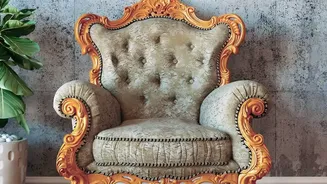
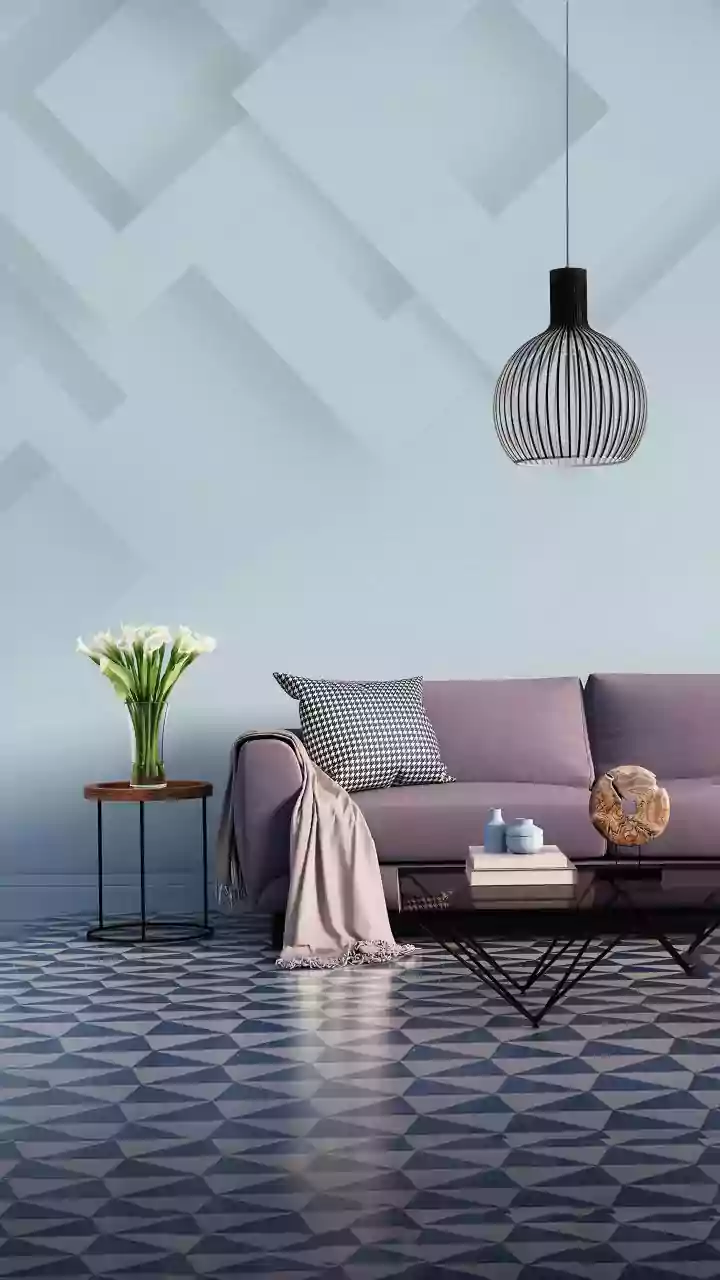
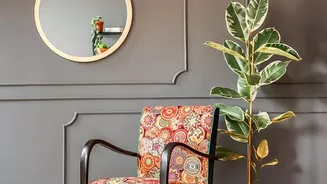
The key to making vintage patterns work in a minimalist setting is balance. Your neutral walls, floors, and large furniture pieces provide the 'negative space' that allows your chosen patterns to shine. Without this breathing room, even the most beautiful vintage piece can contribute to a feeling of clutter. Don't feel the need to fill every surface. A single, statement antique chair with patterned upholstery has more impact in a simple room than a dozen competing items. Modern anchor pieces, like a simple sofa or a clean-lined coffee table, act as a calming foundation for your vintage finds.