







The Old Story: Relying on Home-Packed Meals
For generations, the soundtrack of a train journey preparation was the sizzle of puris and the scent of aloo sabzi being packed into steel tiffins. This tradition was born out of necessity. The quality of food available from train pantry cars or station
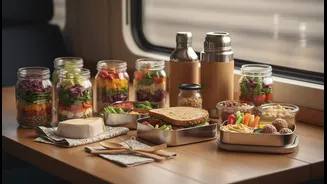
vendors was often a gamble, with hygiene being a primary concern. Horror stories of stale or contaminated food were common, leading to widespread mistrust. The default plan for any family undertaking a long journey was to pack enough home-cooked food to last at least the first 24 hours. This meant carrying bulky containers and dealing with the risk of spills and spoilage, especially in warmer weather. While comforting, this approach also meant limited variety and the challenge of keeping food fresh over several days.
What Changed the Conversation?
Several factors have transformed how passengers approach food on trains. Increased passenger awareness, amplified by social media, has put a spotlight on poor quality and hygiene, forcing accountability. Incidents of food poisoning now get widespread attention, prompting regulatory action. In response, the Food Safety and Standards Authority of India (FSSAI) has tightened regulations for railway catering, mandating licenses and conducting audits to enforce hygiene standards. Concurrently, the rise of technology has been a game-changer. The expansion of IRCTC’s official e-catering service and partnerships with food-tech giants like Swiggy and Zomato have introduced an entirely new paradigm for train dining.
The New Plan: Ordering with Confidence
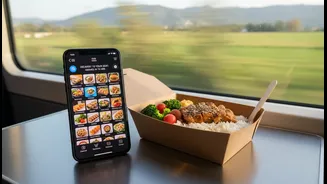
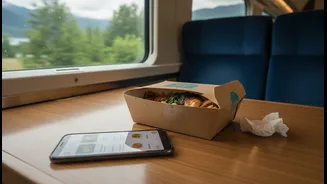
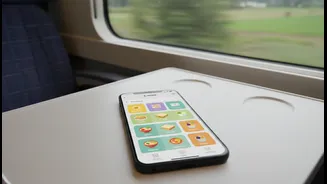
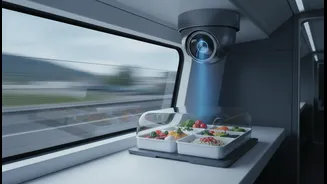
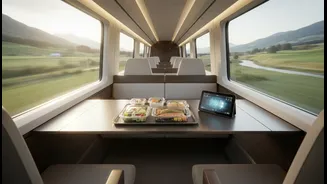
Today, passengers are no longer limited to the pantry car menu. Using official apps, travellers can pre-book meals from a wide array of FSSAI-licensed restaurants located in cities along their route. These meals are delivered directly to their seats at designated stations. Recent reports from July 2026 show a massive increase in the use of these services, with platforms like Swiggy expanding to over 180 cities and seeing a threefold growth in train-food orders. This shift offers unprecedented variety, from regional specialities to popular fast-food chains, and allows passengers to check restaurant ratings and reviews before ordering. This digital ecosystem provides a layer of transparency and accountability that was previously missing.
Navigating the New Options Safely
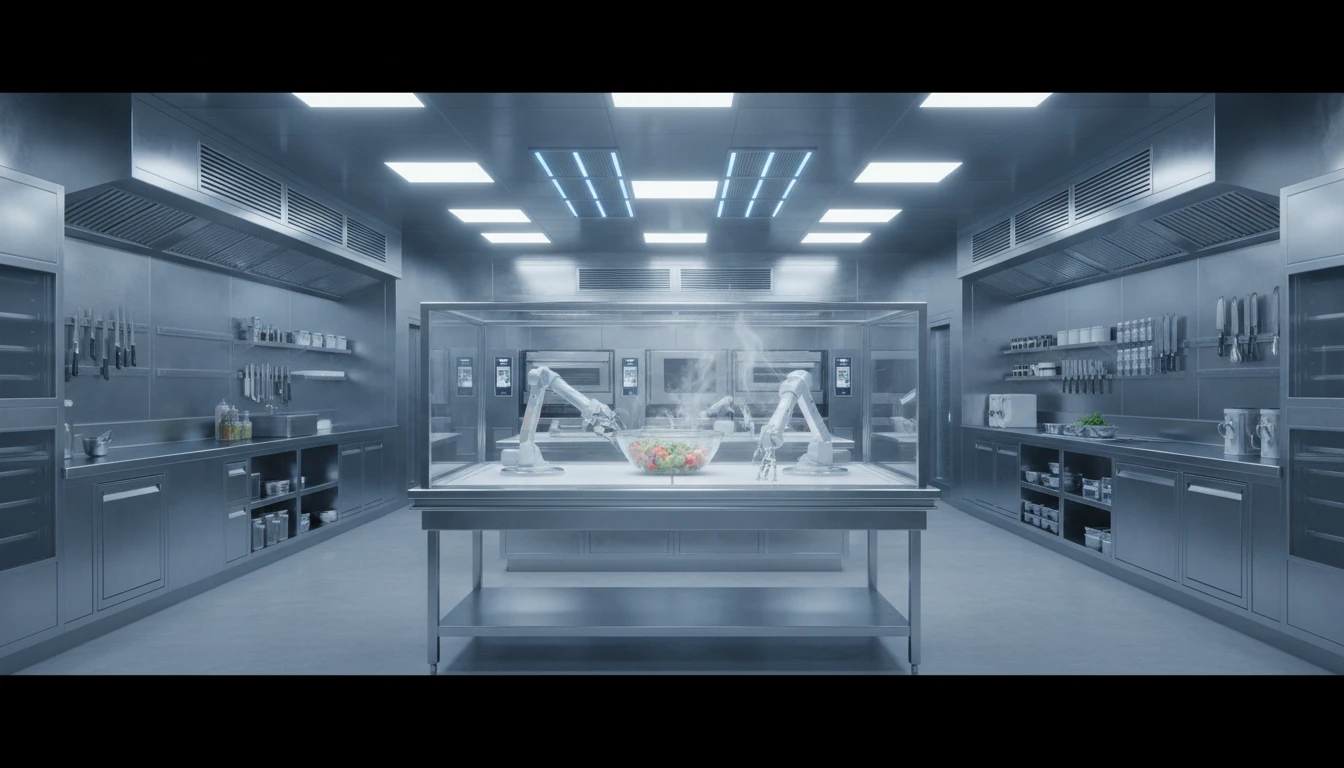
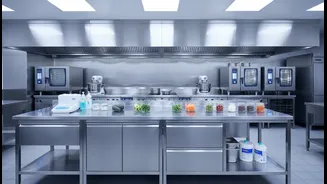
While technology offers convenience, it's crucial to be discerning. In June 2026, IRCTC initiated a crackdown on 14 unauthorized e-catering websites that were operating without proper licenses, posing risks to both food safety and data security. Passengers are strongly advised to use only the official IRCTC e-catering website, the 'Food on Track' app, or verified partners like Swiggy and Zomato to place orders. These authorized platforms ensure that the food is sourced from regulated kitchens that comply with hygiene protocols. Choosing hot, freshly prepared meals remains a golden rule for safety, whether ordering online or buying from a station vendor.
Smart Packing Still Has Its Place
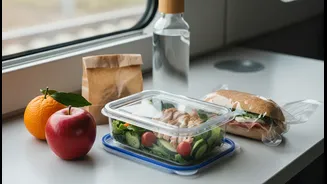
The rise of e-catering doesn't mean you should abandon your snack bag entirely. Delays can happen, and having backups is always a wise strategy. However, the focus of home-packed food has shifted. Instead of full, perishable meals, the modern approach is to pack durable, low-moisture snacks. Think dry fruits, nuts, energy bars, roasted chickpeas, and theplas, which have a long shelf life and are easy to eat on the go. Always carry your own sealed water bottles from trusted brands. For any food you do pack, using high-quality, leak-proof containers is essential to avoid spills and keep food fresh.