





The Science of Unstable Summits
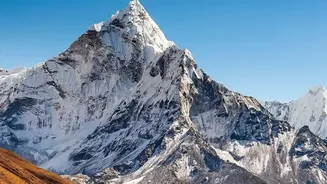
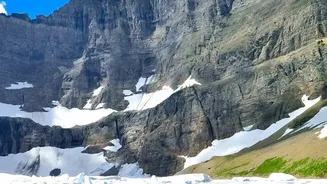
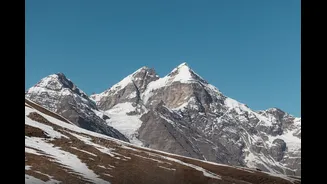
The core of the issue lies high up in the mountains, far from the flooded valleys. The Hindu Kush Himalaya region is warming at a rate faster than the global average. This intense heat is causing two critical changes. Firstly, it thaws permafrost, the frozen
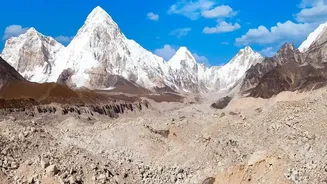
soil and rock that acts like a cement holding steep mountain slopes together. As this 'glue' melts, the slopes become far more prone to collapse, leading to massive landslides of rock and debris. Secondly, the heat is accelerating the melting of glaciers at an unprecedented rate. Studies from organisations like the International Centre for Integrated Mountain Development (ICIMOD) show glaciers in the region disappeared 65% faster in the last decade compared to the one before.
From Ice to Catastrophic Flood
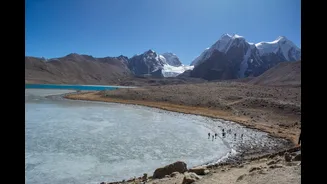
This accelerated melting creates a new and potent danger: Glacial Lake Outburst Floods, or GLOFs. As glaciers shrink, they leave behind vast quantities of meltwater that collect to form new, and often very large, lakes. These lakes are frequently dammed by nothing more than unstable mounds of rock and debris left behind by the retreating glacier, known as a moraine. These natural dams are weak and can fail with little warning. A rockfall, an avalanche, or even the sheer pressure of the growing lake can cause the dam to burst. The result is a GLOF—a sudden, terrifying wall of water, mud, and boulders that scours everything in its path as it hurtles downstream.
Nepal on the Himalayan Frontline
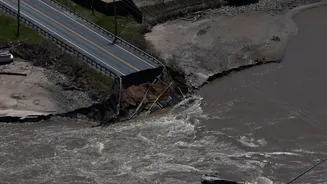
Nepal's geography places it directly in the path of this emerging threat. The country is home to thousands of glaciers and glacial lakes, with studies identifying hundreds as potentially dangerous. Recent catastrophic floods in the country, which have claimed thousands of lives and caused billions in damages, have been linked by scientists to this very phenomenon of mountain instability. A recent analysis by the World Weather Attribution group concluded that human-caused climate change was a likely factor that 'preconditioned' a Himalayan slope for a disastrous collapse, which triggered a massive flood. For a country like Nepal, which contributes minimally to global emissions, it is paying a disproportionately high price for a crisis it did not create.
A Shared Crisis for the Subcontinent
The instability of the 'Third Pole', as the Himalayan region is known, is not just Nepal’s problem. The Himalayas are the water towers for a quarter of the world's population. The great rivers that are the lifeblood of northern India—including the Ganges, Brahmaputra, and their tributaries like the Kosi—originate in these same vulnerable, melting glaciers. A GLOF event or a major landslide upstream in Nepal can have devastating downstream consequences for Indian states like Bihar, Uttar Pradesh, and West Bengal, which have historically suffered from river flooding. The increasing unpredictability of these rivers, fed by melting glaciers and sediment from landslides, poses a direct threat to the lives, agriculture, and infrastructure of millions in India.