

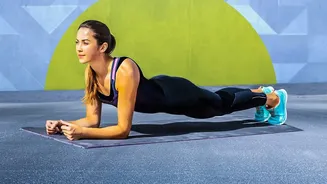
Understanding Deep Abdominal Definition
Before comparing workouts, it's crucial to understand what "deep abdominal definition" means. It's not just about the visible "six-pack" (the rectus abdominis). True core strength involves deeper muscles you can't see, most notably the transverse abdominis (TVA).
This muscle wraps around your torso like a natural corset, and strengthening it creates a cinched-in waist and provides stability for your spine. Achieving definition, therefore, is a two-part mission: building strength in these deep muscles and reducing the layer of body fat covering them so the muscles become visible.
The Pilates Method: Building the Core From Within
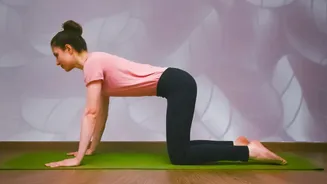
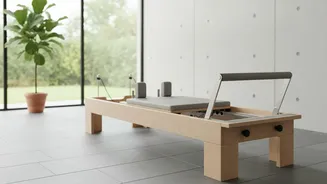
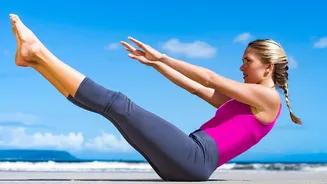
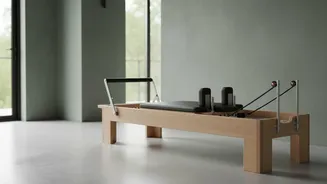
Pilates excels at targeting those deep, stabilizing muscles. Through slow, precise movements and a focus on breathwork, Pilates teaches you to engage your TVA and pelvic floor. Think of exercises like the 'Hundred' or the 'Dead Bug,' which demand control and stability over speed and repetition. This methodical approach builds strength from the inside out, improving posture and creating a strong foundation. While it might not leave you breathless in the same way as a high-energy workout, the deep muscular burn is undeniable. Research has shown that Pilates is particularly effective at activating and strengthening the transverse abdominis.
Circuit Training: The High-Energy Calorie Burner
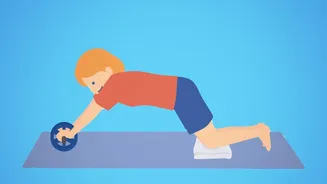
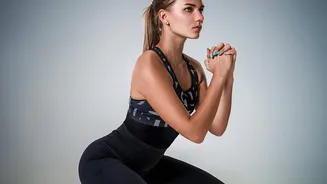
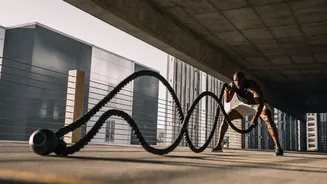
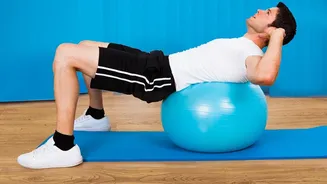
High-energy circuit training, often incorporating High-Intensity Interval Training (HIIT), takes a different approach. Its primary advantage is its efficiency in burning calories and boosting metabolism. By moving quickly between different exercises with minimal rest, you keep your heart rate elevated, which is fantastic for overall cardiovascular health and fat loss. This is key for the "definition" part of the equation—you need to lower your body fat percentage to reveal the muscles underneath. While many circuit exercises like planks or Russian twists do engage the core, the main goal is often full-body conditioning and metabolic impact rather than the isolated, deep-muscle precision of Pilates.
The Verdict: Two Sides of the Same Coin
So, which is better? The answer is that they are not competitors but partners. Pilates is superior for building foundational strength in the deep core muscles that create stability and a taut, cinched midsection. Circuit training, on the other hand, is the champion of fat burning, which is essential for making those well-built muscles visible. Relying on one without the other can lead to an imbalance. All the deep core strength from Pilates won't be visible if it's hidden by a layer of fat. Similarly, burning fat with circuits without a strong foundation can lead to a less-defined look and potential instability.
The Best Approach: A Hybrid Routine
For the best possible results, combining both methods into your weekly routine is the most effective strategy. This hybrid approach provides a balanced fitness plan, pairing the muscle-sculpting and postural benefits of Pilates with the cardiovascular and fat-burning power of circuit training. You could alternate days, doing Pilates on your active recovery days to stretch and strengthen without high impact, and dedicating other days to intense circuit sessions. This combination not only accelerates results in terms of definition but also improves overall performance, helps prevent injuries by building a more resilient body, and keeps your workout routine engaging.