





The Multi-Billion Dollar Offer
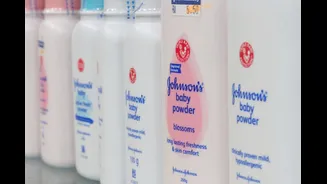
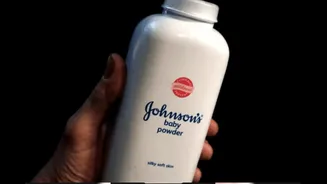
Johnson & Johnson has proposed paying approximately $5.5 billion to settle the vast majority of the remaining ovarian cancer lawsuits filed against it in the United States. This figure aims to resolve around 76,000 claims from women who allege that using
the company's talc-based baby powder led to their illness. This new proposal, announced in late July 2026, is a direct negotiation with the law firms representing the claimants, a significant shift from J&J’s previous strategies. The company maintains that its talc products are safe and that the legal claims lack scientific merit, but states this resolution would allow it to move past the decade-long litigation. Notably, this settlement focuses on the ovarian cancer cases, as J&J has already settled about 95% of the separate lawsuits related to mesothelioma.
How the Payouts Would Work
Unlike previous attempts that were tied up in complex bankruptcy proceedings, this proposal is a more direct settlement offer. However, it comes with a major condition: at least 95% of the claimants must agree to opt into the deal for it to become final. If that threshold is met, the process can move forward. According to the company's plan, payments would be distributed over several years. An initial payment of up to $3 billion would be made in 2027, with additional payments following no earlier than 2028. The specific amount each claimant receives would likely be determined by a points-based system that assesses the severity of their illness, the extent of their product usage, and other individual factors. This structure is designed to provide a framework for compensating a massive number of people in an organized manner.
A History of Failed Attempts
This is not the first time J&J has tried to put the talc litigation behind it. The company previously made three unsuccessful attempts to resolve the claims through the bankruptcy of a specially created subsidiary, LTL Management. This controversial legal strategy, known as the 'Texas Two-Step', involved transferring all talc liabilities to the new subsidiary, which would then file for bankruptcy to halt the lawsuits and force a settlement. Courts repeatedly rejected this approach, with judges ruling that the subsidiary was not in genuine financial distress and that J&J itself was one of the world's most profitable companies. A judge dismissed the third and final bankruptcy attempt in March 2025, finding issues with how claimant votes were collected, which forced J&J back to the drawing board and led to this new, more direct settlement strategy.
Why is This Happening Now?
The timing of this $5.5 billion offer is linked to recent developments in the courtroom. In July 2026, a federal judge overseeing many of the cases issued a ruling that cast doubt on the ability of plaintiffs' experts to prove that talc specifically caused any individual's cancer. This decision significantly strengthened J&J's legal position. Following this ruling, plaintiffs' lawyers effectively conceded a key scientific point by withdrawing their experts in two major test cases. This created a watershed moment, providing J&J with powerful leverage to negotiate a settlement from a position of strength, rather than weakness. The company has stated that while it was confident it would win most future trials, this settlement provides a path to finality.
What Happens Next for Claimants?
The ball is now in the court of the thousands of women and their families who have filed lawsuits. The proposal is not a done deal. For the settlement to proceed, the lead plaintiff law firms must get at least 95% of their clients to agree to the terms. This will involve a period of communication and voting, as lawyers explain the details of the offer and what it means for each individual's potential compensation. If the high participation threshold is met, the agreement will be finalized, and the payment process will begin in 2027. If not, the deal could fall apart, and the parties would likely return to litigating the tens of thousands of cases one by one in courtrooms across the country, a long and uncertain process for everyone involved.