



The Great Watering Misconception
For many aspiring gardeners, a watering can feels like a magic wand. We're taught that giving plants a daily drink is the ultimate act of care. However, in the confined space of a pot, too much of this good thing can be fatal. When excess water has nowhere
to go, it saturates the soil, pushes out air, and effectively begins to drown the plant's roots. This is why gardeners often say overwatering is a more common and faster way to kill a plant than underwatering, especially in the humid conditions of many Indian cities. The real issue isn't the act of watering itself, but what happens afterwards.
Understanding the Enemy: Root Rot
The primary consequence of poor drainage is root rot. Plant roots need oxygen to function, which they absorb from small air pockets in healthy soil. When soil becomes waterlogged, these air pockets disappear, creating an anaerobic (oxygen-free) environment perfect for fungi and bacteria to thrive. These pathogens attack the roots, turning them from healthy, white strands into a brown, mushy mess. A plant with rotten roots cannot absorb water or nutrients, leading it to wilt and yellow, ironically appearing as if it's thirsty. By the time these symptoms are obvious, the damage below the soil is often severe.
How to Spot Poor Drainage
Before your plant is beyond saving, it will send out distress signals. Being able to read them is key. A classic sign is leaves turning yellow, often starting from the bottom of the plant and moving up. The plant may wilt even when the soil feels wet to the touch. Other red flags include a foul, rotting smell from the soil, the appearance of mould or fungus on the soil surface, and stunted growth. If you gently remove the plant from its pot, you may see dark, slimy roots instead of firm, white ones. The most straightforward test is to simply check the soil with your finger; if it's soggy an inch or two down, you have a drainage problem.
Your First Line of Defence: The Pot
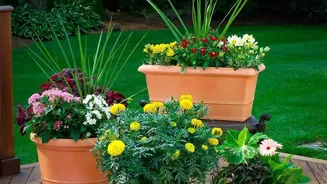
The solution begins with the container itself. Every pot must have drainage holes—this is non-negotiable. One hole can easily get clogged, so multiple holes are better. The material of the pot also plays a significant role. Traditional terracotta or clay pots are porous, allowing air and water to pass through the walls. This helps the soil dry out faster, making them a forgiving choice for those who tend to overwater and ideal for plants that prefer drier conditions. Plastic pots are lightweight and retain moisture for much longer. They are suitable for moisture-loving plants but require a more careful watering schedule and a very well-draining soil mix to prevent waterlogging.
Creating the Perfect Soil Mix
Never use heavy garden soil in pots. It compacts easily, drains poorly, and can introduce pests. A good potting mix is designed to be light and airy. For Indian balconies, a reliable DIY mix often includes cocopeat (for moisture retention), compost or vermicompost (for nutrients), and perlite or coarse sand (for drainage). A common ratio is 40% cocopeat, 30% compost, and 30% sand or perlite. This ensures the mix holds enough water for the plant's needs while allowing the excess to drain away freely, keeping the roots well-aerated. Many ready-to-use organic potting mixes are also available online, offering a convenient alternative.
Surviving the Indian Monsoon
The monsoon brings a unique challenge: nature itself can overwater your plants. During periods of heavy rain, even well-draining pots can become saturated. Simple adjustments can make a huge difference. Elevate your pots using bricks or 'pot feet' to ensure water can escape from the drainage holes and isn't blocked by the floor. This also improves air circulation around the base. If possible, move more sensitive plants under a covered area during prolonged downpours. Adjust your watering schedule drastically—always check the soil moisture before adding more water; chances are, the rain has already done the job.