







What Are the New Sanctions?
The latest measures announced by the US Treasury Department expand the scope of sanctions to new sectors and intensify the risk for international entities doing business with Iran. The new restrictions specifically target five critical areas of the Iranian
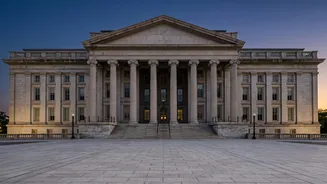
economy: digital assets, technology, gold, aviation, and shipping. US Treasury Secretary Scott Bessent stated that these sectors are used by the Iranian government to support its economy. Alongside these sectoral sanctions, the US also designated 60 new individuals, companies, and vessels allegedly involved in helping Iran generate oil revenue, procure weapons technology, or conduct cyber operations. The core of the new strategy is to enforce secondary sanctions, which penalize foreign companies and countries that engage in trade with Iran, threatening to cut them off from the US dollar system.
Why Is This Happening Now?
The announcement comes nearly six months into a conflict that has seen a US naval blockade of Iran and rising tensions in the Middle East. US officials have framed the sanctions as an “economic D-Day” and a final push to force an “endgame” in the conflict. The stated goal is to achieve the “economic asphyxiation” of the Iranian regime, forcing it to choose between complete global isolation or returning to negotiations on US terms. The measures are designed to close loopholes that have allowed Iran to withstand previous sanctions. This move follows a period of stalemate, with diplomatic talks stalled and Iran continuing to challenge shipping in the vital Strait of Hormuz.
How Has Iran and the World Reacted?
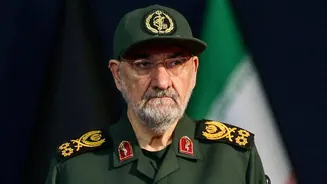
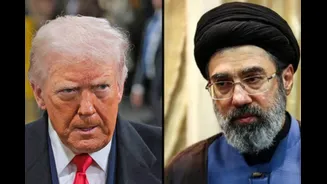
Iranian officials have publicly dismissed the new measures, predicting “another defeat” for the United States. An economy minister claimed that Iran has a two-year plan to manage the sanctions and has become accustomed to such pressure. However, the announcement has had an immediate impact on Iran's currency, with the rial falling to a new record low against the US dollar. Internationally, the reaction has been mixed. China, a major buyer of Iranian oil, has criticized the move, stating it will only exacerbate tensions and disrupt the global economy. President Trump is reportedly contacting world leaders to demand they cease interactions with Tehran, but Treasury Secretary Bessent has so far declined to name which countries would be targeted or when the new penalties would take full effect. This has led some analysts to view the announcement as more of a “warning shot” than a final blow.
What Are the Potential Consequences?
The immediate consequence for Iran is deepening economic pain, building on years of existing sanctions that have already led to soaring inflation and unemployment. The country's economy has been weakened by the recent conflict, and some analysts in Iran warn it may be less able to absorb this new campaign. Globally, the US strategy carries significant risks. By threatening to sanction major trading partners like China, Turkey, and the United Arab Emirates, the move could strain diplomatic relations and potentially disrupt the global financial system—a risk acknowledged by Secretary Bessent himself. For India, which has historically been a significant trading partner with Iran, these secondary sanctions create a challenging diplomatic and economic balancing act. The pressure to choose between adhering to US sanctions or maintaining ties with a key regional player like Iran could have implications for India's energy security and strategic autonomy.