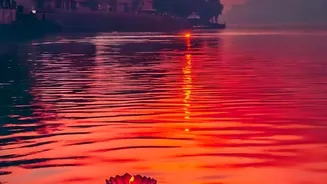



The Situation: A River on the Rise
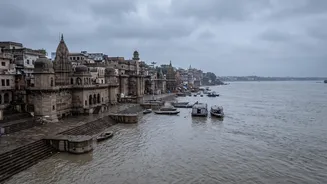
As of early September 2026, the Ganga River in Varanasi has crossed its official warning level. This is a direct result of the heavy monsoon rains that are typical for this time of year. On September 2, the water level was recorded at 70.29 meters, just
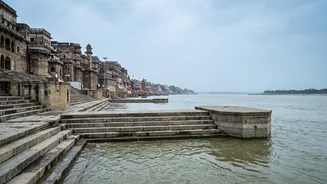
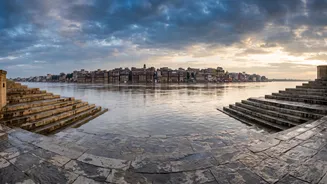
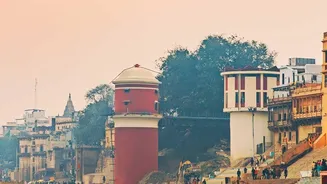
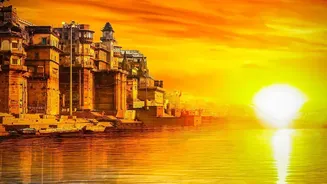
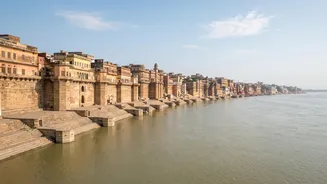
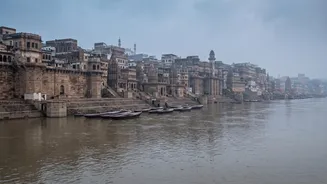
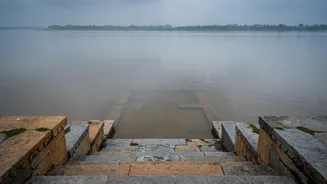
above the warning mark of 70.26 meters. While this is still below the official danger level of 71.26 meters, the upward trend has prompted local authorities to take significant precautions. The rising water has submerged the lower steps of the city's famous ghats—the long stairways leading down to the river—dramatically changing the waterfront experience that is central to any Varanasi visit.
Key Activities Suspended
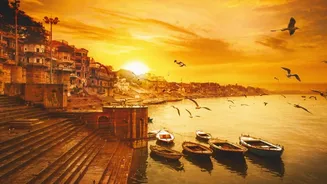
The most immediate impact for tourists is the complete suspension of all passenger boat operations. This means the quintessential sunrise and evening boat tours, which offer panoramic views of the ghats and riverside life, are currently unavailable. Authorities have been clear: any informal boat trips offered during the ban are not sanctioned and are unsafe due to strong currents and submerged debris. Beyond boating, access to the ghats themselves is restricted, and officials have warned both residents and visitors to stay away from the water's edge. In past years with similar water levels, even the world-famous Ganga Aarti ceremony at Dashashwamedh Ghat has been relocated to higher ground or nearby rooftops to ensure safety.
Should You Cancel Your Trip?
A suspension of river activities doesn't mean the entire city is closed. For travelers whose itineraries are not solely dependent on the river, a trip may still be viable. Hotels, temples located further from the river, and general sightseeing in the city's labyrinthine lanes remain largely unaffected for now. However, if your primary reason for visiting is the ghat experience—walking the riverfront, taking boat tours, and witnessing the Aarti from the water—reconsidering the timing of your trip is a sensible option. The situation on the ground can change daily, influenced by rainfall in the region. The India Meteorological Department has forecast more rain for eastern Uttar Pradesh through September 8, which could keep water levels high.
Navigating the Uncertainty
If you have an upcoming trip, flexibility is key. Check for official updates from the Central Water Commission and local news outlets before you travel. Contact your hotel or tour operator for on-the-ground conditions. While boatmen and local vendors who depend on tourism are impacted economically by the closures, safety is the administration's top priority. The city has set up dozens of relief camps and has emergency response teams, including the National Disaster Response Force (NDRF), on high alert. These measures are primarily for residents in low-lying areas affected by flooding from the Ganga and its tributary, the Varuna, but they underscore the seriousness of the situation.
Planning for the Future
The monsoon season in Varanasi typically lasts from late June through September, with July and August seeing the heaviest rainfall and highest river levels. For travelers who want to guarantee the full ghat and boating experience, the best time to visit is during the post-monsoon and winter months, from October to March. During this period, the river is calm, the weather is pleasant, and all riverside activities are fully operational. If your travel plans are fixed for the monsoon season, pack for high humidity and rain, bring footwear with excellent grip for slippery surfaces, and be prepared for an alternative, more contemplative Varanasi experience focused on the temples and culture away from the immediate riverfront.