


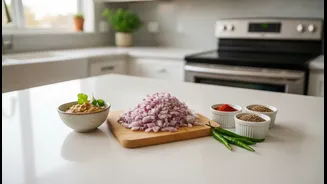


The Soul of a Simple Dish
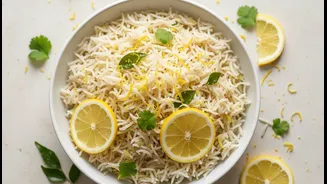
Lemon rice, known as Chitranna in Karnataka or Nimmakaya Pulihora in Andhra Pradesh and Telangana, is a culinary staple celebrated for its simplicity and bright flavour. It’s a dish that proves you don’t need a long list of complex ingredients to create
something truly satisfying. The magic lies in the balance of sour, savoury, and spicy notes, all coming together in a delightful bowl of fluffy rice. Often served as prasad in temples and a fixture in lunchboxes, its appeal is universal, offering a burst of sunshine on a plate no matter the occasion. The key is transforming plain rice into a flavour-packed meal, and it all starts with getting the foundation right.
Perfectly Fluffy Basmati Rice
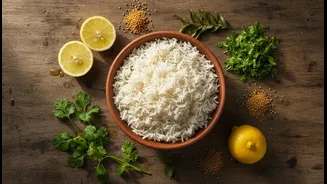
The ideal lemon rice has grains that are separate, fluffy, and firm—never sticky or mushy. While many traditional recipes use short-grain rice, long-grain basmati works beautifully, providing a wonderful texture and aroma. To achieve this, rinse your rice under cool water until the water runs clear. This crucial step removes excess surface starch that causes clumping. For one cup of basmati, use about one and a half to two cups of water. You can cook it in a pressure cooker for a couple of whistles or in a pot until about 85% done. A clever trick is to add a few drops of lemon juice to the cooking water; the acid helps keep the grains separate and bright white. Once cooked, spread the rice on a plate or wide bowl to cool. Using day-old, refrigerated rice is also an excellent option as it's drier and holds its shape well.
The Art of the 'Tadka'
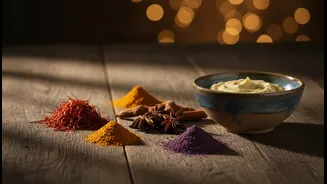
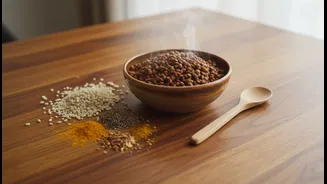
The 'tadka', or tempering, is where the foundational flavours are built. This quick process involves frying spices in hot oil or ghee to unlock their essential oils and aromas. Heat a tablespoon or two of oil (sesame or coconut oil adds a lovely flavour) in a small pan. Once the oil is hot, add mustard seeds and wait for them to pop and crackle. Immediately follow with chana dal (split Bengal gram) and urad dal (split black gram), frying until they turn a light golden brown. This gives the rice a delightful, nutty crunch. Now, toss in a pinch of asafoetida (hing), which provides a subtle, savoury depth.
The Fresh Additions
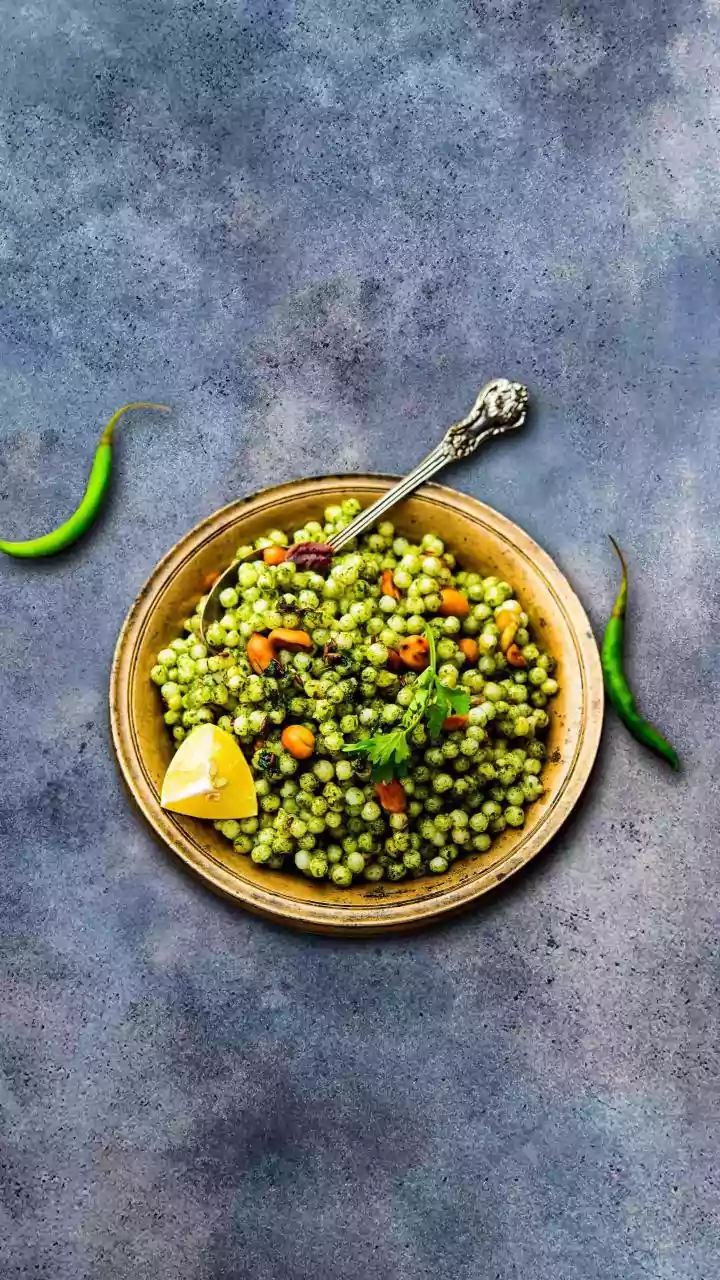
With the base flavour set, it's time for the fresh ingredients that define the dish. To the hot pan with the dals, add sliced green chillies for heat and a sprig of fresh curry leaves—they will sizzle and release an incredible aroma. A sprinkle of turmeric powder is next, giving the lemon rice its signature vibrant yellow colour. Stir everything for a few seconds before turning off the heat. For an extra layer of crunch and richness, many recipes call for frying peanuts or cashews in the tadka until they are golden brown. This step adds a wonderful textural contrast to the soft rice.
Bringing It All Together
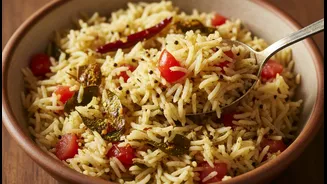
Now for the final assembly. Pour the aromatic tadka over your cooled, fluffed rice. Add salt to taste. The most important ingredient comes last: freshly squeezed lemon juice. Always add the lemon juice after turning off the heat or once the rice has slightly cooled, as cooking it can make it bitter. Start with the juice of half a lemon and add more as needed, tasting as you go to find your perfect level of tanginess. Gently mix everything with a fork or a light hand, being careful not to break the delicate basmati grains. The goal is to evenly coat every grain with the yellow, fragrant spice mixture. Finally, garnish with a generous amount of chopped fresh coriander for a final burst of freshness.
Serving and Variations
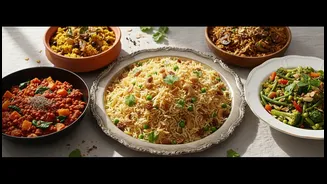
Lemon rice is incredibly versatile. It's a complete meal on its own but also pairs wonderfully with simple sides. Serve it with a crisp papad, a dollop of thick yogurt or raita, or a spoonful of your favourite pickle (achar) for an extra kick. For a heartier meal, it can be served alongside a simple potato fry or a vegetable curry. Don’t be afraid to experiment with the core recipe. Some variations include adding finely chopped onions or grated coconut for more texture and sweetness. No matter how you serve it, this simple dish is a testament to the power of fresh ingredients and smart technique.