






Understanding the 2026 Bloom
If you remember the massive Neelakurinji bloom of 2018, you might be wondering why another is happening now, four years ahead of the expected 2030 event. The answer lies in the plant's biology. The hills of Munnar are home to different populations of the Neelakurinji shrub,
and not all of them are on the same 12-year clock. The famous bloom at Eravikulam National Park that captivated the world in 2018 is indeed on schedule to return in 2030. However, the current 2026 bloom belongs to a separate population, primarily located around the Chokramudi and Mattupetty areas. This group last flowered in 2014, making 2026 its natural, scheduled return. So, this isn't an early arrival; it's a different natural schedule, offering a surprise opportunity to witness the magic.
Where to Witness the Spectacle
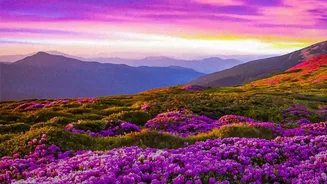
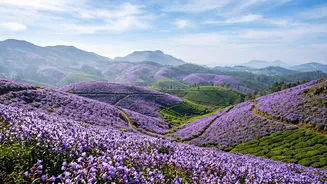
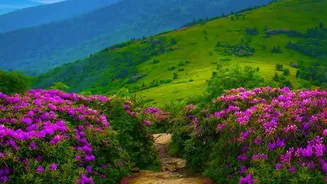
For those hoping to see the purple-blue carpet of flowers in 2026, it is essential to head to the right spots. The primary locations for this year's bloom are the Chokramudi Hills and the Korandakadu hills near Mattupetty. Local authorities have been preparing for visitors in these specific areas. It is important for visitors to understand that Eravikulam National Park, the main site of the 2018 bloom, is not the centre of the 2026 flowering. While the park is still a magnificent destination, home to the endangered Nilgiri Tahr, those coming specifically for the Neelakurinji this year should focus their plans on Chokramudi and Mattupetty for the best views.
A Once-in-a-Dozen-Years Wonder
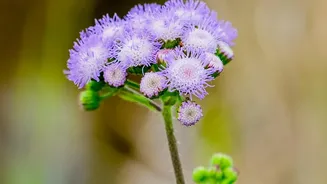
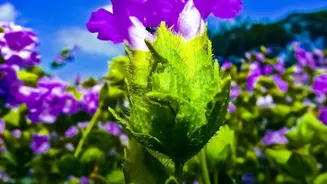
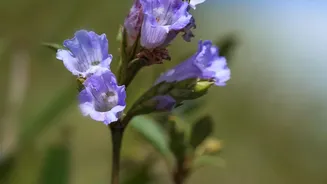
The Neelakurinji, or Strobilanthes kunthiana, is a shrub endemic to the high-altitude shola grasslands of the Western Ghats. Its name is a combination of the words 'Neela' (blue) and 'Kurinji' (a local name for the flower). The phenomenon is so iconic that it is believed to have given the Nilgiri Hills, or 'Blue Mountains', their name. The plant follows a fascinating life cycle known as gregarious flowering. It grows for 12 years, blooms just once in a spectacular, synchronised fashion, sets seed, and then dies. This mass flowering attracts a host of pollinators like bees and butterflies, playing a vital role in the local ecosystem. The Paliyan tribal community historically even used the 12-year cycle to calculate their age.
The Impact on Tourism and Ecology
A Neelakurinji bloom has a massive impact on Munnar. It triggers a significant tourism boom, bringing a vital economic boost to local hotels, guides, and businesses. During the 2006 bloom, for instance, an estimated one million tourists visited the region. However, this influx of people also puts immense pressure on the fragile ecosystem. The Neelakurinji habitat is sensitive to trampling and environmental pollution. Recognizing its delicate state, the International Union for Conservation of Nature (IUCN) recently classified the species as 'Vulnerable'. This highlights the critical need to balance tourism with conservation, ensuring the hills can continue to turn blue for generations to come. Local authorities often implement measures like limiting visitor numbers and running additional transport to manage the crowds responsibly.
How to Be a Responsible Visitor
Witnessing the Neelakurinji bloom is a privilege, and every visitor plays a role in protecting it. The most important rule is to cause no harm. Do not pluck the flowers or stray from designated paths. Trampling the shrubs can damage the next generation of plants that are waiting to sprout from seeds in the soil. Given the high demand, it's wise to book accommodation and travel well in advance. Be prepared for crowds and potential traffic restrictions during the peak blooming period of September and October. Always follow the guidance of local officials and forest guards. By being a mindful traveller, you help ensure that the economic benefits of tourism do not come at an ecological cost. Leave the landscape as you found it: stunningly, breathtakingly blue.