




Choosing a wedding venue is often the first big decision a couple makes. An urban rooftop not only offers stunning cityscapes but also sets the stage for a celebration that is both modernly chic and wonderfully eco-conscious.
The Rooftop: An Inherently Green Choice
Opting for a rooftop venue
is a strong first step in planning a sustainable wedding. These spaces utilize existing buildings, which means no new land is cleared for construction. The open-air setting dramatically reduces the need for artificial lighting and air conditioning, especially for a daytime or sunset ceremony, immediately cutting down your event's energy consumption and carbon footprint. The panoramic city view often serves as a spectacular natural backdrop, lessening the need for elaborate and potentially wasteful decorations. Furthermore, selecting a central city location can make it more accessible for guests via public transport or encourage carpooling, reducing overall travel emissions.
Decor: Natural Beauty Over Wasteful Flourishes
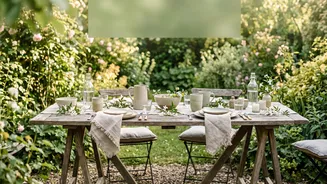
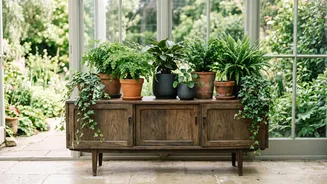
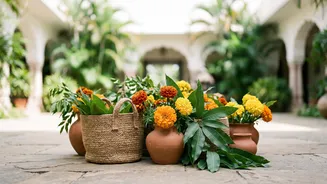
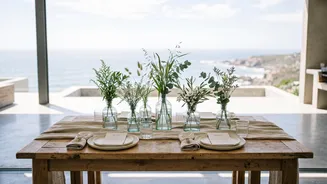
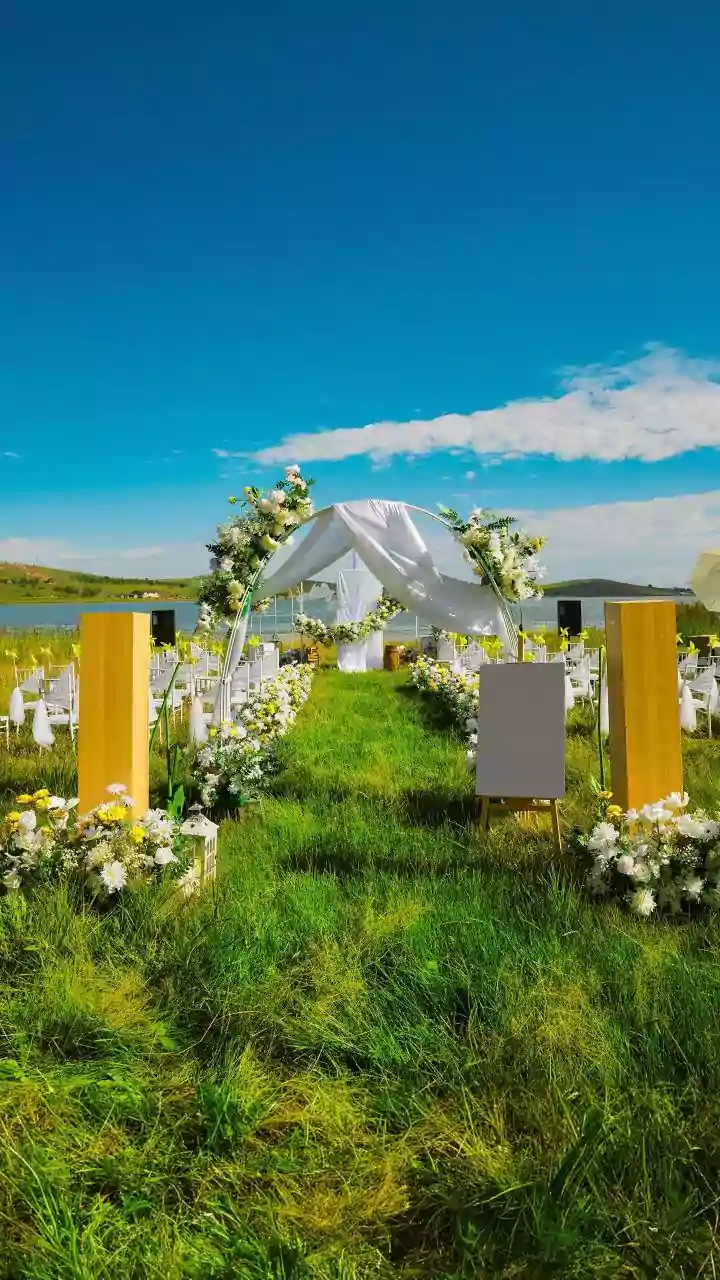
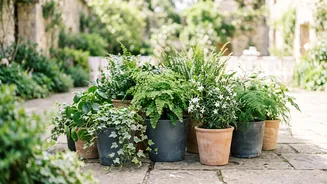
An eco-friendly decor philosophy is about mindful choices, not sacrifice. Instead of single-use floral arrangements made from imported blooms, consider using potted plants, herbs, or succulents that can be given as wedding favours afterwards. If you love flowers, choose seasonal and locally sourced varieties like marigolds and jasmine, which are biodegradable and carry a lower carbon footprint. Renting decor elements like furniture, linens, and even elegant mirror signages is a fantastic way to achieve a luxurious look without the waste. For a rustic touch, materials like jute, bamboo, and repurposed wood can be used for everything from mandap pillars to bar fronts, proving sustainability can be incredibly stylish.
Catering: A Farm-to-Table Feast
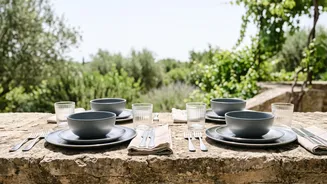
The 'farm-to-mandap' concept is revolutionising Indian wedding food. Partner with caterers who prioritise local and seasonal ingredients. This not only guarantees fresher, more flavourful dishes but also supports local farmers and reduces food miles. A seasonal menu might feature corn and mushroom tartlets during the monsoon or dishes celebrating fresh greens in the winter. To tackle food waste, a major issue at large events, plan your menu portions carefully and arrange for a service to donate excess food to those in need. Finally, eliminate single-use plastics by opting for reusable crockery and cutlery, or at the very least, using high-quality compostable disposables made from materials like sugarcane.
Fashion: Attire with a Conscience
Sustainable fashion is making a significant mark on bridal wear. Consider renting your wedding outfits; it’s a budget-friendly way to wear a designer label without the longterm environmental cost. Another beautiful option is to upcycle a parent's wedding saree or sherwani, weaving personal history into a modern design. If buying new, look for designers who use organic or handloom fabrics like Khadi, Banarasi silk, or crueltyfree 'peace' silk. These choices support traditional artisans and reduce the environmental impact of your clothing. Even encouraging your wedding party to wear something they already own within a specific colour palette can contribute to a more sustainable event.
Invitations and Favours: Small Details, Big Impact
Your sustainable ethos can be reflected in every detail, starting with the invitations. Digital invitations are the most ecofriendly option, saving paper and costs. If you prefer a physical card, choose options made from recycled paper or innovative plantable seed paper, which guests can later grow into flowers or herbs. When it comes to wedding favours, move away from trinkets that will be discarded. Thoughtful, green gifts are far more memorable. Small potted plants, packets of seeds, locally made jams, or natural soaps are wonderful ways to thank your guests while honouring your commitment to the planet.