


The Psychology of Colour
We truly eat with our eyes first. The colours on our plate and table send signals to our brain long before we take a bite, influencing how we perceive flavour, quality, and even sweetness. Studies show we associate certain colours with specific tastes:
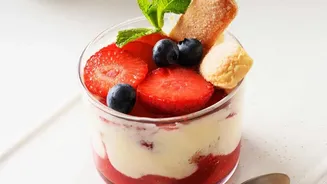
red often suggests sweetness, green implies freshness, and yellow can signal a sour or tangy note. When the colour of a dish or its plate aligns with these expectations, it can enhance the dining experience. A strawberry tart, for example, might seem more vibrant and flavourful when its red hue is allowed to stand out, rather than being placed on a matching red plate where it might get lost visually. This is why chefs in fine dining establishments often use white plates as a neutral canvas, making the food's colours pop.
Choose Your Palette
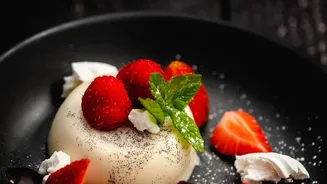
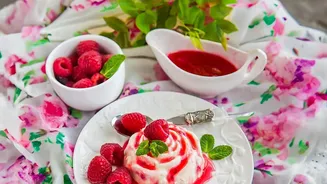
You don't need a degree in art theory to create a beautiful table. Start with your dessert as the centrepiece and build your colour scheme from there. For a simple vanilla panna cotta topped with raspberries, you could opt for a monochromatic look using various shades of pink and red in your napkins and glassware. Alternatively, create a high-contrast, complementary scheme. If you're serving a rich chocolate brownie, plates in a soft blue can make the dessert's deep brown tones appear even richer. An analogous scheme, using colours that are next to each other on the colour wheel, offers a harmonious feel—think of a lemon tart paired with pale green and yellow table linens.
The Power of the Plate
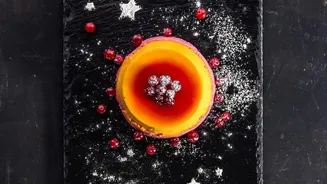
The plate itself is your frame. While white is a classic choice for a reason, don't be afraid to experiment. Dark plates—slate grey or even black—can provide a dramatic backdrop for light-coloured desserts like a mousse or a cheesecake, creating a modern, sophisticated look. Conversely, a colourful plate can bring life to a simple treat. Imagine a plain scoop of vanilla ice cream in a vibrant bowl. The key is to choose dinnerware that supports and highlights your dessert rather than overwhelming it. Consider not just colour but also shape; a round plate can feel traditional and comforting, while a square or angular plate can add a modern edge.
Garnish with Intention
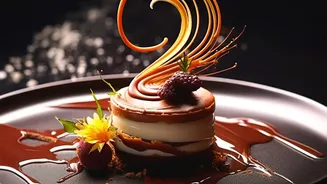
Garnishes are the final flourish that ties the whole presentation together. They are your opportunity to add a final pop of contrasting or complementary colour and texture. A sprig of fresh mint on a chocolate lava cake does more than just look pretty; its vibrant green contrasts with the dark brown, signalling freshness. A few strategically placed berries, a dusting of cocoa powder, or some finely grated citrus zest can add visual interest with minimal effort. Even a sprinkle of toasted, chopped pistachios provides both a beautiful green hue and a satisfying crunch against a creamy dessert. Think of the garnish as a hint of the flavours within the dessert.
Beyond the Tableware
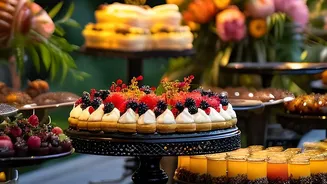
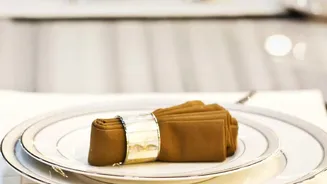
Extend your colour scheme to the rest of the table to create a fully immersive experience. A simple table runner, placemats, or even candles in your chosen palette can unify the look. Fresh flowers are a classic way to introduce colour and life to the setting. If your dessert table has a theme, lean into it. For a festive holiday meal, a few sugared cranberries scattered around a spice cake can echo its flavours and colours. The goal is to create a cohesive atmosphere where the dessert feels like the star of a thoughtfully curated show, making the moment feel deliberate and special.