




From Novelty to Integration
For years, foreign ingredients in Indian food were often a gimmick—a sprig of parsley for colour or a dollop of a generic sauce that felt out of place. The shift we are seeing today is far more sophisticated. This is not about forced fusion, like a clumsy
chicken tikka pizza, but a confident culinary evolution. Chefs and home cooks are moving beyond using global ingredients as mere exotic garnishes and are instead deeply integrating them into the very fabric of Indian dishes. The goal is no longer to present something foreign, but to make the unfamiliar feel right at home on the Indian palate. This means quinoa is not just a salad base; it's the foundation for a spiced upma. Avocado isn't just for toast; its creamy texture is used to enrich chutneys and raitas, providing a new kind of richness.
The Blueprint of Indian Flavour
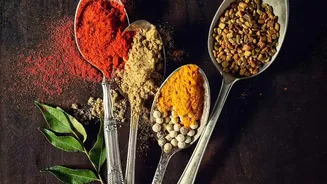
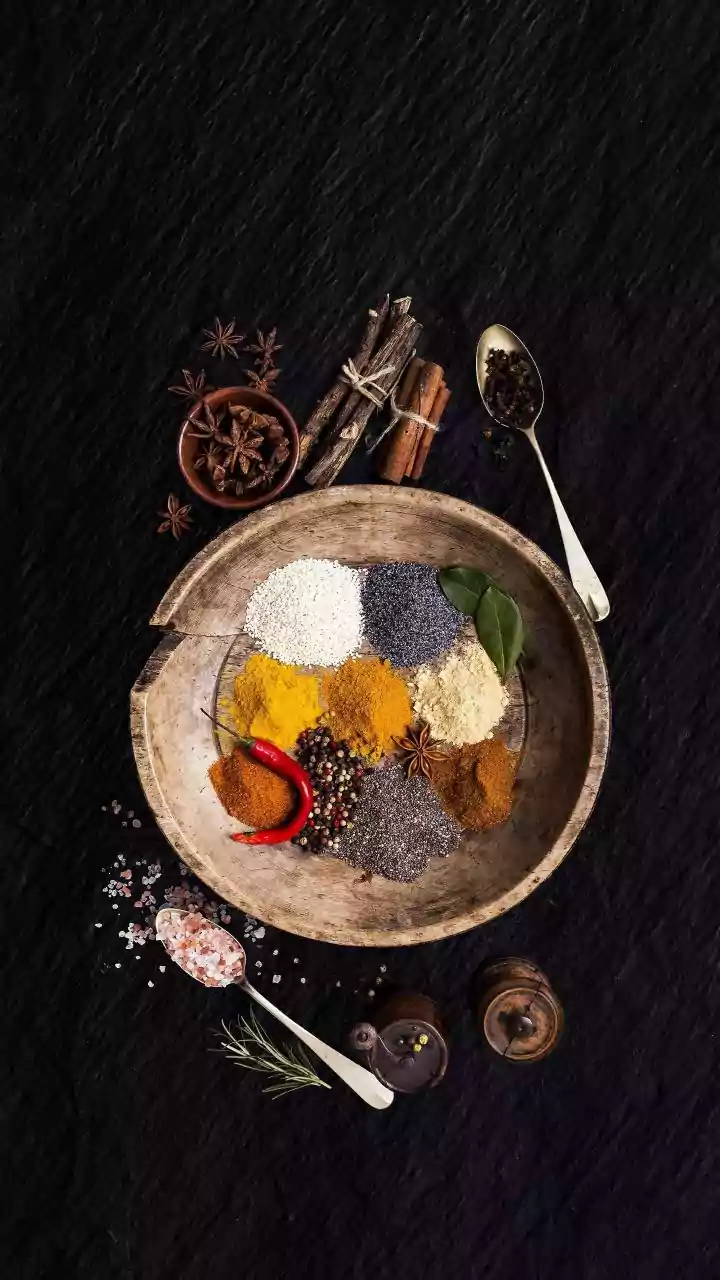
The success of this integration lies in a deep understanding of what makes Indian food taste 'Indian'. It’s a science of layering flavours. The process often starts with 'tadka'—tempering whole spices like cumin or mustard seeds in hot oil or ghee to make them bloom and release their essential oils. This creates an aromatic base that permeates the entire dish. This is followed by 'bhuna', the sautéing of onions, ginger, and garlic to build a sweet, savory foundation. Global ingredients are introduced into this established framework. A chef might find that the earthy notes of kale stand up beautifully to a classic tadka of mustard seeds and dried red chillies, or that the neutral, protein-packed quality of quinoa is the perfect canvas for a fragrant biryani masala. The ingredient is new, but the grammar of flavour is timeless.
Case Study: The Avocado Adoption
Perhaps no ingredient illustrates this trend better than the avocado. Its creamy, buttery texture and mild flavour make it incredibly versatile. Indian chefs and cooks have creatively mapped its properties onto familiar taste profiles. Its richness serves as a plant-based alternative to cream or ghee in certain dishes. In some modern restaurants, you might find an avocado-based raita, where its coolness complements spicy kebabs. One company has even started producing traditional snacks like sev and gathiya fried in avocado oil, catering to a health-conscious market without sacrificing familiar taste. Others have incorporated it into salads with classic Indian dressings, using chaat masala and lemon to give the avocado a distinctly tangy, Indian character.
A Marriage of Health and Heritage
This culinary trend is also propelled by a growing demand for healthier food options across India. Consumers are increasingly seeking out foods that are high in protein, fibre, and nutrients, but they don't want to compromise on the tastes they grew up with. This is where ingredients like millets, quinoa, and kale have found a natural home. Quinoa, a complete protein, is treated much like dalia or rice, finding its way into breakfast porridges and pilafs. Kale, with its robust texture, is finely chopped and sautéed with ginger, cumin, and turmeric, much like spinach or other local greens, making it both palatable and easy to digest. This approach allows for the nutritional benefits of global superfoods to be delivered through the comforting and delicious lens of traditional Indian cooking.
Respecting the Roots
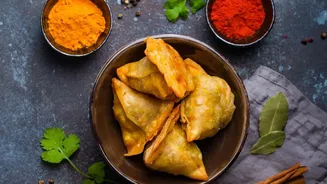
The most successful adaptations are born from a place of respect, not pretension. Chefs leading this movement aren't trying to erase the identity of a dish but to enhance it. They understand that a deconstructed samosa might look interesting, but it must still deliver the satisfying taste of the original. This new wave of contemporary Indian cuisine is defined by its confidence. There's less need to 'translate' dishes for a global audience and more focus on celebrating regional flavours and ingredients. The philosophy is simple: use a global ingredient if it enhances the dish, whether by providing a better texture, a complementary flavour, or a nutritional boost. The result is a cuisine that is both authentically Indian and openly global, evolving without losing its soul.