

The Real Benefits for Your Gut
Fermented foods are not a passing fad; they are a cornerstone of traditional diets worldwide, including India. The process involves beneficial microorganisms like bacteria and yeast breaking down sugars and starches in food. This doesn't mean the food is spoiled;
rather, it's transformed. This transformation process can make foods easier to digest and help our bodies absorb nutrients like calcium and iron more effectively. The live bacteria, often called probiotics, can help support a healthy balance of microbes in your gut, which is crucial for good digestion. During the monsoon, when humidity can make digestion feel sluggish and increase the risk of infections, incorporating these foods can be particularly helpful.
Beyond Global Trends: India’s Own Ferments
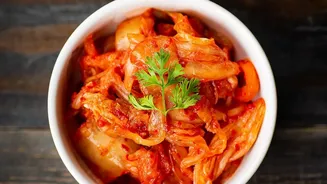
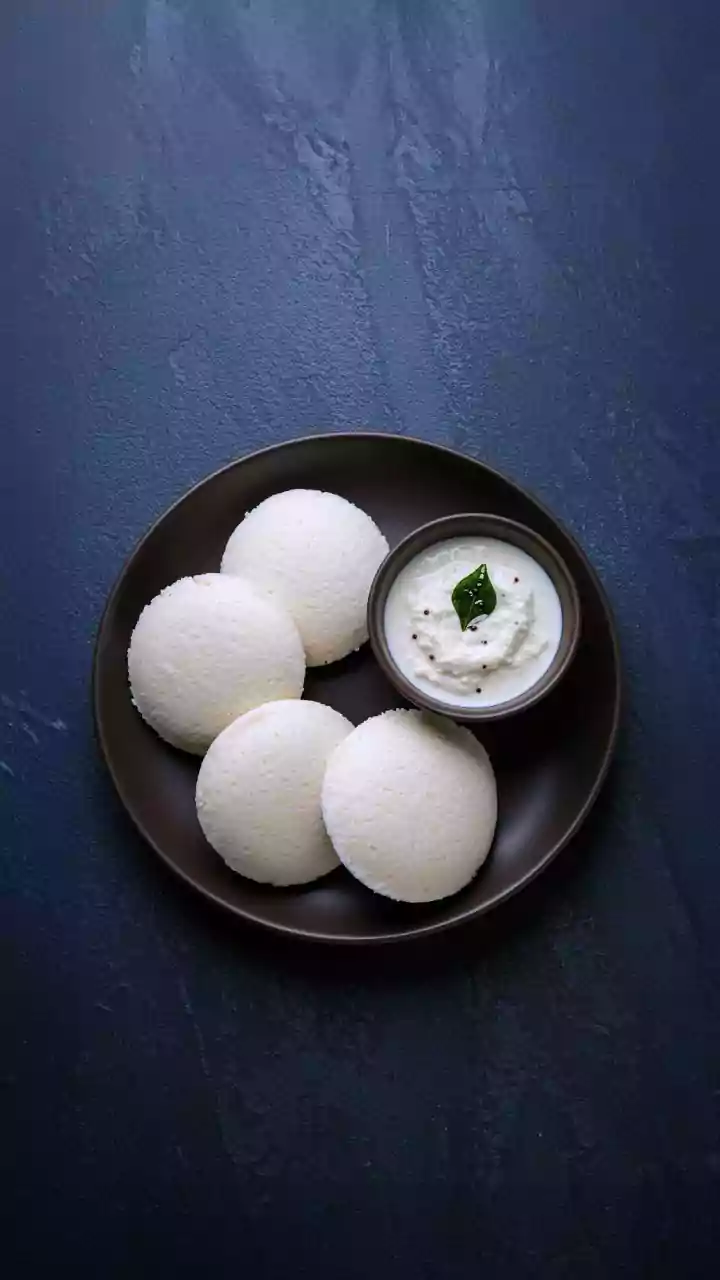
While social media might be full of kimchi and kombucha, Indian kitchens have a rich, centuries-old tradition of fermentation. You don't need to look for expensive, imported products to enjoy the benefits. Everyday staples like dahi (curd), homemade pickles (achaar), and the batters for dosa and idli are fantastic examples. Dahi is one of the most accessible probiotic foods, known for helping maintain a balanced gut. The overnight fermentation of rice and urad dal for idli and dosa batter not only creates their signature light and fluffy texture but also makes them incredibly easy on the stomach.
Perfect Fermented Foods for the Monsoon
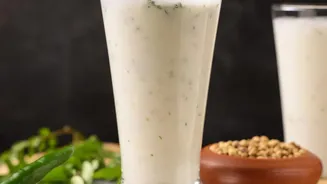
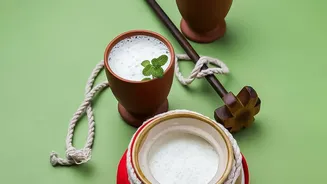
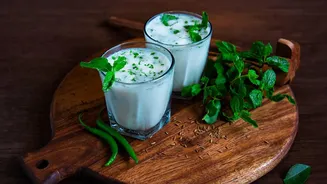
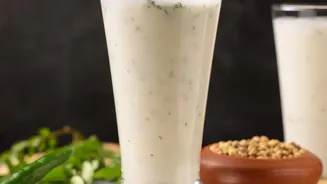
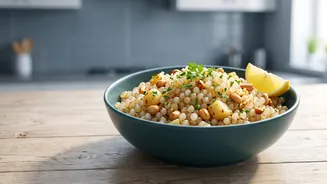
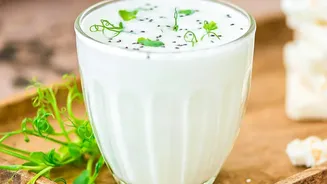
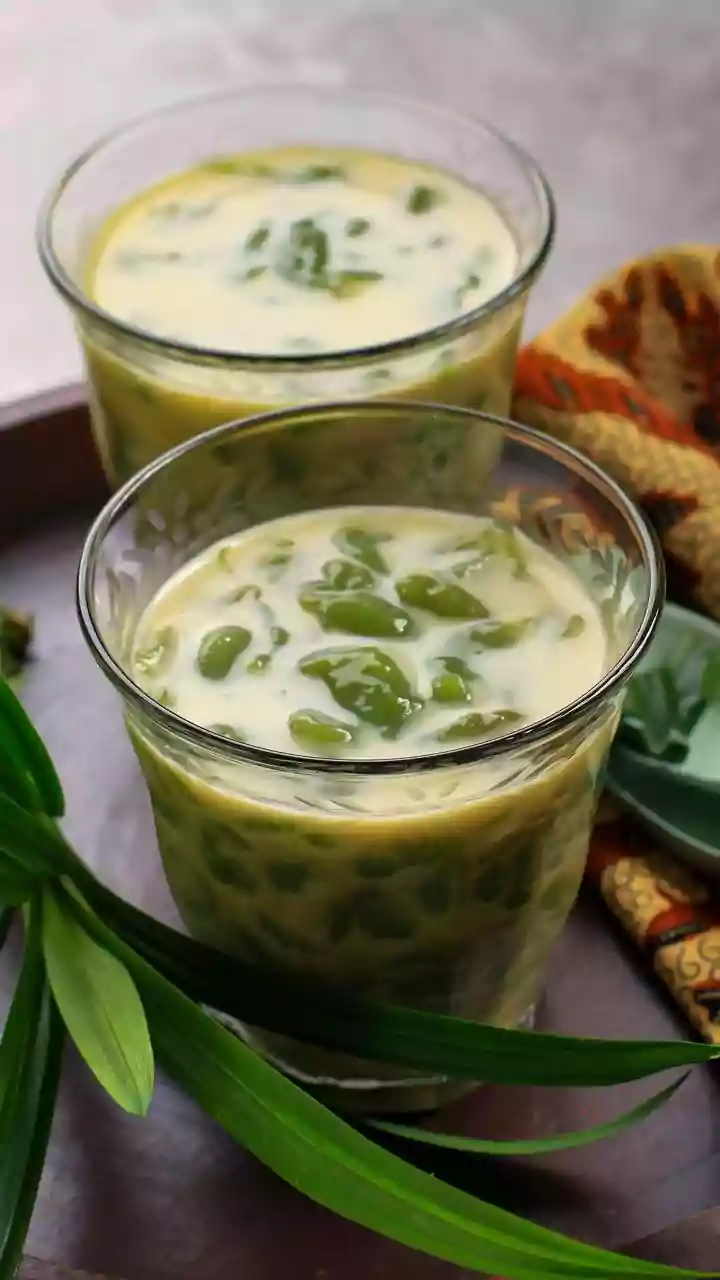
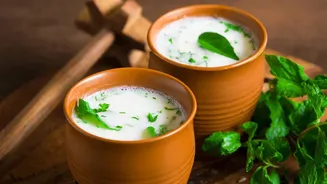
The rainy season calls for food that is warm, light, and easy to digest. Several traditional Indian fermented foods fit this description perfectly. Besides the ever-popular idli, dosa, and curd, consider dhokla from Gujarat, a steamed, spongy snack made from fermented gram flour. Chaas, or buttermilk, is a lighter, more hydrating version of curd that is excellent for soothing the stomach after a meal. Another great option is Kanji, a tangy North Indian drink made from fermenting black carrots. It's a probiotic-rich beverage that can be a refreshing and healthy addition to your monsoon diet. Even leftover rice, when soaked overnight to make Panta Bhat or Pazhaya Sadam, undergoes a mild fermentation that makes it a light and cooling meal.
Separating Fact from Fiction
Here’s where we need to be realistic. While fermented foods are beneficial, they are not miracle cures. The term "probiotic" itself has a clinical definition, and not all fermented foods contain enough live bacteria to qualify in a therapeutic sense. For a food to deliver probiotic benefits, the cultures must be live at the time of consumption, which is often true for homemade items but not always for commercially processed, heat-treated products. These foods can support your overall health as part of a balanced diet, but they won't cure diseases. Think of them as a valuable team player in your nutritional plan, not a solo superstar. It’s also wise to introduce them gradually, as having too much too quickly can sometimes cause bloating.
Easy Ways to Add Ferments to Your Plate
Incorporating fermented foods is simpler than you think. Start by making sure a small bowl of fresh, homemade dahi is part of your lunch. Enjoying idli or dosa for breakfast is another easy win. You can drink a glass of spiced chaas in the afternoon to aid digestion. Try using the tangy fermented rice water from Panta Bhat as a base for a light soup. When you opt for pickles, choose traditionally, salt-fermented achaars, which contain beneficial microbes, unlike those simply preserved in vinegar. The goal is not to overhaul your diet overnight but to consistently include these flavourful, traditional items to add variety and support your digestive wellness during the monsoon and beyond.