


The Humble Hero of Breakfast
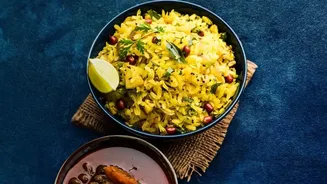
Poha, made from flattened or beaten rice, is a beloved breakfast food for good reason. It's light on the stomach yet satisfyingly filling, and it cooks in a matter of minutes. Found in various forms across the country, from Maharashtra's 'Kanda Poha'
(with onions) to other regional variations, it's a testament to simple, wholesome ingredients. The magic of poha lies in its ability to absorb flavours, transforming from a plain flake into a vibrant, savoury meal. Before cooking, the poha is typically rinsed just enough to soften it, ensuring the final dish has a fluffy, non-sticky texture. This quick preparation makes it an ideal choice for busy mornings when time is short but the desire for a proper meal is strong.
The Art of the Tadka
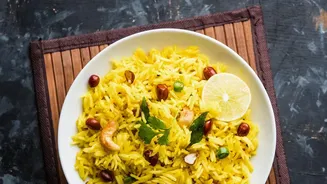
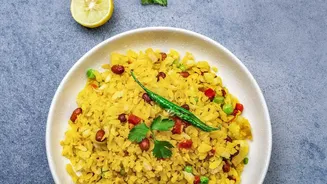
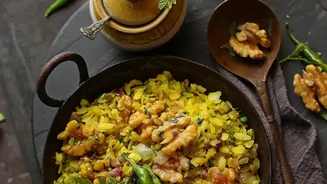
The secret to an unforgettable plate of poha lies in the 'tadka' or tempering. This technique is fundamental to Indian cooking, involving the blooming of whole spices in hot oil or ghee to release their essential oils and deepest aromas. For a spicy poha, the process begins by heating oil and adding black mustard seeds. Hearing them crackle and pop is the first sign that the flavour foundation is being built. Immediately following are fresh curry leaves, which sizzle and release an unmistakable fragrance, and chopped green chillies that infuse the oil with a sharp, clean heat. This aromatic oil, now packed with layers of flavour, becomes the medium in which the rest of the ingredients are cooked, ensuring every bite is infused with a warm, spicy kick.
Crafting the Perfect Spicy Poha
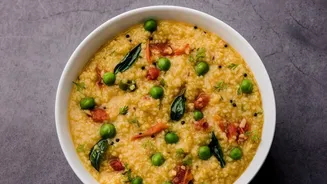
Once the tadka is fragrant, the rest of the dish comes together quickly. Finely chopped onions are added and sautéed until translucent, their sweetness balancing the heat of the chillies. Many recipes also include peanuts or cashews for a welcome crunch, and diced potatoes for a heartier meal. A pinch of turmeric powder gives the poha its characteristic sunny yellow hue. The rinsed, softened poha is then added to the pan, along with salt, and gently tossed until every flake is coated in the spiced oil. After a few minutes of steaming on low heat, the dish is finished with a generous squeeze of fresh lemon juice to brighten the flavours and a garnish of chopped coriander leaves. The result is a fluffy, flavourful, and mildly spicy dish that is both satisfying and light.
Beyond Poha: More Quick Breakfasts
While poha is a champion of speed and flavour, it's just one of many quick breakfast options in the vast landscape of Indian cuisine. These dishes often rely on similar principles of quick cooking and flavourful tempering, making them perfect for any day of the week.
Upma: The Savoury Semolina Staple
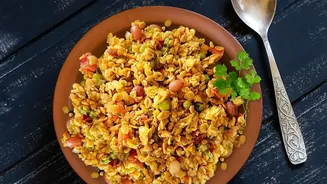
Upma is another classic South Indian breakfast that comes together in under 30 minutes. Made from roasted semolina (rava or sooji), it has a soft, porridge-like consistency. Like poha, its flavour profile is built on a foundation of a tadka of mustard seeds, lentils, curry leaves, and ginger. Often enriched with chopped vegetables like carrots, peas, and onions, Upma is a nutritious and comforting meal to start the day.
Besan Chilla: The Instant Savoury Pancake
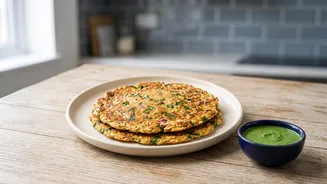
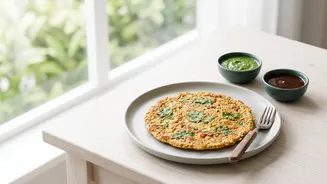
For a protein-packed breakfast, look no further than Besan Chilla. These are savoury pancakes made from a simple batter of besan (gram flour), water, and spices. The batter can be whipped up in minutes, with chopped onions, tomatoes, and herbs often mixed in. Cooked on a hot pan until golden brown, these chillas are not only quick and gluten-free but also incredibly versatile, often served with a side of chutney or pickle.
Idli and Dosa: Quick with a Little Prep
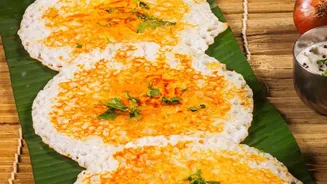
While the traditional preparation of idli (steamed rice cakes) and dosa (crispy crepes) involves fermenting batter overnight, they become an incredibly fast breakfast option if you use a pre-made batter, which is widely available. Idlis are steamed and famously light and easy to digest, while dosas are pan-fried to crispy perfection. Both are typically served with sambar and coconut chutney, offering a complete and flavourful meal that is a cornerstone of South Indian cuisine.