



More Than Just a Conference
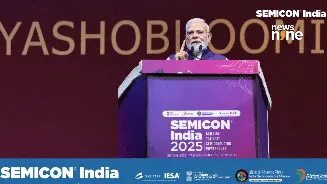
SEMICON India 2026, scheduled for September 17-19 in New Delhi, is the fifth edition of the country's premier event for the semiconductor industry. This year's theme, "Silicon to Systems: Building the Ecosystem," perfectly captures its significance. Organised
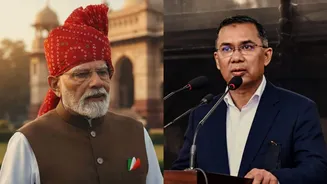
by the India Semiconductor Mission (ISM) and global industry association SEMI, the event is set to be inaugurated by Prime Minister Narendra Modi, who will also hold a roundtable with global semiconductor CEOs. With over 500 exhibitors, including 240+ international companies and delegations from over 40 countries, it's a global gathering on Indian soil. But its real importance lies in its timing. It arrives just as India's semiconductor ambitions are moving from blueprints to reality, with several projects finally entering commercial production.
From Ambition to Action: The India Semiconductor Mission
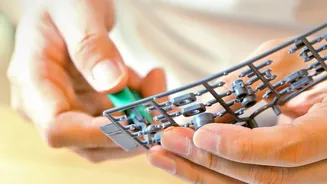
For years, India has been a powerhouse in chip design, with nearly 20% of the world's semiconductor design workforce, but has lacked manufacturing capabilities. This left the nation heavily dependent on imports for the chips that power everything from smartphones to defence systems. To address this strategic vulnerability, the government launched the India Semiconductor Mission (ISM) in 2021. Building on the initial phase, the government recently approved ISM 2.0 with a massive outlay of ₹1.27 lakh crore to support the entire ecosystem, including manufacturing, packaging, equipment, materials, and research. The goal is to capture a slice of a global market projected to hit $2 trillion and meet domestic demand expected to double from $100 billion to $200 billion.
A Reality Check on the Factory Floor
The language around India's chip story is finally changing from the future to the present tense. Under the first phase of ISM, 12 projects have been approved. Critically, three assembly and testing units in Sanand, Gujarat—operated by Micron, Kaynes, and CG Power—have already commenced commercial production this year. MeitY Secretary S Krishnan stated that five to six projects could be in commercial production by the end of 2026. This includes the highly anticipated Tata-Powerchip fab in Dholera, Gujarat, which aims to produce India's first locally fabricated silicon chip by December. SEMICON India 2026 provides a platform to showcase this on-ground success, shifting the narrative from potential to proven capability and boosting India's credibility as a serious manufacturing destination.
Tackling the Toughest Hurdles
The path to becoming a semiconductor hub is incredibly challenging. Chip fabrication plants, or fabs, are among the most complex manufacturing facilities in the world, requiring massive capital investment, uninterrupted power, and vast quantities of ultra-pure water. India still faces hurdles in infrastructure, a dependency on imported raw materials, and, most importantly, a shortage of skilled talent for the manufacturing floor. While India produces many engineers, very few have the specialized training for fabrication and precision equipment maintenance. Recognizing this, workforce development is a key focus of both ISM 2.0 and SEMICON India 2026, which features a dedicated pavilion and sessions on talent and skilling to bridge this critical gap.
What Success Looks Like
SEMICON India 2026 will be measured by more than just attendance. It's a crucial venue for forging partnerships and securing the next wave of investment. The presence of global equipment giants like ASML, Applied Materials, and Lam Research alongside major chipmakers offers a prime opportunity for deal-making that will fuel the newly launched ISM 2.0. The focus is not just on attracting more fabs, but on building out the entire supply chain—from specialty chemicals and gases to the complex machinery needed to run a fab. Announcements of new joint ventures, technology transfer agreements, and investments in the materials and equipment sector will be the key indicators of the event's success and the long-term health of India's chip-making journey.