




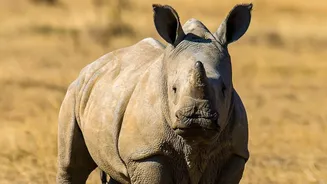
The Ghosts of the Terai
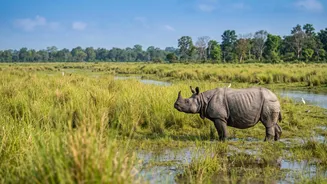
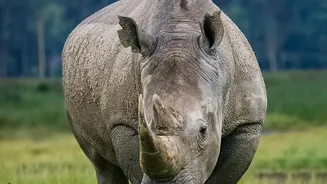
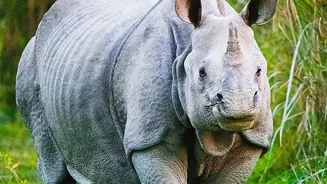
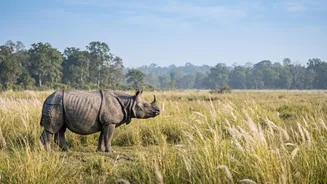
It is difficult to imagine the sprawling Terai grasslands of Uttar Pradesh without their most iconic mega-herbivore. Yet, for much of the 20th century, the greater one-horned rhinoceros was merely a ghost in this landscape. Widespread across the Gangetic
plains for millennia, the rhino was driven to local extinction here by the late 19th and early 20th centuries. Relentless hunting and the conversion of its grassland and wetland habitats for agriculture wiped out the last of these magnificent animals, with the final reported shooting in the region occurring in 1878. For decades, the swamps and grasslands fell silent, and the ecological engineer that once shaped this ecosystem was gone.
An Ambitious Homecoming
The idea to bring the rhinos back was audacious. In the late 1970s, conservationists identified Dudhwa as a prime candidate for reintroduction due to its suitable habitat. This culminated in one of India's most ambitious conservation experiments. In 1984, after careful planning, the first batch of rhinos embarked on a historic journey. Six rhinos were captured in Assam's Pobitora Wildlife Sanctuary and translocated to Dudhwa. The initial phase was fraught with challenges, including some mortalities due to the stress of transit and adaptation. To bolster the fledgling population and improve genetic diversity, four more female rhinos were brought from Nepal's Chitwan National Park in 1985, forming the crucial founder stock of seven animals.
A Fortress for a New Generation
For nearly four decades, the growing rhino population was managed within specially created, fenced-in Rhino Rehabilitation Areas (RRAs). This cautious approach was necessary to protect the animals from poaching, a constant threat given the park's proximity to the international border, and to prevent human-wildlife conflict. Inside these enclosures, the population slowly but surely grew. From the initial seven, the numbers climbed steadily, a testament to the protection offered by the forest department. This success led to the creation of a second RRA in the Belrayan range to prevent overcrowding and reduce the risks of inbreeding and disease that could devastate a single, concentrated population.
The Comeback in Numbers
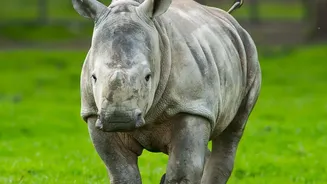
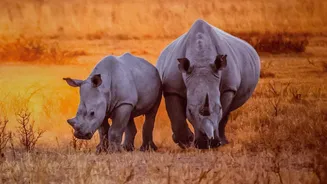
The latest census, conducted in June 2026, has brought celebratory news, confirming that the comeback continues. The population in Dudhwa Tiger Reserve has officially risen to 53 individuals, including 17 adult males, 25 adult females, and 11 calves. This marks a net increase of five rhinos, a significant achievement even with natural mortalities from territorial fights and predation by tigers. The seven founder animals have now multiplied more than sevenfold. This makes Uttar Pradesh one of only three states in India, alongside Assam and West Bengal, to host a wild population of this vulnerable species, solidifying Dudhwa's status as a critical stronghold.
A Step into the Wild
The ultimate goal of the project has always been to establish a free-ranging, self-sustaining population. In a major leap forward, the forest department, with support from organisations like WWF-India, began releasing rhinos from the enclosures into the park's core habitat. Starting in late 2024 and continuing through March 2026, a total of 11 rhinos have been carefully selected, fitted with radio collars, and set free. This move not only expands their habitat and improves genetic exchange but also enhances the wild character of Dudhwa, with park officials noting increased sighting opportunities for tourists. A dedicated team now monitors these animals around the clock, tracking their movements to ensure they adapt well to their newfound freedom.