






The Invisible Assailant in Every Breath
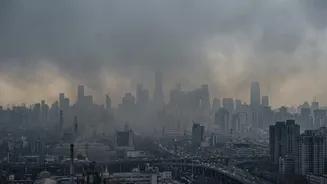
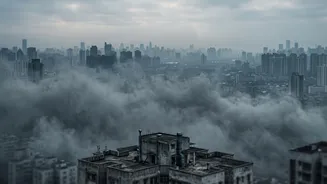
The primary culprit in Delhi's toxic air is a microscopic menace known as PM2.5. These are fine particulate matter, less than 3% of the width of a human hair, released from vehicle exhaust, industrial emissions, construction dust, and seasonal crop burning.
Because of their minuscule size, they bypass the body’s natural defences like nose hair and mucus, travelling deep into the lungs and even entering the bloodstream. The International Agency for Research on Cancer (IARC), a part of the WHO, classifies outdoor air pollution and PM2.5 as Group 1 carcinogens—the same category as tobacco smoke and asbestos. Delhi's annual PM2.5 levels often hover at nearly 18 times the WHO's recommended guideline, making every breath a potential gamble with one's health.
A Smoker's Lungs, Without the Cigarettes
For decades, lung cancer was considered a smoker's disease. That is no longer the case in Delhi. Doctors report a frightening surge in lung cancer and other severe respiratory ailments among lifelong non-smokers. One study highlighted that while non-smokers accounted for just 10% of lung cancer cases in 1988, that figure has jumped to 50% in recent years. Alarming data shows that among patients under 50, a staggering 70% are non-smokers. The science now explains why: exposure to PM2.5 triggers chronic inflammation in the lungs. This inflammation can 'awaken' dormant, naturally-occurring cells with cancer-causing mutations, encouraging them to grow and form tumours—a mechanism eerily similar to the damage inflicted by smoking.
From a Persistent Cough to a Dire Diagnosis
The health impact of Delhi's air isn't limited to cancer. For residents, the effects can range from immediate, short-term symptoms to chronic, life-altering diseases. Short-term exposure leads to eye irritation, persistent coughs, headaches, and difficulty breathing. Over the long term, this cumulative exposure is a primary driver of Chronic Obstructive Pulmonary Disease (COPD), even in non-smokers. This progressive disease, which includes chronic bronchitis, makes it harder to breathe over time. Studies show that long-term exposure to PM2.5 can increase the risk of developing COPD by up to 30%. Doctors on the front lines report that a persistent cough in a Delhi non-smoker is no longer a simple anomaly but a potential sign of serious underlying damage.
A City's Changing Patient Profile
The demographics of lung disease in the capital are shifting dramatically. Chest surgeons now observe black, carbon-deposited lungs not just in elderly smokers, but in young adults, teenagers, and women who have never touched a cigarette. A specific type of cancer called adenocarcinoma is becoming increasingly common, which medical experts link more closely to environmental pollutants than smoking. Women are emerging as a particularly vulnerable group, partly due to factors like exposure to indoor pollution from cooking fuels, but also because their bodies may be more susceptible to the effects of pollutants. The rise in cases among younger people and women underscores a grim reality: in a city like Delhi, your environment has become as significant a risk factor as your personal habits.
More Than Just the Lungs
While the lungs are ground zero for air pollution's assault, the damage doesn't stop there. Because PM2.5 particles can enter the bloodstream, they wreak havoc across the entire body. Scientific studies have linked exposure to these pollutants with a host of other serious health problems, including nonfatal heart attacks, irregular heartbeat, strokes, and even dementia. The constant inflammation triggered by pollution puts the cardiovascular system under immense strain, increasing the risk of fatal heart events. This systemic impact means that the air quality crisis is not just a respiratory issue; it's a full-blown public health emergency affecting nearly every aspect of a resident's well-being.