





A New Maritime Vision
At the heart of this transformation is the Maritime India Vision 2030, a comprehensive government blueprint aimed at revolutionizing the country's maritime sector. A key pillar of this vision is to elevate India into a top-tier cruise destination for both
ocean and river voyages. The government has launched ambitious initiatives like the 'Cruise Bharat Mission' with the goal of increasing cruise passenger traffic from nearly half a million to over 1.5 million by 2030 and potentially 4 million in the following years. This involves a coordinated effort across various ministries to streamline policies, enhance security, and create a seamless experience for cruise operators and tourists alike.
Upgrading the Gateways to India
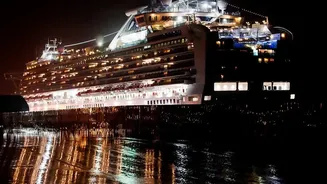
The most visible part of this strategy is the massive investment in port infrastructure. For years, Indian ports were primarily seen as cargo hubs, not passenger gateways. That is now changing. Six major ports—Mumbai, Goa (Mormugao), Kochi, Chennai, New Mangalore, and Visakhapatnam—are being developed into international cruise hubs. The recently inaugurated Mumbai International Cruise Terminal, a sprawling facility costing millions, can handle over a million passengers annually and up to five large ships simultaneously. Similarly, new and upgraded terminals are becoming operational in Chennai, Visakhapatnam, and a state-of-the-art, eco-friendly terminal is set to open in Goa by March 2025, which saw a 40% rise in cruise passengers in the last season.
More Than Just Ports
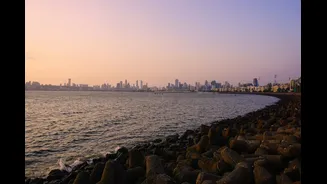
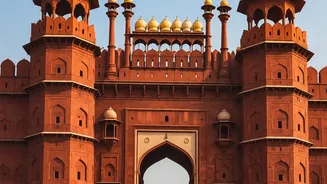
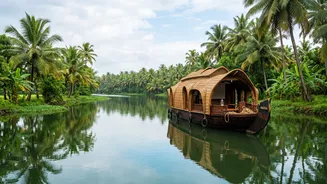
The strategy extends well beyond the docks. Recognizing that the onboard experience is only half the journey, tourism authorities are working to improve last-mile connectivity from ports to key attractions. This includes creating dedicated task forces at nine major cruise destinations to coordinate everything from transportation to local excursions. For travellers, this means easier access to everything from the historic forts of Goa to the bustling markets of Mumbai and the serene backwaters of Kerala. Domestic cruise circuits are also being aggressively promoted, with routes like Mumbai-Goa-Lakshadweep and Chennai-Visakhapatnam gaining popularity, allowing Indians to explore their own coastline in a new way.
The Economic Ripple Effect
The economic potential driving this push is immense. Projections suggest the cruise sector could contribute over ₹35,000 crore to the Indian economy and create approximately 2.5 lakh jobs in the coming years. Each cruise ship call brings a significant influx of spending, as passengers disembark for city tours, shopping, and dining, injecting foreign exchange directly into local economies. This growth supports a wide range of ancillary industries, from hospitality and transportation to local artisans and guides. Furthermore, the development of world-class port facilities benefits local communities by improving overall urban connectivity and public amenities.
Navigating Future Challenges
Despite the momentum, the path to becoming a top cruise hub has its challenges. Industry experts point to the need for continued infrastructure development, not just at the ports but also in terms of quality accommodation and inland transport. Ensuring environmental sustainability, especially along sensitive coastal areas and inland waterways, is another critical consideration. There is also the challenge of competing with established Asian cruise hubs like Singapore. However, with simplified e-visa processes for five major seaports and a clear policy direction, the administration is actively working to lower these barriers and make India an attractive and competitive destination for global cruise lines.