



First, The All-Important Patch Test
Natural doesn't always mean safe for every skin type. Ingredients like lemon or even cinnamon can cause irritation, and you could have an unknown allergy. A patch test is a simple way to check how your skin will react before applying a mask to your entire
face. To perform one, apply a small amount of the prepared mask to a discreet area, like the inside of your elbow or behind your ear. Leave it on for the duration specified in the mask recipe, or for at least 15-20 minutes. Some dermatologists recommend leaving it for 24 hours to check for delayed reactions. If you experience any redness, itching, burning, or other irritation, wash the area immediately and do not use the mask.
1. The Classic Turmeric & Gram Flour Ubtan
A staple in Indian bridal beauty rituals, this 'ubtan' is celebrated for its cleansing and brightening properties. Gram flour (besan) acts as a gentle exfoliant, removing dead skin cells and impurities, while turmeric contains curcumin, an antioxidant and anti-inflammatory compound that is believed to impart a natural glow. To make it, mix two tablespoons of gram flour with half a teaspoon of turmeric powder. Add enough milk or plain yogurt to form a smooth, spreadable paste. Apply to your face and neck, let it dry for about 15-20 minutes, and rinse with lukewarm water.
2. The Yogurt & Honey Hydrating Glow Mask
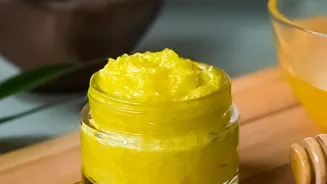
This mask is perfect for when your skin feels dull and dehydrated. Yogurt contains lactic acid, a gentle alpha-hydroxy acid (AHA) that helps dissolve dead skin cells, revealing smoother and brighter skin underneath. Honey is a natural humectant, meaning it draws moisture into the skin, leaving it feeling soft and plump. For this simple yet effective mask, combine two tablespoons of thick, plain yogurt with one tablespoon of raw honey. Mix well and apply a thin layer to clean skin. Leave it on for 15 minutes before rinsing off.
3. The Papaya Enzyme Brightener
Papaya is rich in an enzyme called papain, which works as a natural exfoliant. It helps to gently break down and remove dead skin cells from the surface, which can help reduce the appearance of dark spots and even out skin tone. This results in a fresher and more radiant complexion. To try it, simply mash a few cubes of ripe papaya into a smooth pulp. You can apply this directly to your face or enhance it with a teaspoon of honey for extra hydration. Let it sit for about 10-15 minutes, then rinse thoroughly.
4. The Soothing Sandalwood & Rose Water Pack
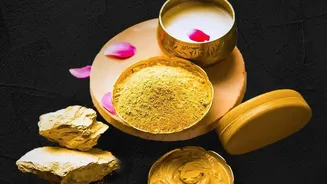
Sandalwood has been used for centuries in Ayurvedic skincare for its soothing and cooling properties. It's known to calm irritated skin and is believed to help even out skin tone. Rose water complements it perfectly by hydrating and toning the skin. To create this calming paste, mix one tablespoon of pure sandalwood powder with enough rose water to achieve a smooth consistency. Apply the pack to your face and neck and relax for 15 minutes before washing it off with cool water. This mask is particularly refreshing for tired or stressed skin.
5. The Oatmeal & Milk Calming Mask
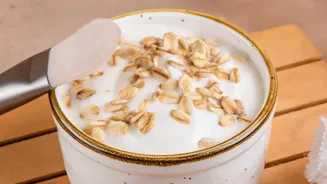
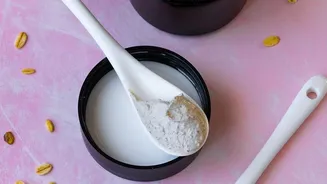
If your skin is sensitive or prone to redness, an oatmeal mask can be a gentle and effective choice. Oatmeal contains compounds that are known for their anti-inflammatory and soothing properties, helping to calm irritation. When mixed with milk, which provides gentle lactic acid and lipids, it creates a nourishing and comforting treatment. Finely grind a quarter cup of plain oats in a blender. Mix the oat powder with enough milk to form a paste. Apply it to your face, leave it on for 10-15 minutes, and then gently rinse it off.
6. The Tomato Pulp Astringent Mask
Tomatoes are rich in antioxidants like lycopene and vitamin C, which are beneficial for skin health. Due to their natural astringent properties, they are often used in DIY remedies for oily and combination skin to help tighten pores and balance excess sebum. The pulp can also provide a mild brightening effect. For this mask, simply pulp half a ripe tomato and apply the juice and pulp directly to your face, avoiding the eye area. Leave it on for about 15 minutes until it feels dry, then rinse with water. It can be a bit messy, so be prepared!
7. The Lentil (Masoor Dal) & Milk Exfoliator
Red lentils, or masoor dal, are a popular ingredient in homemade scrubs and masks due to their exfoliating texture. When ground, they can help slough away dead skin, leaving the skin feeling smoother and looking brighter. To prepare this mask, soak two tablespoons of red lentils in water overnight. In the morning, grind them into a thick paste, adding a little milk if needed to adjust the consistency. Apply this to your face and let it dry for about 20 minutes. When rinsing, you can gently massage your skin in circular motions for added exfoliation.