

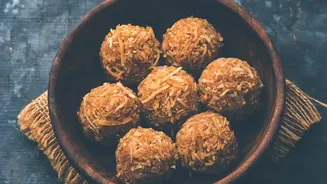
The Comforting Tradition of Winter Sweets
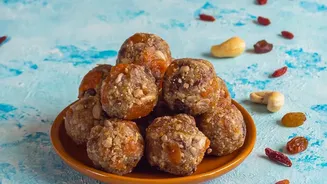
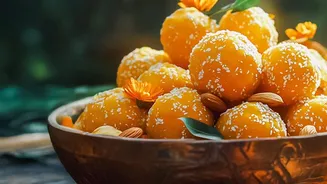
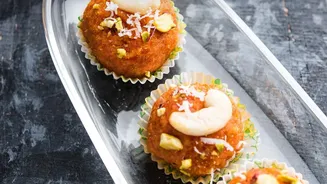
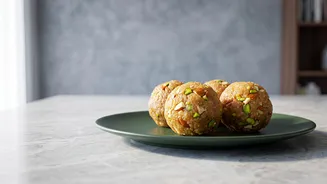
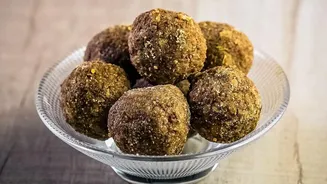
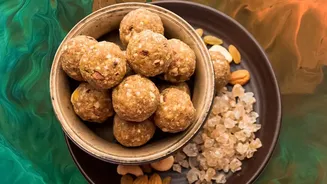
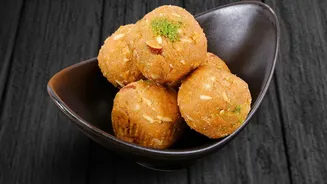
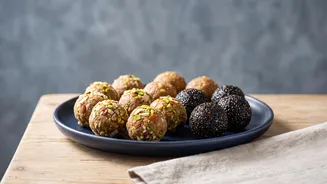
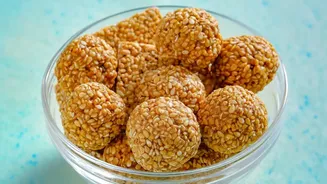
The moment there’s a nip in the air, large containers of homemade ladoos appear in many Indian homes. Varieties like Gond ke Ladoo, Panjiri, and Til Ladoo are not just sweets; they are a cherished part of our culture. Passed down through generations,
these recipes are synonymous with winter, comfort, and the care of a grandmother’s hands. Traditionally, these aren't seen as mere indulgences. They are considered essential winter foods, crafted to provide warmth, boost immunity, and increase energy during the colder months. Ingredients like edible gum (gond), ghee, whole wheat flour, and nuts are chosen for their reputed warming and strengthening properties, rooted in Ayurvedic principles. This is why parents often encourage children to have one in the morning, and they are especially recommended for new mothers to aid recovery.
The 'Healthy' Ingredients Deconstructed
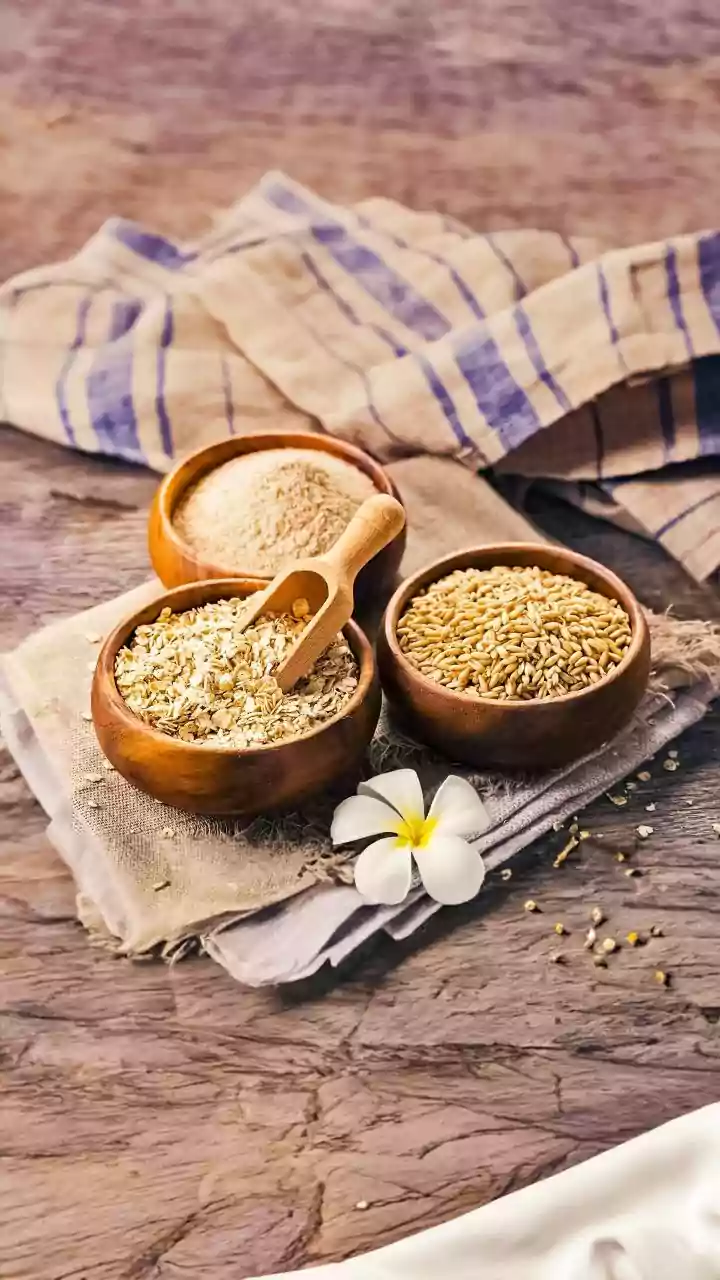
The belief in the health benefits of winter ladoos stems from their wholesome ingredients. Ghee, or clarified butter, is a source of healthy fats and is believed to aid digestion. Dry fruits like almonds, cashews, and walnuts are packed with protein, vitamins, and minerals. Edible gum, or gond, is traditionally valued for strengthening bones and joints. Many recipes use jaggery instead of refined sugar, which provides minerals like iron and magnesium. Other common ingredients include sesame seeds (til), which are rich in calcium and healthy fats, and whole wheat flour, which adds fibre. Individually, each of these components offers significant nutritional benefits, contributing to the idea that the final product is a powerhouse of wellness.
The Myth of Ladoo as 'Medicine'
While the individual ingredients are nutritious, the perception of the ladoo as a form of 'medicine' is a myth. The preparation method combines these ingredients into a highly concentrated form. The process involves roasting in generous amounts of ghee and binding with a significant quantity of sugar or jaggery. This creates a product that is extremely dense in calories. One single ladoo can contain anywhere from 180 to over 230 calories, depending on its size and ingredients. A nutrition analysis shows that a typical ladoo's calories come almost equally from carbohydrates (sugar) and fats (ghee and nuts), with a much smaller contribution from protein. Relying on ladoos as a primary source of nutrients like protein or calcium is inefficient given the high calorie and sugar cost. For instance, you would need to consume a very high number of calories from ladoos to get the same protein as from a simple egg or a bowl of dal.
Reality: A Potent Energy Bomb
The headline gets it right: these ladoos are fundamentally energy-dense sweets. They were designed for a different era, one with more physically demanding lifestyles and less effective home heating. In that context, a high-calorie, warming food made perfect sense as a daily supplement. Today, however, with more sedentary lives, such a dense calorie source is not a daily necessity for most people. The combination of high fat from ghee and nuts, and high sugar from jaggery or sucrose, makes it an 'energy bomb'. While jaggery is often seen as a healthier alternative to sugar, its impact on blood sugar levels is quite similar. Therefore, even jaggery-based ladoos should be considered a sweet treat. They provide a quick and substantial energy boost, which is why they are great snacks but not a 'health food' to be consumed without thought to portion size.
Finding a Place for Tradition in a Modern Diet
This doesn't mean you should banish winter ladoos from your kitchen. It simply calls for a shift in perspective. Instead of viewing them as a mandatory health supplement, we can appreciate them for what they are: a delicious, culturally significant, and energy-giving treat. The key is moderation. Enjoying a ladoo once in a while, perhaps after a meal or as a morning snack, is perfectly fine. Being mindful of portion size is crucial, especially for those watching their weight or managing conditions like diabetes. You can also make healthier versions at home by reducing the amount of ghee and jaggery, and increasing the proportion of nuts and seeds to boost fibre and protein. Ultimately, these sweets connect us to our heritage and bring comfort during winter, and they can absolutely be part of a balanced diet when enjoyed mindfully.