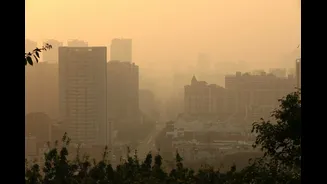








More Than a Seasonal Nuisance
For many residents of Delhi, the annual smog has become a grimly accepted part of life. Yet, medical experts insist that viewing this as a temporary inconvenience is a dangerous mistake. The health crisis, they argue, is not just about the acute symptoms
felt during peak pollution days; it's a continuous assault on the body. The pollutants inhaled today contribute to chronic diseases that develop over years. Doctors are witnessing a surge in patients whose conditions are worsening and even new patients with no prior history of respiratory illness. The fine particulate matter, known as PM2.5, is the primary culprit. These particles are so microscopic—about 30 times smaller than a human hair—that they bypass the body's natural defences, penetrating deep into the lungs and entering the bloodstream. From there, they can travel to and damage virtually any organ system.
The Devastating Toll on Lungs and Heart
The most direct impact of polluted air is on the respiratory system. Prolonged exposure is definitively linked to chronic conditions like asthma, bronchitis, and chronic obstructive pulmonary disease (COPD). Doctors warn that breathing Delhi's toxic air is comparable to being a chronic smoker, causing irreversible lung damage. This is especially dangerous for children, whose lungs are still developing. Studies have found that millions of children in Delhi may already have compromised lung function due to air quality. However, the damage doesn't stop at the lungs. Once PM2.5 enters the bloodstream, it triggers inflammation and oxidative stress throughout the cardiovascular system. This increases blood pressure, makes blood more prone to clotting, and accelerates atherosclerosis (the hardening of arteries). Over time, this significantly elevates the risk of heart attacks, strokes, and heart failure, making air pollution a major, modifiable risk factor for cardiovascular death in India.
A Silent Threat to the Brain
Perhaps most insidiously, emerging research reveals a strong connection between air pollution and neurological damage. The same fine particles that ravage the heart and lungs can also cross the blood-brain barrier, a protective filter that normally shields the brain from toxins. Neurologists in Delhi report a significant rise in patients with pollution-triggered migraines, dizziness, and cognitive complaints like 'brain fog'. The long-term consequences are even more alarming. Studies suggest that chronic exposure to PM2.5 can accelerate cognitive decline and is linked to a higher risk of developing devastating neurodegenerative diseases like Alzheimer's and Parkinson's disease. For children, the stakes are even higher, as exposure can impair brain development, attention, and memory.
Cancer, Immunity, and What You Can Do
Beyond the lungs, heart, and brain, doctors warn that air pollution is a known carcinogen. The toxic particles can increase the risk of not only lung cancer (even in non-smokers) but also cancers of the bladder and other organs. It also weakens the body's overall immune system, making individuals more susceptible to infections. While the scale of the problem is daunting, experts stress that personal protective measures are crucial. They advise monitoring the Air Quality Index (AQI) daily and limiting strenuous outdoor activities when levels are 'Poor' or worse. Wearing a well-fitted N95 mask can provide a barrier against particulate matter when going outside is unavoidable. Improving indoor air quality with purifiers is also recommended, as pollution seeps into homes and offices. These steps, while not a solution to the crisis, can help reduce individual exposure and mitigate some of the long-term harm.