








The Mission of 'Arrival'
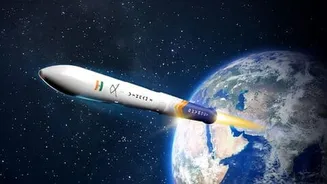
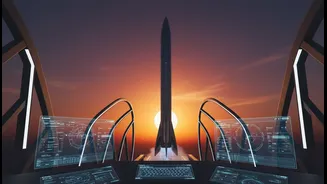
Sometime between mid-July and early August 2026, all eyes will turn to Sriharikota as India’s first privately built orbital rocket, Vikram-1, attempts its maiden flight. Developed by Hyderabad-based startup Skyroot Aerospace, the mission is aptly named
'Aagaman', Sanskrit for 'arrival'. This isn't just the arrival of a new rocket, but the potential arrival of India as a serious contender in the global commercial launch market. The seven-storey-tall rocket is designed to deliver small satellites, weighing up to 350 kg, into Low Earth Orbit. While the flight will carry payloads for a mix of domestic and international customers, its primary goal is far more critical: to gather real-world flight data that can't be replicated on the ground. For Skyroot and the entire ecosystem, this launch is the ultimate validation of their technology and ambition.
Why Orbit is the Real Hurdle
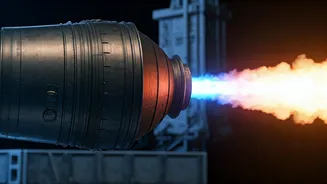
Indian private firms have tasted space before, but this is different. In 2022, Skyroot’s Vikram-S became the first private rocket to be launched from Indian soil, but it was a sub-orbital flight—a brief hop up and down that reached the edge of space. Achieving orbit is a monumental leap in complexity. It requires not just climbing to a high altitude, but also gaining immense horizontal velocity—around 28,000 km/h—to continuously fall around the Earth without hitting it. This is the 'orbital test' in the truest sense. It demands flawless performance from multi-stage propulsion systems, precise guidance and control, and successful stage separation, all while enduring extreme temperatures and vibrations. A single anomaly can mean mission failure. That’s why the data from this first flight is considered more valuable than mission success itself, as it will inform all future commercial launches.
A New Generation of Spacetech
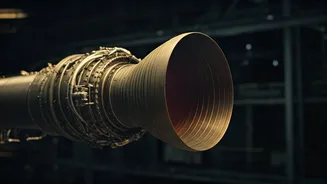
Skyroot Aerospace, founded by former ISRO engineers, is at the forefront of a burgeoning private space industry in India. The company became the country’s first space-tech unicorn after a significant funding round and is pioneering technologies like all-carbon composite structures and 3D-printed components to build rockets faster and more cost-effectively. But they aren’t alone. Chennai-based Agnikul Cosmos is another key player, famous for its fully 3D-printed, semi-cryogenic engine and its own private launchpad. Together with dozens of other startups focusing on everything from satellite manufacturing to space situational awareness, these companies are building a vibrant ecosystem that was unthinkable just a decade ago. This shift has been enabled by government reforms and the establishment of IN-SPACe, a single-window agency to promote and regulate private space activities.
The Commercial Space Race
A successful Vikram-1 launch would do more than prove a rocket's capability; it would signal India's readiness to capture a larger slice of the multi-billion dollar global space economy. The small satellite launch market is booming, driven by demand for Earth observation, communications, and internet constellations. Currently, this market is dominated by global giants like SpaceX. For satellite operators, especially smaller ones, getting a dedicated, timely, and affordable ride to a specific orbit is a major challenge. Indian startups aim to fill this gap, offering what Skyroot calls a 'cab to space' service—flexible and on-demand launches. By demonstrating reliable and low-cost launch services, India's private sector could attract a significant share of international customers, aligning with the national goal of growing its space economy to $44 billion by 2033.