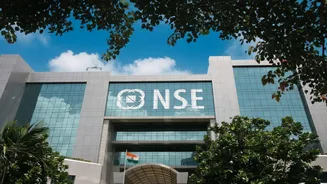










The Behemoth of Dalal Street
To understand the significance of this IPO, one must first appreciate the NSE's sheer dominance. Established in 1992, it revolutionised Indian finance by introducing electronic trading, transforming a physical outcry system into a modern, accessible marketplace.
Today, it is the undisputed leader, handling the vast majority of cash market trading and boasting a near-monopoly in the equity derivatives segment. The Nifty 50, its flagship index, is the benchmark for the Indian economy, tracking the country's largest corporations. The NSE is not just a company; it is the core infrastructure of India's capital markets, ranking as the world's most active derivatives exchange by volume and serving over 129 million unique registered investors. A public listing would allow investors, for the first time, to own a piece of the very engine that drives Indian finance.
A Decade-Long Road to Listing
The path to this IPO has been long and fraught with challenges. The NSE first filed for a public offering in 2016, but the plan was repeatedly stalled by the market regulator, the Securities and Exchange Board of India (SEBI). The primary roadblock was a series of governance concerns, most notably the co-location controversy, where allegations surfaced that the exchange provided preferential server access to certain brokers. This and other regulatory issues kept the IPO in limbo for years, as SEBI mandated significant improvements in governance and compliance before it would grant approval. In February 2026, after years of remediation and multiple representations, the NSE's board finally approved the IPO proposal following a no-objection certificate from SEBI, paving the way for the current process. The exchange has since filed its draft prospectus in June 2026, marking the most concrete step towards the listing in a decade.
Unlocking Unprecedented Value
The numbers surrounding the NSE's IPO are staggering. Current estimates peg the issue size at around ₹30,000 crore, which would make it India's largest-ever public offering, surpassing the recent record set by Hyundai Motor India. The IPO is expected to value the exchange at over ₹5 lakh crore, instantly placing it among the country's most valuable listed companies. The offering is structured as a complete Offer for Sale (OFS), meaning the exchange itself will not raise fresh capital. Instead, existing shareholders—a mix of domestic banks like State Bank of India, insurance companies, and global investors like Canada Pension Plan Investment Board and Temasek—will sell a collective stake of around 6%. This provides a massive liquidity event for these long-term investors and finally opens the door for retail participants to invest in the market's key institution.
A New Chapter of Transparency
Beyond the financial windfall, the listing is seen as a crucial step towards greater transparency and corporate governance. Becoming a publicly traded entity subjects a company to rigorous disclosure norms and constant public scrutiny. For the NSE, this would represent a definitive move away from the shadow of past governance issues. The discipline of the public market is expected to enforce higher standards of accountability, providing greater comfort to both domestic and international investors. While regulatory risks and potential changes to trading rules remain factors to watch, the IPO itself is a catalyst for change. It signifies the transformation of a vital market institution into a publicly-owned entity, aligning its interests more closely with the broader market it serves and setting a new benchmark for financial infrastructure companies in India.