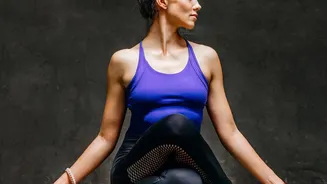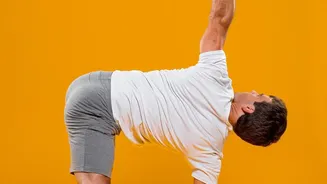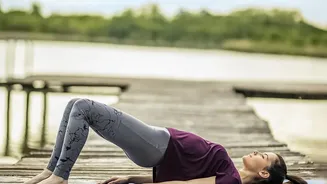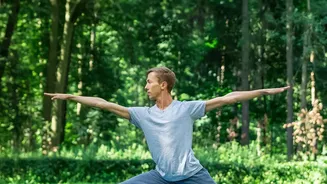





What Makes Yoga 'Gentle'?
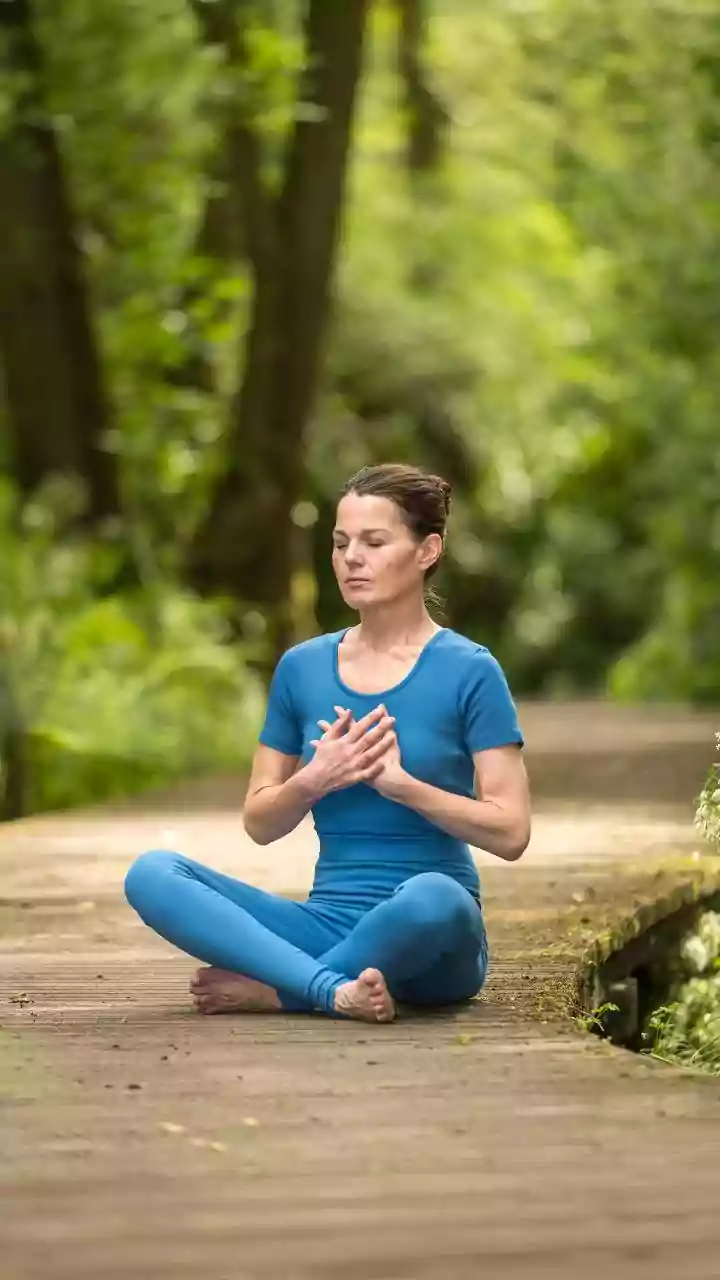
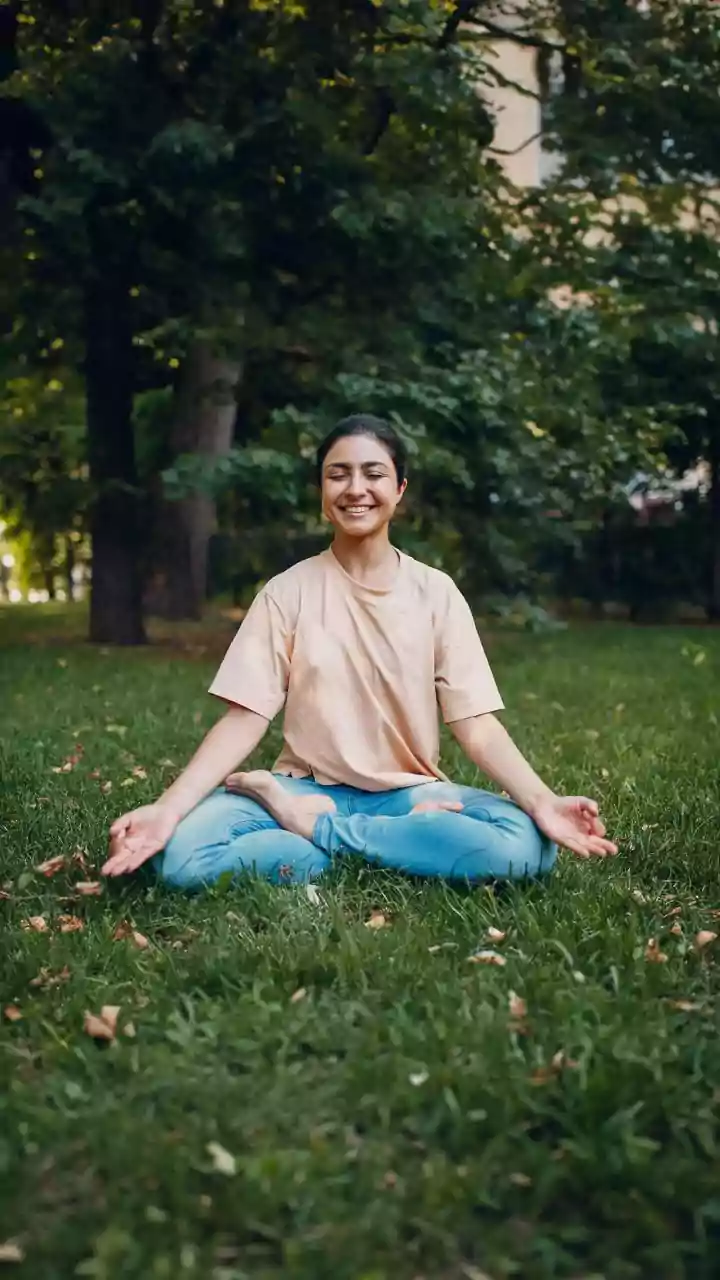
Unlike fast-paced Vinyasa or power yoga, gentle yoga focuses on slow, mindful movements. The goal isn't to break a sweat or master complex poses, but to connect with your body through light stretching, simple postures, and conscious breathing. Think of
it as a way to gently awaken your muscles, release tension, and calm your nervous system. This style is ideal for beginners, individuals with limited mobility, or anyone seeking a restorative practice to complement a more active lifestyle. It’s designed to be comfortable and safe, encouraging movement without strain.
Benefits Beyond the Mat
The rewards of a gentle yoga practice extend far beyond improved flexibility. Regular sessions, even short ones, can significantly reduce stress and promote relaxation. By focusing on your breath and body, you shift attention away from daily worries, which can help quiet the mind and improve sleep quality. Studies show that yoga is an effective tool for managing stress, easing anxiety, and even alleviating symptoms of low back pain. It also improves body awareness and posture, helping to counteract the effects of sitting at a desk all day. The practice encourages better self-care and a more mindful approach to your overall well-being.
Three Simple Poses to Start Today
You don’t need any special equipment to begin. These foundational poses can be done on a mat, a rug, or even a carpeted floor. 1. Cat-Cow Pose: Start on your hands and knees, with wrists under your shoulders and knees under your hips. As you inhale, let your belly drop and look up, creating an arch in your back (Cow). As you exhale, round your spine toward the ceiling and tuck your chin to your chest (Cat). This movement gently warms up the spine and improves flexibility. 2. Child's Pose: From your hands and knees, sit back so your hips rest on your heels, and fold your torso forward, resting your forehead on the floor. Your arms can be stretched out in front of you or rest alongside your body. This is a resting pose that gently stretches the hips, thighs, and back. 3. Lying Down Spinal Twist: Lie on your back and bring your knees into your chest. Extend your arms out to the sides in a 'T' shape. Gently let both knees fall to one side, keeping your shoulders on the floor. Hold for a few deep breaths, then repeat on the other side. This pose helps release tension in the spine and back.
Fitting Yoga Into Your Existing Routine
The key to building a sustainable habit is to start small and connect it to something you already do. This is often called 'habit stacking'. Instead of trying to find a new 30-minute slot in your day, try a five-minute routine. You can practice a few Cat-Cow stretches right after you get out of bed or while you wait for your morning coffee to brew. A few standing poses can serve as a much-needed break from your desk during the workday. An evening practice focused on gentle stretches and deep breathing can help you unwind before bed and prepare for a restful sleep. Remember, consistency is more important than duration. A few minutes of mindful movement each day is more beneficial than one long session per week.
Yoga as a Complement, Not a Competitor
If you already have a fitness routine you love, like running, swimming, or weightlifting, gentle yoga can be a powerful complement. It aids in muscle recovery by increasing blood flow and gently stretching tissues that may feel tight after a workout. This helps reduce soreness and prevent injuries by improving your range of motion and joint flexibility. It also offers a mental balance to high-intensity training, helping to reduce stress and improve focus. Think of it not as another workout, but as a restorative practice that supports all your other wellness goals.