




First, Assess Your Light Source
Before you even think about which plant to buy, get to know your windows. The direction a window faces determines the intensity and duration of sunlight it receives, which is the single most important factor for a plant's health. North-facing windows offer
the least light, providing soft, indirect sun. East-facing windows get gentle morning sun. West-facing windows receive strong afternoon light, which can be hot. South-facing windows provide bright, direct sun for most of the day, making them the sunniest spot in your home. Taking a moment to identify your window direction is the foundation of successful plant parenting.
For North-Facing Windows: Low-Light Champions
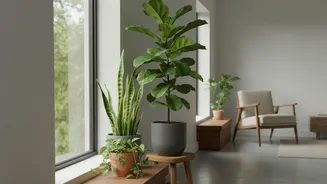
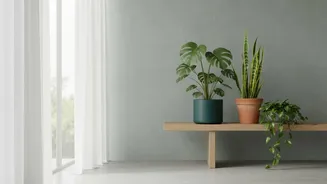
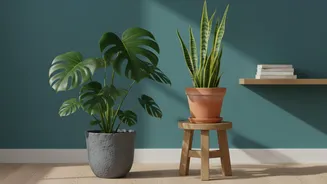
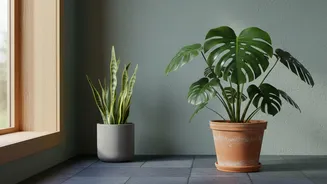
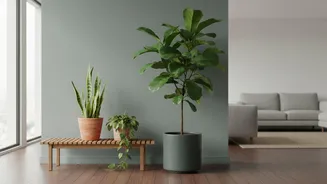
North-facing windows are perfect for plants that thrive in lower light conditions, mimicking a forest floor. Don't mistake 'low-light' for 'no-light'; these spaces still receive enough ambient light for certain plants to flourish. The undisputed champions here are the Snake Plant (Sansevieria) and the ZZ Plant (Zamioculcas zamiifolia). Both are famously resilient, tolerate infrequent watering, and have a strong vertical presence that works well in corners. The versatile Money Plant (Pothos) is another excellent choice, as its trailing vines can grow happily in the soft light of a northern exposure.
For East-Facing Windows: Gentle Morning Sun
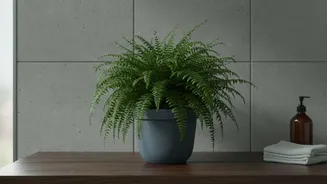
An east-facing window offers the best of both worlds: bright, but not harsh, light. The morning sun is less intense than afternoon rays, making this spot ideal for a wide variety of popular houseplants that might get scorched elsewhere. Plants like the elegant Peace Lily, with its glossy leaves and white blooms, thrive here. Ferns, which love humidity and filtered light, also do exceptionally well. This is also a great location for many flowering plants like African Violets or certain types of Orchids that appreciate the bright, indirect light without the stress of direct sun.
For West-Facing Windows: Bright Afternoon Glow
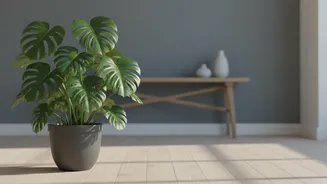
Plants in a west-facing window need to be able to handle several hours of direct, and often warm, afternoon sun. This is a good spot for plants with more robust or colourful foliage. The popular Fiddle Leaf Fig can do well here, as long as it's not pressed against hot glass. The Areca Palm adds a tropical feel and can handle the brightness, while the Rubber Plant (Ficus elastica) develops deep, rich colour in these conditions. Many succulents and cacti that enjoy bright light but not the all-day intensity of a south window also find a happy home here.
For South-Facing Windows: The Sun Worshippers
A south-facing window is a sunbather's paradise, offering bright, direct light for a large portion of the day. This is the place for true sun-loving plants. Cacti and most succulents, like Aloe Vera and Jade Plants, will thrive in this environment. These plants are adapted to arid conditions and need this high level of light to prevent stretching and to maintain their compact shape. A String of Pearls or other trailing succulents can create a stunning waterfall of greenery when hung in a sunny south-facing window.
Now, Consider Your Available Space
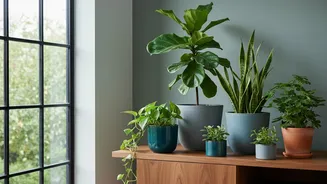
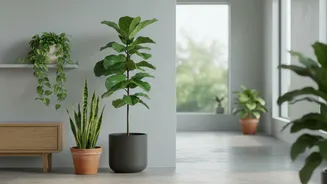
Once you know your light, look at your space. Do you have an empty corner that needs a tall, statement plant? Or are you looking to liven up a small bookshelf? For large floor spaces, consider an Areca Palm or a larger Snake Plant. For smaller shelves or desks, compact options like a ZZ Plant, a small Jade Plant, or an Aloe Vera are perfect. Don't forget to look up. Trailing plants like a Money Plant or Spider Plant are ideal for hanging baskets or placing on a high shelf, saving valuable floor and surface space while adding a lush, green feel to the room.