





Low-Calorie, High-Impact Players
For anyone keeping an eye on calories, both zucchini and mushrooms are star players. They are overwhelmingly composed of water, making them incredibly low in calories and ideal for adding volume to meals without tipping the scales. A medium zucchini contains
around 33 calories, while a similar portion of mushrooms has even fewer. Where they begin to differ is in their macronutrient composition. Zucchini typically offers more dietary fiber per serving, which is crucial for healthy digestion and feeling full. Mushrooms, on the other hand, tend to have a slightly higher protein ratio for their weight, making them a favorite for adding a meaty texture and a small protein boost to plant-based dishes. Both are exceptionally low in fat and sugar, solidifying their status as wholesome additions to any plate.
The Vitamin Verdict
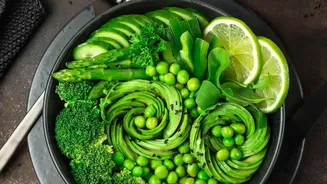
This is where the unique strengths of each vegetable truly shine. Zucchini is a powerhouse of Vitamin C, an essential antioxidant that supports the immune system and helps the body absorb iron. It is also a fantastic source of Vitamin A and compounds like beta-carotene, which are vital for vision and skin health. Mushrooms, however, bring a completely different set of vitamins to the table. They are packed with B vitamins like riboflavin and niacin, which are critical for energy production and maintaining a healthy nervous system. But their most unique feature is their ability to produce Vitamin D, a nutrient rare in the vegetable kingdom. When exposed to sunlight or UV lamps, mushrooms can generate significant amounts of Vitamin D2, which is essential for bone health and immune function. Zucchini contains virtually no Vitamin D, giving mushrooms a distinct edge in this category.
A Mineral Masterclass
The mineral content further proves that these two are more complementary than competitive. Zucchini is particularly rich in potassium, a mineral that helps regulate blood pressure and fluid balance. A single medium zucchini can provide over 10% of your daily potassium needs. It also contributes magnesium and manganese, which are important for bone health and metabolism. Mushrooms are nutritional heroes for different minerals. They are an excellent source of selenium, a powerful antioxidant that helps protect cells from damage and supports thyroid function. Furthermore, mushrooms deliver a healthy dose of copper, which is necessary for creating red blood cells and keeping nerve cells healthy. You'll find some iron in both, but mushrooms, particularly oyster mushrooms, often have a slight advantage.
Beyond the Basics: Unique Antioxidants
Beyond the standard vitamins and minerals, both vegetables contain special compounds with significant health benefits. Zucchini is loaded with carotenoids, specifically lutein and zeaxanthin. These antioxidants are famous for their role in protecting eye health, filtering harmful blue light, and potentially reducing the risk of age-related eye conditions like macular degeneration and cataracts. Mushrooms are champions of a different class of antioxidants, most notably ergothioneine, sometimes called the 'longevity nutrient'. This potent compound helps fight cellular damage throughout the body, and mushrooms are one of the richest dietary sources available. They also contain polysaccharides like beta-glucans, which act as prebiotics to stimulate the growth of healthy gut bacteria and support a robust immune system.
The Best Choice Is Both
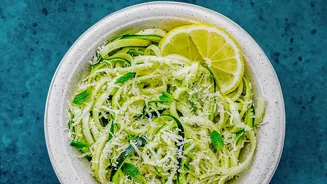
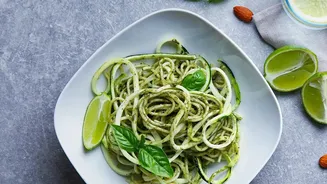
Ultimately, the debate over mushrooms versus zucchini has no clear winner because they aren't truly competing. Zucchini brings Vitamin C, potassium, and eye-healthy carotenoids to your diet. Mushrooms offer a unique profile of B vitamins, selenium, gut-friendly prebiotics, and the rare plant-based source of Vitamin D. Rather than choosing one over the other, the smartest nutritional strategy is to embrace both. Use zucchini noodles as a low-carb pasta substitute, grill mushroom caps as a meaty burger alternative, or sauté them together for a side dish that delivers a wide spectrum of nutrients. Their different textures and mild flavors make them incredibly versatile in the kitchen, from stir-fries and soups to salads and roasts. By incorporating both into your regular meal rotation, you ensure you’re getting the distinct and valuable benefits each has to offer.