
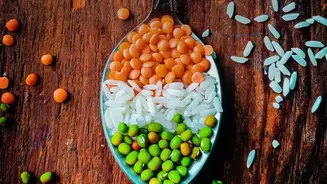
The Return of India's Ancient Grains
For generations, our grandparents’ kitchens were powered by the goodness of millets. Ragi, Jowar, and Bajra weren't trendy superfoods; they were simply food. These grains are naturally gluten-free, packed with fibre, and require less water to grow, making
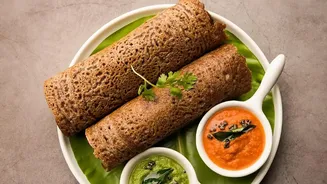
them as good for the planet as they are for you. Rich in essential minerals like iron, calcium, and magnesium, millets support everything from bone health to digestion. Their low glycemic index helps in managing blood sugar levels, while their high fibre content keeps you feeling full longer, aiding in weight management. As more people seek healthier and more sustainable food choices, these humble grains are rightfully reclaiming their place on the modern Indian dining table.
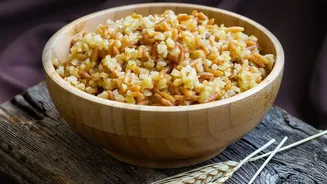
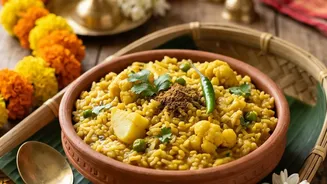
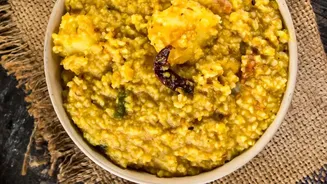
Recipe: Wholesome Millet Khichdi
This one-pot meal is the ultimate comfort food, packed with nutrition and easy to digest. This recipe uses foxtail millet, but you can use other varieties like barnyard millet as well. Ingredients: - 1/2 cup foxtail millet - 1/2 cup moong dal (split yellow lentils) - 1 cup mixed vegetables, chopped (carrots, peas, beans) - 1 small onion, chopped - 1 small tomato, chopped - 1 teaspoon ginger, grated - 1 teaspoon cumin seeds - 1/4 teaspoon turmeric powder - 2 to 3 cups water - Salt to taste - 1 tablespoon ghee Instructions: 1. Wash the millet and moong dal thoroughly and soak them together for at least 30 minutes. Drain before cooking. 2. Heat ghee in a pressure cooker. Add cumin seeds and let them splutter. Add the grated ginger and chopped onions and sauté until the onions turn translucent. 3. Add the chopped tomatoes, turmeric powder, and salt. Cook until the tomatoes soften. 4. Add the chopped vegetables and sauté for a couple of minutes. 5. Add the drained millet and dal mixture to the cooker. Stir for a minute before adding 2.5 to 3 cups of water. 6. Secure the lid and pressure cook on medium heat for 2 to 3 whistles. Let the pressure release naturally before opening. Fluff with a fork, add another dollop of ghee if desired, and serve hot.
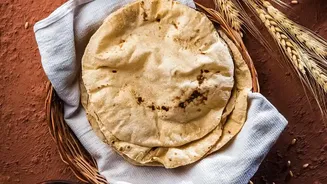
Recipe: Soft Jowar Roti (Bhakri)
Making soft Jowar roti, a staple in Maharashtra and Karnataka, can seem tricky, but the secret lies in using hot water and proper kneading. Jowar is a fantastic gluten-free alternative to wheat. Ingredients: - 1 cup Jowar (sorghum) flour - 1 cup hot water - A pinch of salt (optional) - Extra Jowar flour for dusting Instructions: 1. In a pan, bring one cup of water to a rolling boil. Add salt if using. 2. Reduce the heat to low and add the Jowar flour all at once. Mix it briefly with a spoon or spatula, then turn off the heat. Cover the pan and let the flour steam for 5-10 minutes. This step is crucial for soft rotis. 3. Transfer the mixture to a flat plate or large bowl. Once it's cool enough to handle, begin kneading. Knead the dough for a good 5-7 minutes using the heel of your palm until it becomes smooth and pliable. 4. Divide the dough into equal-sized balls. Dust a rolling surface with Jowar flour and flatten a ball of dough. 5. Gently roll it out using a rolling pin or pat it with your hands to form a round roti. Jowar rotis are thicker than wheat chapatis. 6. Cook on a hot tawa. Once you place the roti on the tawa, you can spread a little water on the top surface. Flip it after about 30 seconds. Cook the other side, then flip again and press gently with a cloth to help it puff up. Serve immediately with a dollop of ghee.
Bonus Recipe: Nutritious Ragi Mudde
A powerhouse of calcium, Ragi Mudde is a traditional dish from Karnataka made from finger millet flour. It’s a simple, healthy dish often eaten with spicy sambar or curry. Ingredients: - 1 cup Ragi (finger millet) flour - 2 cups water - 1/4 teaspoon salt - 1 teaspoon ghee or oil (optional) Instructions: 1. In a heavy-bottomed pan, bring the water to a rolling boil. Add salt and ghee if you are using them. 2. While the water is boiling, make a slurry by mixing 2 tablespoons of the ragi flour with 1/4 cup of cool water in a separate bowl. Ensure there are no lumps. 3. Pour this slurry into the boiling water, stirring continuously to prevent lumps from forming. Let this mixture boil for a minute. 4. Now, reduce the heat to low and add the remaining ragi flour to the pot. Do not stir. Cover the pan and let it cook for 3-4 minutes. 5. After a few minutes, use a sturdy wooden spoon or stick to mix everything vigorously. Continue to cook and mix on low heat for another 2-3 minutes until the mixture forms a single, smooth, glossy mass that pulls away from the sides of the pan. 6. Turn off the heat. Wet your hands slightly and shape the hot dough into round balls. Serve the Ragi Mudde immediately.