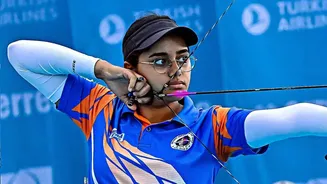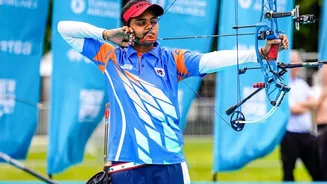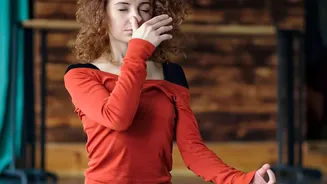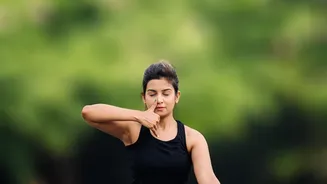




At first glance, the silent stillness of a yoga mat and the tense precision of an archery range seem worlds apart. Yet, these two ancient disciplines share a deep connection rooted in focus, form, and breath. So how does one enhance the other?
Building a Stable Foundation
Traditional
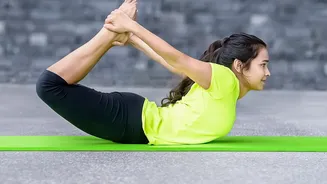
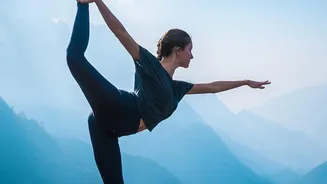
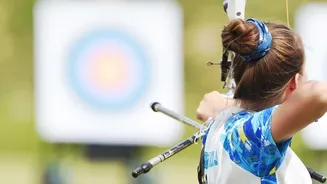
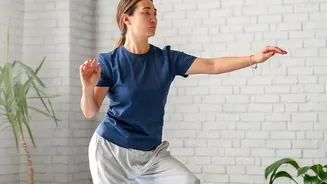
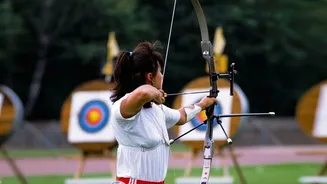
archery practice builds muscle memory through thousands of repetitions. An archer's stance must be solid, providing a stable platform for every shot. Any inconsistency in posture directly impacts where the arrow lands. Yoga offers a different, more holistic approach to building this stability. Poses like Warrior II and Mountain Pose strengthen the legs and, crucially, the core muscles that are foundational to a powerful and repeatable archery stance. By training the body to maintain alignment and balance, yoga creates a heightened sense of body awareness. This allows an archer to feel, rather than just think about, their form, making it easier to self-correct and maintain consistency under pressure.
The Power of a Controlled Breath
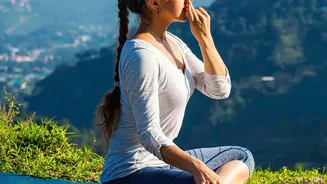
Every archer knows the feeling of a racing heart just before a critical shot. Uncontrolled breathing can cause subtle tremors that throw off aim. While archers intuitively try to manage their breath, yoga provides a systematic method for mastering it through 'pranayama', or breath control. Techniques like Nadi Shodhana (Alternate Nostril Breathing) are shown to calm the nervous system, lower the heart rate, and improve focus, making them ideal for precision sports. A slow, deliberate exhale just before the release helps stabilise the body and mind, turning the shot process into a form of moving meditation. Research has confirmed that structured breathing exercises lead to significant improvements in shooting performance and attention.
Mastering the Mental Game
Archery is often described as a mental sport. The biggest challenge is frequently quieting the mind to focus on the present moment and the target. Yoga provides powerful tools for this mental training. The yogic concept of 'drishti', or a soft, focused gaze, is a direct parallel to the archer's aiming process. In yoga, drishti is used to draw attention inward and quiet the mind, turning physical postures into a meditative practice. For an archer, this practice can cultivate the ability to block out distractions and prevent the mind from dwelling on a previous bad shot. This mental discipline, honed on the yoga mat, translates directly to the range, helping an archer achieve a state of calm focus known as the 'flow state'.
Enhancing Flexibility and Preventing Injury
The repetitive motion of drawing a bow places significant strain on the shoulders, back, and chest. Over time, this can lead to muscle imbalances and injuries that sideline an archer. While shooting practice builds strength, it doesn't always promote flexibility. Yoga excels here, offering stretches that specifically target and open up these areas. Poses that stretch the arms, hamstrings, and hip flexors are particularly beneficial. Even the 'Archer Pose' in yoga, or Akarna Dhanurasana, is designed to build arm strength while increasing hip mobility. This focus on flexibility not only helps in injury prevention but also contributes to a smoother, more fluid shooting form and supports faster recovery after training.