

Why Ragi is a Breakfast Powerhouse
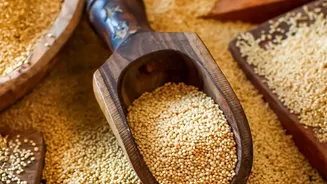
Ragi, also known as finger millet, has been a staple in Indian diets for generations, and for good reason. This humble grain is a nutritional powerhouse, making it an excellent choice for the first meal of the day. One of its most celebrated qualities
is its high calcium content, making it one of the best non-dairy sources for promoting bone and teeth strength. It is also packed with dietary fibre, which aids digestion, keeps you feeling full for longer, and can help in weight management. For those managing blood sugar, ragi’s low glycemic index means it releases sugar into the bloodstream slowly, preventing sudden spikes. Furthermore, it is naturally gluten-free and a rich source of iron and essential amino acids, helping to boost energy levels and overall well-being.
The Magic of Banana and Cinnamon
While ragi is incredibly healthy, its earthy flavour can be unfamiliar to those used to wheat or maida. This is where banana and cinnamon work their magic. Ripe bananas are nature's sweetener, adding moisture and a gentle, fruity sweetness that beautifully complements the ragi flour. Using mashed banana can reduce or even eliminate the need for refined sugar, while also contributing fibre and potassium. Cinnamon adds a warm, aromatic spice that evokes the feeling of classic breakfast pastries and comforting desserts. Together, they transform the pancake, masking the dense texture and robust taste of the millet and creating a flavour profile that is both familiar and inviting. The combination doesn't just taste good; it makes healthy eating feel like an indulgence rather than a compromise.
Tips for the Perfect Ragi Pancake
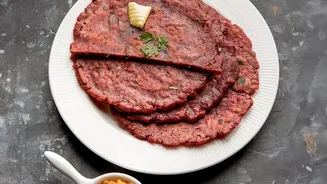
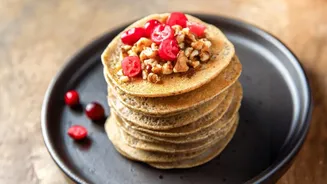
Making soft, fluffy ragi pancakes is easier than you think. The key is in the batter and the cooking process. Start by mashing a very ripe banana until it's smooth and liquidy. This will serve as your primary sweetener and binding agent. Some recipes combine ragi flour with a little whole wheat flour or rice flour to lighten the texture, but you can use 100% ragi flour for a gluten-free option. To create a smooth batter, whisk your dry ingredients (flour, a pinch of cinnamon, and perhaps a touch of baking powder for fluffiness) before adding the wet ingredients like the mashed banana and milk. The consistency should be pourable but not too thin; think of a thick-shake consistency. Let the batter rest for about five to ten minutes before cooking. Heat a non-stick pan over medium heat and grease it lightly. Pour small ladles of batter, as smaller pancakes are easier to flip. Cook until you see bubbles forming on the surface, then flip and cook the other side until golden brown. Because of ragi's dark colour, it can be hard to judge by sight alone, so trust the bubble indicator.
Beyond the Basics: Toppings and Variations
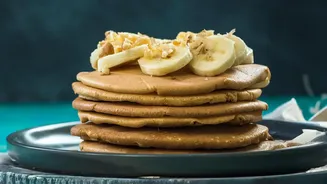
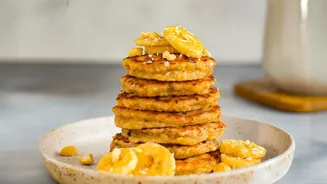
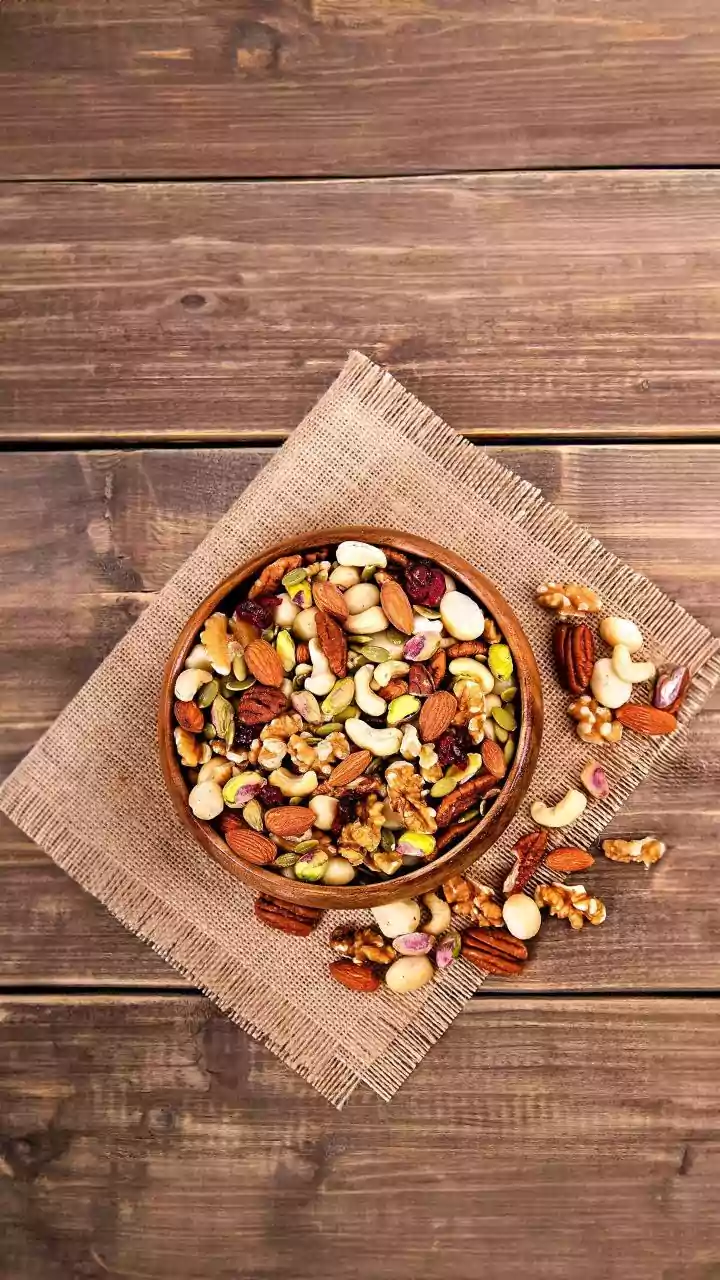
While banana and cinnamon are a classic pair, don't be afraid to experiment. For an even richer flavour, you can add a touch of vanilla extract to the batter. Instead of regular milk, try using almond milk or coconut milk for a different nutty or creamy note. When it comes to toppings, the options are endless. Freshly sliced bananas and an extra sprinkle of cinnamon are a great start. You can also add a drizzle of honey or maple syrup for extra sweetness. For a boost of protein and healthy fats, top your pancakes with a spoonful of nut butter, a handful of chopped walnuts or almonds, or some chia seeds. A side of fresh berries or a dollop of yogurt can also add a lovely contrast in flavour and texture, turning a simple breakfast into a truly satisfying meal.