
1. Beetroot: The Colourful Powerhouse
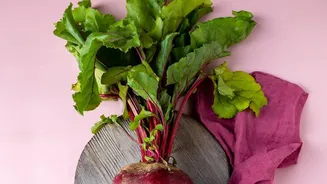
Often reduced to a simple salad ingredient, beetroot is a nutritional giant waiting to energize your meals. This vibrant vegetable is packed with essential nutrients, including folate, manganese, and potassium. Its most notable compounds are dietary nitrates,
which the body converts to nitric oxide. This molecule helps relax and dilate blood vessels, potentially supporting heart health and lowering blood pressure. Beetroots are also rich in antioxidants called betalains, which fight cellular damage and inflammation.
How to Make It Exciting
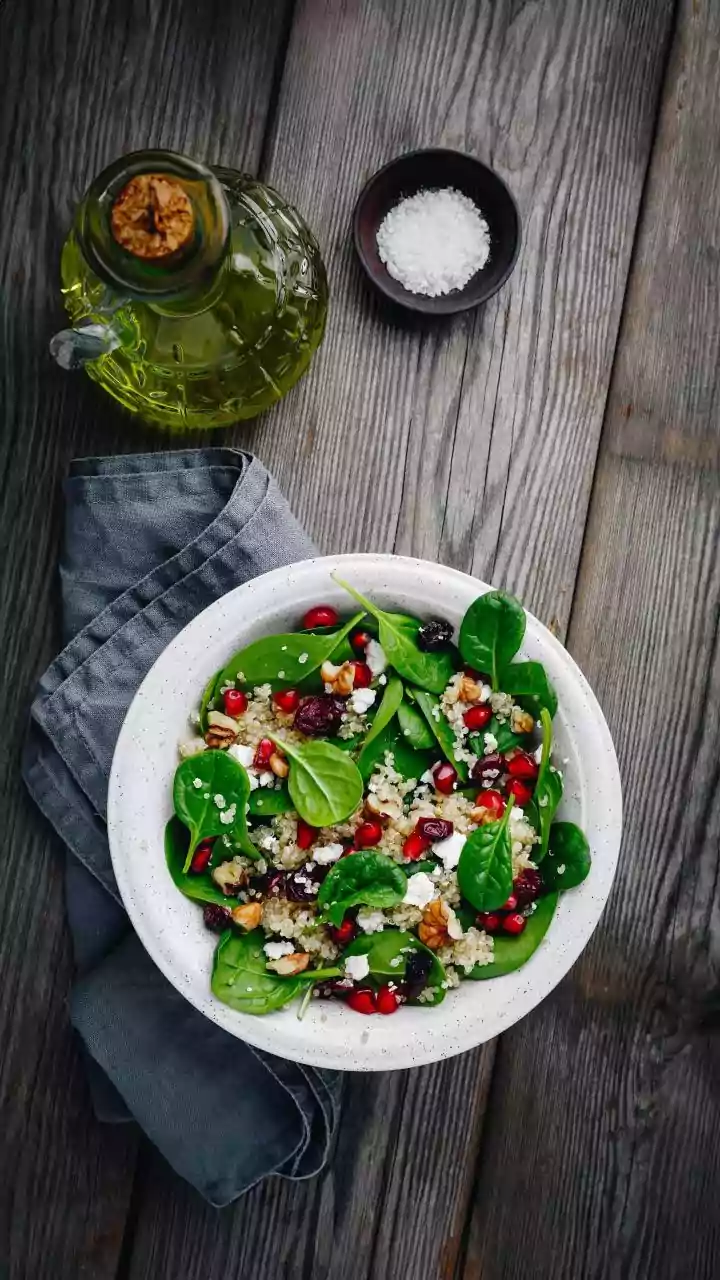
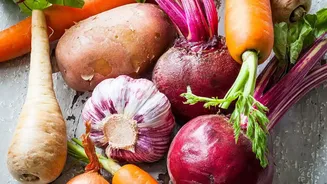
Forget boiling them into submission. For meal prep, try roasting beetroot cubes with a sprinkle of cumin and salt until they are tender and caramelized. They store beautifully in the fridge and can be tossed into salads, grain bowls, or served as a side dish throughout the week. You can also grate them raw for a crunchy, colourful slaw or blend them into a vibrant dip like a beetroot hummus. Their earthy sweetness pairs wonderfully with feta cheese, walnuts, and citrusy dressings.
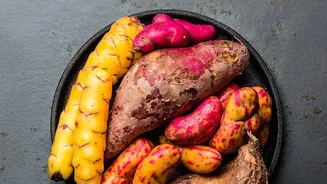
2. Sweet Potato: The Versatile Staple
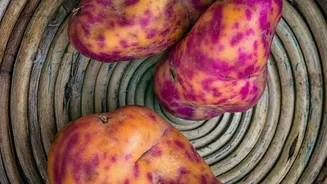
While already popular, the sheer versatility of the sweet potato (or shakarkandi) often goes underutilized in meal prep. They are an incredible source of beta-carotene, which the body converts into Vitamin A, crucial for vision and immune function. They are also high in fibre, which aids digestion and helps you feel fuller for longer, making them a great choice for balanced meals. Additionally, they provide a good dose of vitamin C and manganese.
How to Make It Exciting
Move beyond basic roasting. Cube sweet potatoes and toss them in a smoky fajita spice mix before baking for an instant taco filling. Mash cooked sweet potatoes with a bit of almond butter and cinnamon for a surprisingly delicious and filling breakfast bowl base. You can also bake them whole, and then stuff them with black beans, corn, and avocado for a quick lunch. Their ability to taste great both hot and cold makes them a meal prep champion.
3. Turnip: The Peppery Underdog
Often overlooked, the humble turnip (shalgam) offers a fantastic nutritional profile and a flavour that transforms with cooking. Turnips are a cruciferous vegetable, related to broccoli and kale. They are an excellent source of Vitamin C, which is vital for immune support and skin health. They also provide fibre, which promotes digestive regularity, and compounds called glucosinolates that have been studied for their anti-inflammatory and antioxidant properties.
How to Make It Exciting
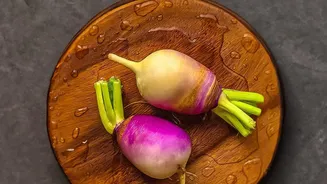
Raw turnips have a sharp, peppery bite perfect for shredding into salads for a radish-like crunch. When cooked, however, their flavour mellows and becomes sweet and earthy. Try dicing them and roasting them with herbs until tender, or add them to soups and stews where they absorb the surrounding flavours beautifully. For a low-carb alternative to potatoes, you can boil and mash them with a bit of butter and garlic.
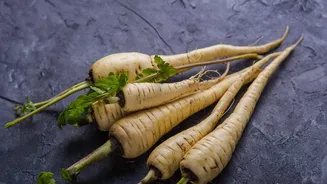
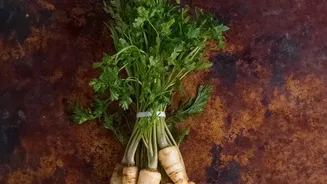
4. Parsnip: The Sweet and Nutty Carrot Cousin
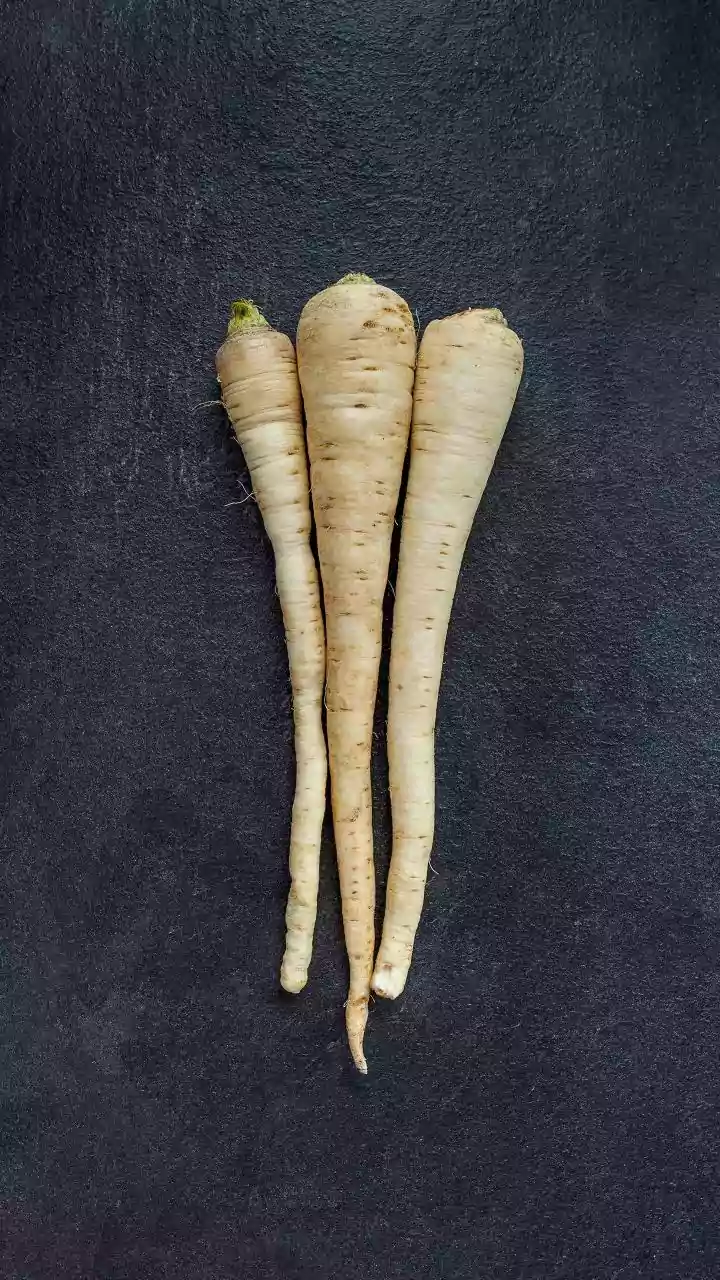
Looking like a pale carrot, the parsnip has a distinctly sweet, nutty flavour that deepens with cooking, especially roasting. They are a great source of soluble and insoluble fibre, essential for digestive health and stable blood sugar levels. Parsnips are also packed with Vitamin C, Vitamin K, and folate. Their high antioxidant content further adds to their appeal as a healthy addition to any meal plan.
How to Make It Exciting
Roasting is where parsnips truly shine; a drizzle of honey or maple syrup towards the end of cooking creates an irresistible caramelization. You can also puree them into a creamy, comforting soup or shred them to make savoury latkes or hash browns. They pair wonderfully with spices like nutmeg and thyme, and their sweetness provides a beautiful contrast in savoury dishes like curries or stews.
5. Celeriac: The Unsung Hero
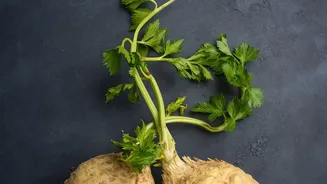
Don’t be intimidated by its gnarled, brown exterior; celeriac, or celery root, is a culinary gem. It has a crisp texture and a flavour reminiscent of celery and parsley with nutty undertones. It's a fantastic low-calorie, low-carb alternative to potatoes. Celeriac is an excellent source of Vitamin K, which is vital for bone health, and a good source of Vitamin C, phosphorus, and potassium.
How to Make It Exciting
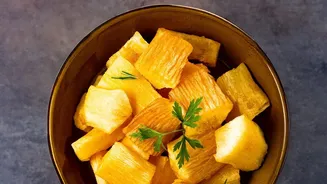
Once peeled, celeriac is incredibly versatile. You can cut it into sticks and roast them into delicious fries. It makes a wonderful mash that’s lighter than potatoes and has a more complex flavour. You can also dice it and add it to soups and stews, or grate it raw into a classic French remoulade with a creamy mustard dressing. Its unique flavour brings an unexpected sophistication to simple dishes.