





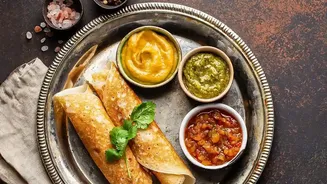
The Heartbeat of the Breakfast Plate
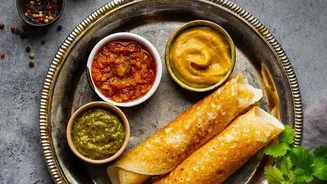
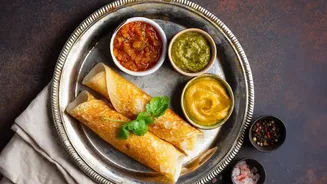
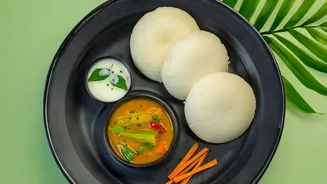
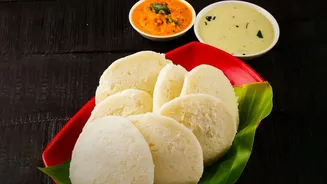
In the theatre of Indian street food, chutneys are not merely a side dish; they are a non-negotiable part of the main performance. Whether it's the fluffy idlis, crisp dosas, or savoury vadas, the accompanying chutneys provide a critical balance of flavours—tangy,
spicy, sweet, and fresh. These sauces are far more than just dips; they are designed to complement and elevate the taste and texture of the breakfast item, cutting through richness, adding moisture, and delivering a burst of flavour that defines the entire culinary experience. Each chutney has a unique personality, and a typical breakfast platter, especially in South India, often features a colourful trio, turning a simple meal into a feast for the senses.
The Unforgettable Trio: Key Breakfast Chutneys
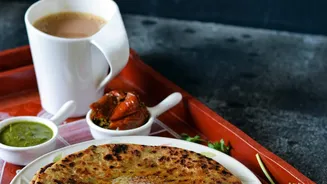
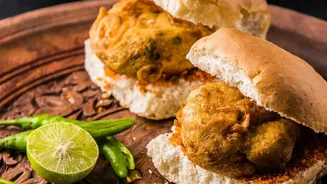
Three primary chutneys form the backbone of the street-breakfast experience. First is the creamy Coconut Chutney, a South Indian classic made from freshly grated coconut, green chillies, ginger, and sometimes roasted chana dal for a nutty flavour. Its mild, cooling taste is the perfect counterpoint to spicy sambar. Next is the vibrant Coriander-Mint Chutney, also known as 'hari chutney'. Made with fresh coriander, mint leaves, chillies, and lemon juice, its zesty, refreshing kick is essential for everything from dosas to sandwiches. Rounding out the trio is the sweet and tangy Tamarind Chutney ('imli chutney'), a darker, glossier sauce made from tamarind pulp, jaggery, and spices like cumin and ginger powder. This chutney adds a delightful sweet-sour note that balances the savouriness of snacks like samosas and kachoris.
The Current Update: A Nationwide Push for Food Safety
The "current update" for street food, including the chutneys we love, is a significant and unprecedented crackdown on food safety and hygiene across India. Consumers have long raised concerns about sanitation at street food stalls, and recent actions by the Food Safety and Standards Authority of India (FSSAI) and state regulators have put these issues in the spotlight. In September 2026, reports highlighted a nationwide campaign involving surprise inspections of both local eateries and large chains, with thousands of licenses being suspended or cancelled for violations. This government push aims to shed India's reputation as a "food hygiene laggard" by enforcing stricter standards. Data shows that for years, roughly one in five food samples tested by authorities failed to meet safety or quality standards, prompting this intensified regulatory action.
What This Means for Street Chutneys and Vendors
For street vendors who prepare fresh chutneys daily, this new focus on hygiene is critical. A recent study on street vendors in Pune revealed widespread noncompliance with FSSAI standards, particularly in areas like Maintenance and Sanitation (64.1% noncompliance) and Personal Hygiene (61.2% noncompliance). Specific issues noted were the failure to use potable water for washing ingredients and improper waste management—both of which directly impact the safety of fresh, uncooked items like chutneys. In response, FSSAI has been simplifying registration for street vendors and rolling out training programs to educate them on best practices, such as using clean water, proper handwashing, and protecting food from contamination. While some vendors may struggle to adapt, the goal is to build consumer trust and ensure that the food served is not just delicious but also safe.
Beyond the Classics: A World of Flavour
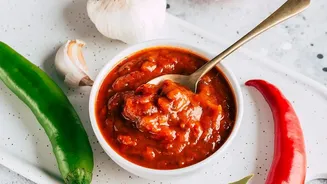
While the main trio dominates, India’s diverse culinary landscape offers a vast array of other breakfast chutneys. In Maharashtra, a nutty and savoury Peanut Chutney is popular. Andhra Pradesh and Telangana are famous for Gongura Chutney, made from sour sorrel leaves, which provides an intense, earthy punch. Fiery red chilli and garlic chutney is another staple that offers a powerful kick and has a longer shelf life. Many regions also have their own unique versions, such as tomato chutney, which is popular in Bengal, and even unconventional recipes like Bhang ki Chutney (using hemp seeds) in Uttarakhand, showcasing the incredible resourcefulness and creativity of Indian regional cuisines.