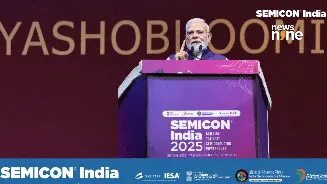







The Main Event in New Delhi
From September 17 to 19, the global semiconductor industry's eyes will be on New Delhi's Yashobhoomi convention centre. SEMICON India 2026, jointly organized by the India Semiconductor Mission (ISM) and the global industry association SEMI, is a major
gathering designed to accelerate India's position in the chip-making world. The event, themed “Silicon to Systems: Building the Ecosystem,” will feature over 500 exhibiting companies and six country pavilions, showcasing everything from design to manufacturing. The Prime Minister is also expected to hold a roundtable discussion with global CEOs, underscoring the government's direct involvement and commitment.
Why Chips Are a National Priority
Semiconductors, or chips, are the tiny electronic brains inside everything from smartphones and cars to medical equipment and military hardware. For decades, India has been a major consumer of electronics but has imported almost 90% of these crucial components, a dependency valued at an estimated $30 billion annually. The COVID-19 pandemic exposed the fragility of global supply chains, creating a worldwide chip shortage that brought many industries to a halt. For India, building a domestic semiconductor ecosystem is no longer just an economic goal; it's a matter of strategic autonomy and national security. Having a reliable, domestic supply of chips is now seen as essential for a self-reliant and technologically advanced nation.
India's Grand Plan: The ISM
The government's strategy is spearheaded by the India Semiconductor Mission (ISM). Initially launched with a significant financial outlay, the program provides substantial fiscal support and incentives to companies willing to set up manufacturing facilities in India. The goal is to create a complete ecosystem, covering not just fabrication (fabs) but also assembly, testing, marking, and packaging (ATMP), as well as chip design. The Prime Minister recently highlighted this progress, noting that production has already begun at three plants, with plans for five to eight more facilities in the coming years. This conference serves as a platform to attract further investment and collaboration to meet these ambitious targets.
The Global Context and Key Players
India is entering a fiercely competitive global race. Geopolitical tensions have made supply chain diversification a top priority for countries and companies worldwide. The SEMICON India 2026 conference reflects this, with participation from global giants and country pavilions from Japan, Korea, the Netherlands, and more. Executives from major corporations like Infineon and Applied Materials are expected to attend, signaling serious international interest. These discussions are happening as the global semiconductor market is projected to boom, driven heavily by demand for artificial intelligence, which could account for 30% of semiconductor revenue in 2026. India aims to position itself as a reliable and trusted partner in this expanding market.
The Road Ahead is Not Easy
Despite the momentum, building a semiconductor ecosystem from the ground up is a monumental task. A single advanced fabrication plant can cost billions of dollars and requires a unique combination of resources: uninterrupted power, vast amounts of clean water, and a highly skilled workforce. While India has a strong base of design engineers, training the specialised talent needed for manufacturing is a key focus, with the conference featuring dedicated workforce development programs. Furthermore, India faces stiff competition from established hubs in Taiwan, South Korea, and the United States, which are also pouring billions into their own domestic industries. Overcoming these infrastructure and talent challenges will be critical to the long-term success of India's mission.