


Beyond the well-trodden paths of Bodh Gaya and Nalanda lies a Bihar brimming with hidden treasures. For the curious traveller, the state offers ancient forts, mystical caves, and pristine natural beauty. Here are eight offbeat stops to discover.
Rohtasgarh Fort, Rohtas
Perched
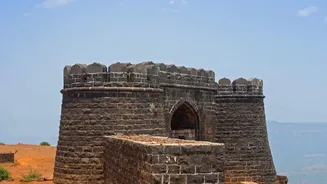
atop a 1,500-foot-high plateau in the Kaimur Hills, Rohtasgarh Fort is a colossal and imposing structure with a history stretching back centuries. Once considered invincible, this sprawling fort has been a seat of power for everyone from Sher Shah Suri to the Mughal general Raja Man Singh. Its grand gates, ruined palaces, temples, and mosques are spread across a vast area, making it a dream for trekkers and history buffs. The climb up its 2,000 limestone steps is strenuous, but the panoramic views and the sheer scale of the ancient architecture are a worthy reward.
Barabar Caves, Jehanabad
Step into India's oldest surviving rock-cut caves, dating back to the Mauryan period in the 3rd century BCE. Carved from a monolithic granite hill, these caves were originally dedicated by Emperor Ashoka to the Ajivika sect. The most remarkable feature is the 'Mauryan polish'—the interior walls are so perfectly polished they resemble glass, a finish that has endured for over 2,200 years. The unique acoustics of the caves, particularly the Sudama and Lomas Rishi caves, create a haunting and powerful echo. These caves are so distinctive they inspired the 'Marabar Caves' in E.M. Forster's novel 'A Passage to India'.
Valmiki Tiger Reserve, West Champaran
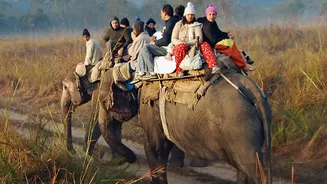
As Bihar's only tiger reserve, Valmiki offers a true escape into the wild. Nestled in the Himalayan Terai forests at the state's northern tip, it borders Nepal's Chitwan National Park. Spanning nearly 900 square kilometres, its landscape of sal forests, grasslands, and the Gandak River is home to tigers, leopards, sloth bears, and over 250 bird species. The remoteness of the reserve makes it an offbeat destination, perfect for jungle safaris, boat rides on the river, and visiting the tranquil Valmiki Ashram.
Kakolat Falls, Nawada
A refreshing natural spectacle, Kakolat Falls cascades from a height of about 160 feet into a cool, clear pool below. Surrounded by lush greenery, it’s a popular local picnic spot, especially in the summer, but remains largely off the mainstream tourist circuit. According to mythology, the Pandavas visited the waterfall during their exile, liberating a cursed king. Recent developments have improved accessibility, making it easier for visitors to enjoy a swim in the natural reservoir at its base.
Maner Sharif, Patna
Just 30 km from Patna, Maner Sharif is a serene Sufi shrine that offers a beautiful glimpse into Indo-Islamic architecture. It holds the tombs of Sufi saints Makhdum Yahya Maneri and Makhdum Shah Daulat. The Chhoti Dargah, built in 1616, is particularly stunning, with a massive dome, intricate carvings, and ceilings inscribed with passages from the Quran. Often overlooked by tourists heading to Patna's more famous sites, Maner Sharif is a peaceful sanctuary of spiritual and historical significance.
Kanwar Lake Bird Sanctuary , Begusarai
Recognised as Bihar’s first Ramsar site , Kanwar Lake is Asia's largest freshwater oxbow lake . Formed by the meandering of the Burhi Gandak river , this vast wetland is a crucial stopover for migratory birds on the Central Asian Flyway . It hosts a significant number of bird species , including critically endangered vultures . While the lake faces ecological challenges like encroachment and water management issues , it remains a vital and beautiful habitat for birdwatchers and nature lovers seeking a quiet escape .
Griddhakuta Peak (Vulture's Peak) , Rajgir
While Rajgir is a major pilgrimage centre , Griddhakuta Peak offers a more contemplative and less - crowded experience . This was one of the Buddha's favourite retreat spots , where he delivered many important sermons , including those found in the Lotus Sutra . The peak gets its name from its shape , resembling a sitting vulture . The journey to the top , either by a winding path or a chairlift , offers panoramic views of the surrounding hills and the nearby Vishwa Shanti Stupa , providing a deep sense of peace and history .
Tomb of Sher Shah Suri , Sasaram
Often called the 'second Taj Mahal of India' , this magnificent mausoleum is a masterpiece of Indo - Islamic architecture . Built of red sandstone , the tomb stands at a height of $122$ feet in the middle of a large artificial lake . Completed in $1545$ , it is the resting place of Emperor Sher Shah Suri , the founder of the Sur Empire and the builder of any Grand Trunk Road . While Sasaram is historically significant , the tomb itself is often bypassed by tourists , making it a grand yet surprisingly uncrowded monument to explore .