





The Unshakeable Grip of Paddy
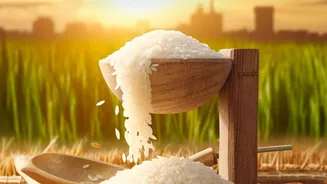
Paddy, or rice, is not just a crop in Punjab; it's an institution. Its dominance is rooted in the Green Revolution, which transformed the state into India's breadbasket. For farmers, the choice is simple: paddy offers unmatched security. It comes with
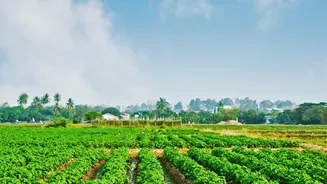
an assured Minimum Support Price (MSP) and guaranteed procurement by government agencies. This creates a predictable and stable income, a critical factor for any farmer. The entire ecosystem, from mandi networks to labour availability and free electricity for irrigation, is built around the paddy-wheat cycle. However, this reliability comes at a staggering environmental cost. Paddy is a water-intensive crop, consuming vast amounts of groundwater. Today, a majority of Punjab's groundwater blocks are over-exploited, with the water table depleting at an alarming rate of about one meter per year in many areas. The practice of burning paddy stubble post-harvest to quickly prepare fields for wheat is also a primary cause of severe air pollution across North India.
Cotton: A Less Thirsty Alternative
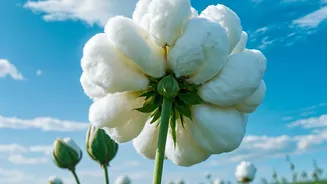
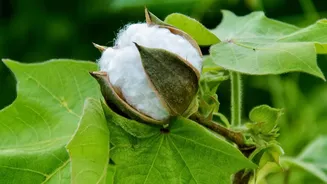
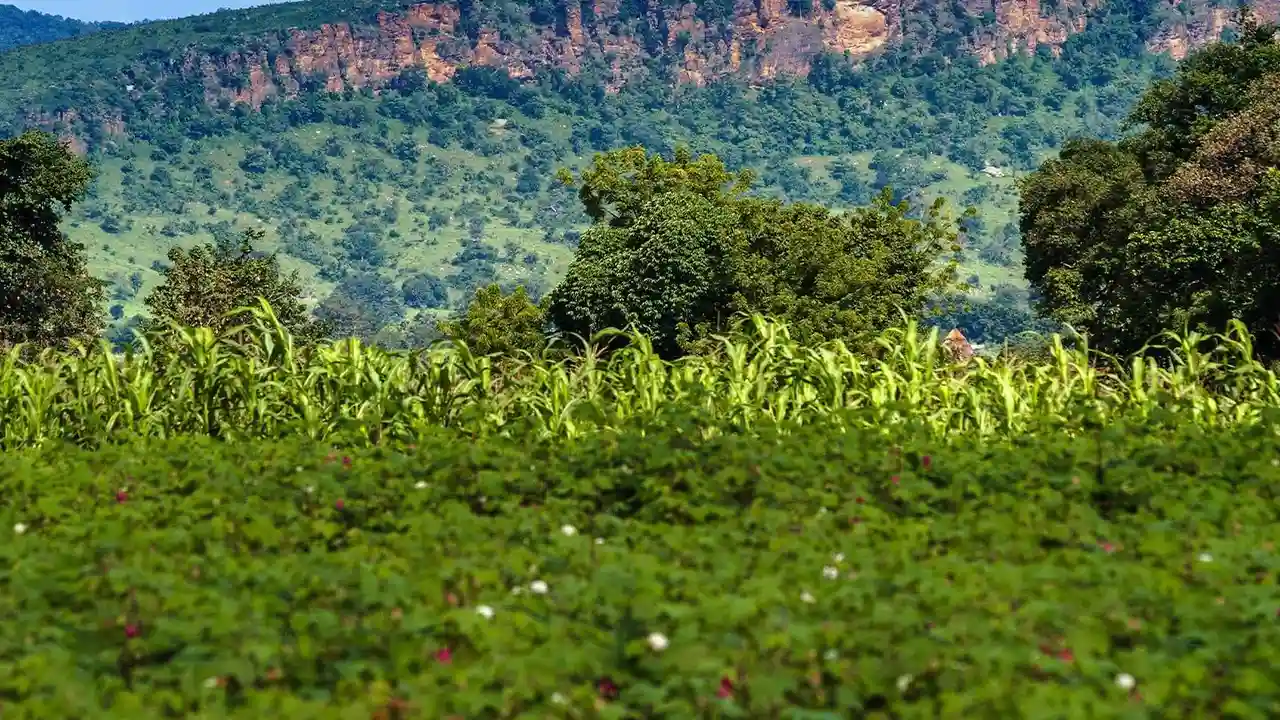
Cotton presents itself as a traditional and logical alternative to paddy, especially in the semi-arid southern districts of the state. Historically, it was a major crop in the region before the paddy-wheat cycle took over. The most significant advantage of cotton is its lower water requirement compared to paddy, making it a more sustainable choice for the water-stressed state. From a policy perspective, encouraging cotton cultivation aligns perfectly with the government's crop diversification goals aimed at breaking the destructive monoculture. The government has attempted to incentivise this shift, seeing cotton as a key pillar in the strategy to preserve Punjab's long-term agricultural viability. However, the path to cotton revival is fraught with challenges.
The Economic Calculation for Farmers
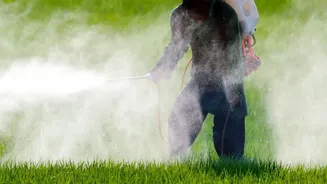
For a farmer, the decision to switch crops boils down to profitability and risk. While the MSP for cotton has seen significant hikes, it doesn't always translate to guaranteed income. Unlike paddy, where government procurement is extensive, cotton farmers are often more exposed to private market fluctuations, where prices can dip below the MSP. The economics are further complicated by cotton's vulnerability. The crop is highly susceptible to pest attacks, particularly from whitefly and pink bollworm, which have caused massive crop losses in recent years. These pest outbreaks lead to increased expenditure on pesticides and unpredictable yields, eroding farmer confidence. In contrast, the paddy system, with its subsidies and assured purchase, remains the safer economic bet for many, even if the net profit margins are debated.
Policy Push Meets On-the-Ground Reality
The Punjab government is actively promoting diversification away from paddy, not just to cotton but also to crops like maize. These initiatives often include financial incentives for farmers who make the switch. However, the reality is that the area under cotton has shrunk dramatically, hitting record lows. Farmers cite a trust deficit, born from consecutive seasons of poor returns due to pest attacks and weather-related disruptions like unseasonal rains. The infrastructure and market linkages for alternative crops are simply not as robust as the well-oiled machine of the paddy procurement system. Until diversification offers a level of economic security comparable to paddy, a large-scale shift remains a distant goal. Farmers are hesitant to abandon a crop with guaranteed returns for one that presents significant market and agronomic risks.